Welcome to KAMA Auto
Why Kenya Is Becoming a Priority Market for Right-Hand Drive Electric Mini Trucks in 2026
Why Kenya Is Becoming a Priority Market for Right-Hand Drive Electric Mini Trucks in 2026
Kenya is becoming one of the most important markets to watch for right-hand drive electric commercial vehicles in East Africa. For distributors, project buyers, and fleet-focused importers, the opportunity is no longer only about passenger EVs. It is increasingly about practical electric vehicles that can support cargo delivery, urban distribution, business transport, and daily commercial operations.
For companies looking at the Kenya market in 2026, the real business question is not simply whether electric mobility is growing. The more important question is which vehicle types are best positioned for real commercial use. In many cases, the answer starts with right-hand drive electric mini trucks.
These vehicles are compact, practical, and easier to deploy in urban and semi-urban logistics scenarios than larger trucks. They are also a more natural fit for distributors who want to build an early product portfolio in electric commercial transport without starting from high-cost heavy-duty platforms.
Why Kenya Matters for RHD Electric Commercial Vehicles
Kenya is attracting attention because the market has a combination of policy momentum, growing EV acceptance, and operational suitability for right-hand drive vehicles. For exporters and distributors, this creates a better content and sales opportunity than many markets where EV discussion is still too general.
In Kenya, right-hand drive configuration is not just a preference. It is part of normal vehicle market logic. That means buyers, dealers, and project partners are more likely to search for solutions that are already aligned with local road use and import expectations.
For electric commercial vehicle suppliers, this is important because it changes how products should be positioned. Instead of publishing broad EV messaging, it is better to focus on business-use scenarios such as:
electric mini truck for urban delivery in Kenya
right-hand drive electric cargo truck Kenya
electric delivery vehicle for Nairobi logistics
electric commercial vehicle for distributor cooperation in East Africa
That kind of positioning is more useful for real buyers and stronger for search intent.
Why Electric Mini Trucks Are a Good Entry Product
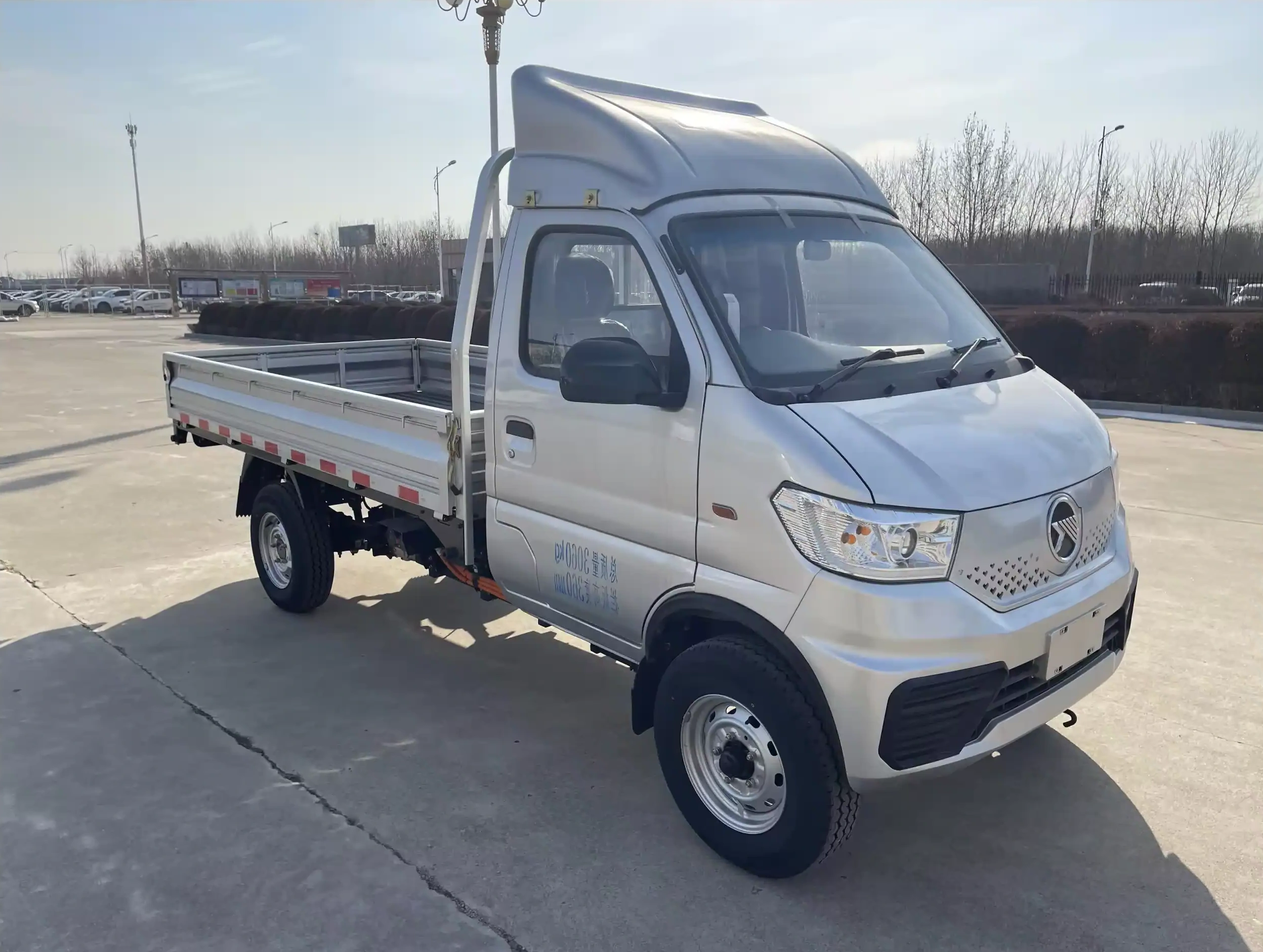
An electric mini truck is one of the most commercially flexible EV categories for developing distribution markets. It is small enough for dense urban areas, but large enough for real cargo work. For local distributors, this makes it easier to introduce to customers who care about cost control, route practicality, and business use rather than technology branding alone.
A right-hand drive electric mini truck can be used in many practical scenarios, including:
1. Urban Delivery
Mini trucks are well suited for short-distance city transport, daily goods distribution, retail supply, beverage delivery, and wholesale market operations. Their compact dimensions make them easier to drive and park in busy streets while still offering practical payload capacity.
2. Last-Mile Cargo Operations
For businesses serving local shops, warehouses, pharmacies, or parcel routes, a compact electric cargo vehicle can be a useful solution. In stop-and-go traffic, electric drivetrains also offer a strong operational logic compared with traditional fuel vehicles on fixed routes.
3. Small Business Fleet Use
Electric mini trucks are also suitable for local contractors, maintenance teams, agricultural supply transport, and company-owned service fleets. For buyers entering EV adoption step by step, this category is easier to test than a large fleet conversion.
4. Institutional and Industrial Support Transport
Factories, industrial parks, universities, campuses, and municipal departments often need compact utility vehicles for light cargo movement, internal transport, or service operations. This creates an additional business case beyond public-road delivery alone.
What Distributors Should Evaluate Before Importing to Kenya
A serious distributor article should not only talk about market opportunity. It should also answer procurement questions. Buyers are more likely to trust a supplier that understands vehicle application, compliance basics, and long-term support.
Here are the key points distributors should evaluate before importing a right-hand drive electric mini truck to Kenya:
1. Right-Hand Drive Configuration
This is the first filter. For the Kenya market, the steering configuration must match local operating and import expectations. A supplier that already offers factory-built RHD vehicles is in a much stronger position than one trying to adapt products later.
2. Payload and Route Matching
Not every electric truck is suitable for the same job. Buyers should match the vehicle with the real route profile: daily distance, cargo weight, road condition, stop frequency, and charging window. An electric mini truck for urban goods delivery is different from a larger truck intended for longer-distance or heavier-duty work.
3. Battery and Charging Practicality
For commercial users, battery size alone is not enough. What matters is whether the vehicle can complete a realistic working day under actual load conditions. Charging compatibility, downtime planning, and route predictability all matter more than a generic brochure number.
4. Chassis Strength and Cargo Body Design
In commercial transport, structural durability matters. Buyers should check suspension, axle strength, chassis layout, and cargo-body suitability. Depending on the end use, flatbed, box body, refrigerated body, or customized cargo solutions may be more appropriate.
5. Spare Parts and After-Sales Support
Commercial customers do not only buy a vehicle. They buy uptime. That is why spare parts supply, technical support, and service planning are essential. A distributor needs confidence that the manufacturer can support long-term operation, not only initial shipment.
6. Product Range for Different Customers
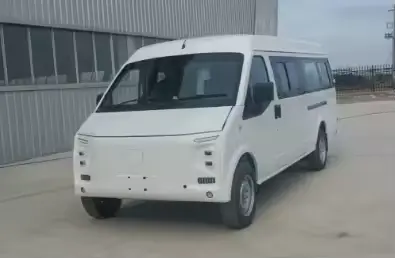
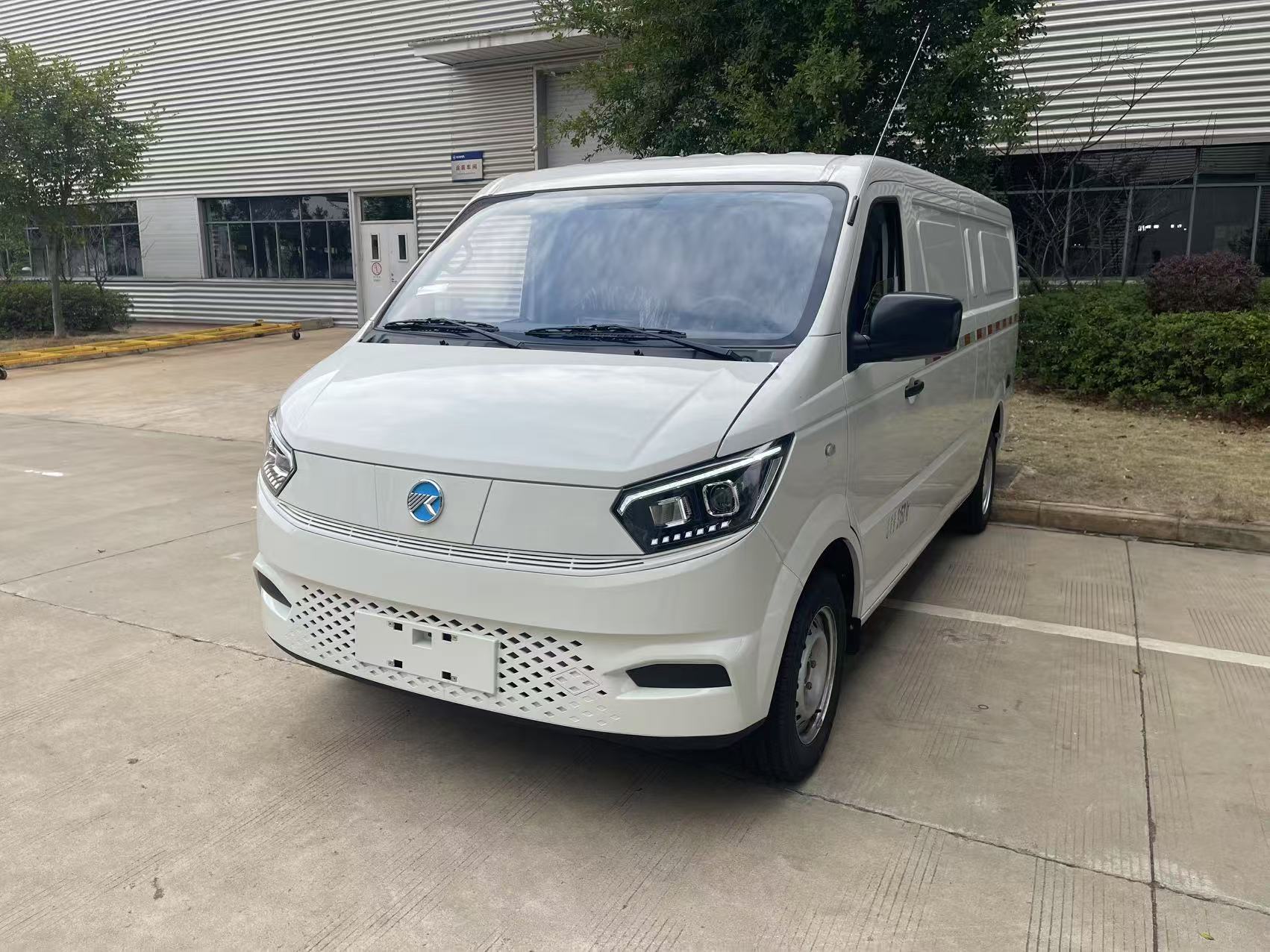
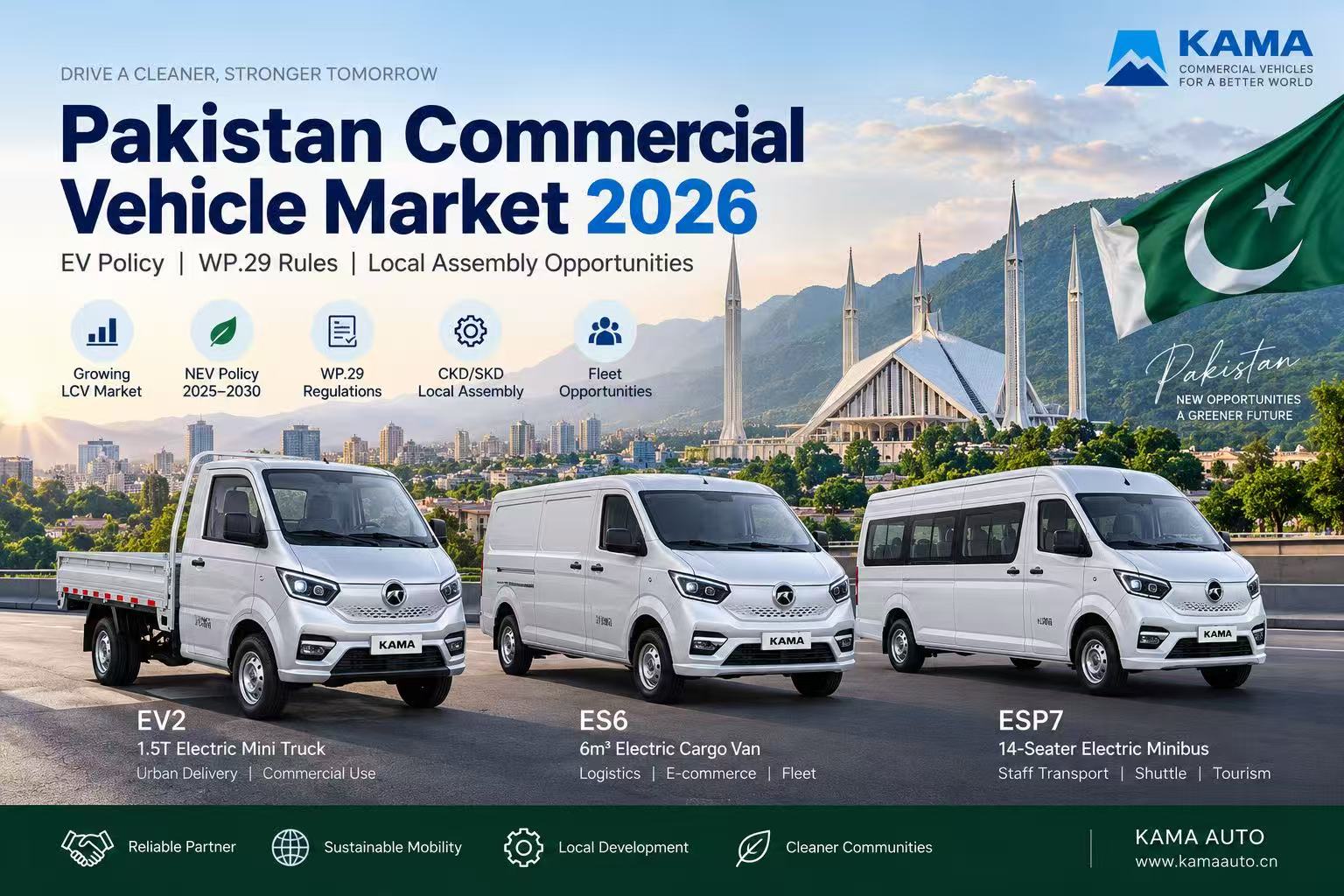
A distributor rarely wins by offering only one model. It is better to work with a manufacturer that can support multiple commercial EV categories, such as electric mini trucks, electric cargo vans, electric light trucks, and electric minibuses. This makes it easier to serve different customers under one market strategy.
Why Manufacturer Capability Matters More Than Trading Only
In a market like Kenya, the strongest partners are usually those that can offer more than simple vehicle reselling. For serious distributors, factory capability matters because it affects customization, parts supply, specification control, and long-term cooperation.
A manufacturer-led supplier can usually support:
right-hand drive factory production
cargo box customization
branding and logo support
seat layout or body adaptation
spare parts planning
CKD or SKD cooperation for long-term market development
This is especially important for distributors who want to build a differentiated local business instead of competing only on price.
Best Product Positioning Strategy for the Kenya Market
For SEO and commercial conversion, it is better to position products by use case.
If the customer focuses on daily goods delivery, promote a right-hand drive electric mini truck for urban delivery in Kenya.
If the customer focuses on enclosed cargo such as parcel, retail, or pharmacy distribution, promote an electric delivery van for Kenya business fleets.
If the customer focuses on shuttle transport, school operations, hotel transfer, or staff mobility, promote an electric minibus for commercial passenger transport in East Africa.
If the customer is a distributor, the message should shift from vehicle features alone to business cooperation advantages, including model range, customization, parts support, and stable export capability.
Conclusion
Kenya is becoming a more important market for right-hand drive electric commercial vehicles because the business environment is moving in a direction that supports structured EV growth. For distributors and project buyers, this creates a practical opportunity to introduce commercial EV products that match local road conditions, operating habits, and fleet needs.
Among the available categories, right-hand drive electric mini trucks are one of the most practical starting points. They combine commercial flexibility, manageable operating scope, and strong relevance for urban logistics, cargo transport, and small fleet deployment.
For buyers entering the Kenya market, the best strategy is not to focus on generic EV promotion. It is to choose the right commercial vehicle category, match the product to real business scenarios, and work with a manufacturer that can support customization, spare parts, and long-term distributor development.
If you are looking for right-hand drive electric mini trucks, electric cargo vans, electric minibuses, or customized commercial vehicle solutions for Kenya and East Africa, KAMA Auto can support your market development with practical export-ready models and factory-based cooperation.