Welcome to KAMA Auto
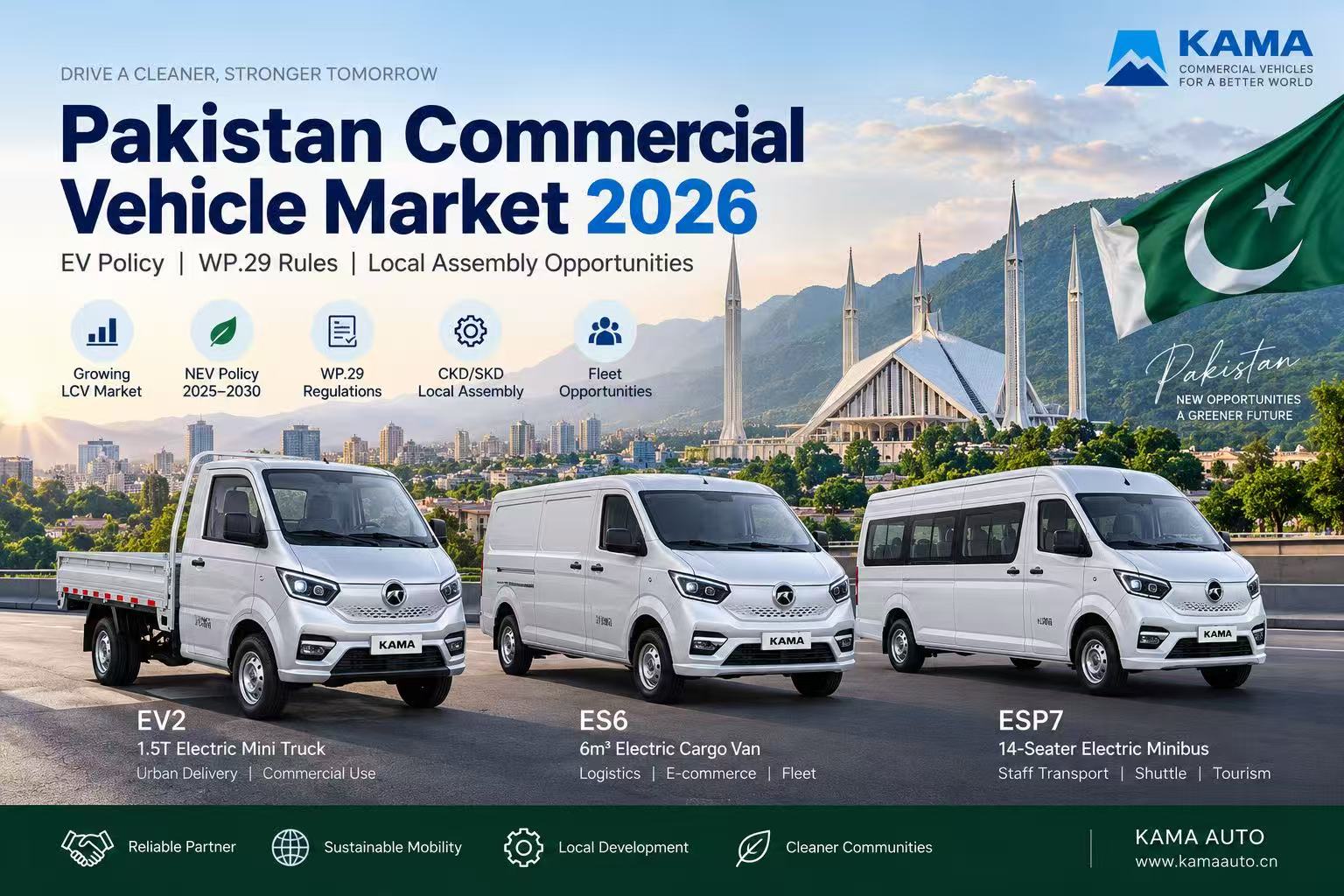
Pakistan Commercial Vehicle Market 2026: EV Policy, WP.29 & Local Assembly
Pakistan Commercial Vehicle Market 2026: EV Policy, WP.29 Rules and Local Assembly Opportunities
Pakistan’s commercial vehicle market is entering a period of structural change.
For years, the market has depended heavily on conventional gasoline and diesel vehicles for urban delivery, agriculture, construction, passenger transport and regional logistics. In 2026, those applications remain important, but the environment around them is changing.
Light commercial vehicle demand is recovering, new Chinese automotive brands are becoming more visible, the government is implementing its New Energy Vehicle Policy 2025–30, and local manufacturing is becoming increasingly important to the country’s automotive strategy.
For commercial vehicle distributors, fleet operators and potential assembly partners, Pakistan should therefore be viewed as more than a market for individual vehicle imports.
The larger opportunity may involve a combination of:
light commercial vehicles
electric commercial vehicles
fleet procurement
right-hand-drive platforms
vehicle compliance
spare parts and after-sales
SKD assembly
CKD localization
The key question for 2026 is no longer simply:
Which truck can be imported into Pakistan?
It is:
Which commercial vehicle platform can support a sustainable business in Pakistan over the next several years?
1. Pakistan’s Light Commercial Vehicle Market Is Growing Again
Recent official data provides an important starting point.
According to the Pakistan Economic Survey 2025–26, production of locally manufactured light commercial vehicles, jeeps and pickups increased by 24%, while sales increased by 34.9% compared with the previous period.
The same report notes that market expansion was supported partly by new entrants and the growing presence of Chinese automotive manufacturers. 巴基斯坦财政部
This is important for international commercial vehicle companies.
It indicates that demand is not limited to passenger cars.
Practical working vehicles remain relevant across sectors such as:
logistics
wholesale distribution
agriculture
construction
retail delivery
service fleets
passenger transportation
SME operations
For distributors, the light commercial vehicle segment can therefore provide a more practical entry point than competing directly in the mainstream passenger-car market.
2. Commercial Vehicle Demand Is Broader Than One Product Category
Pakistan is not a one-vehicle market.
Commercial users have different requirements depending on cargo type, road conditions, route length and operating environment.
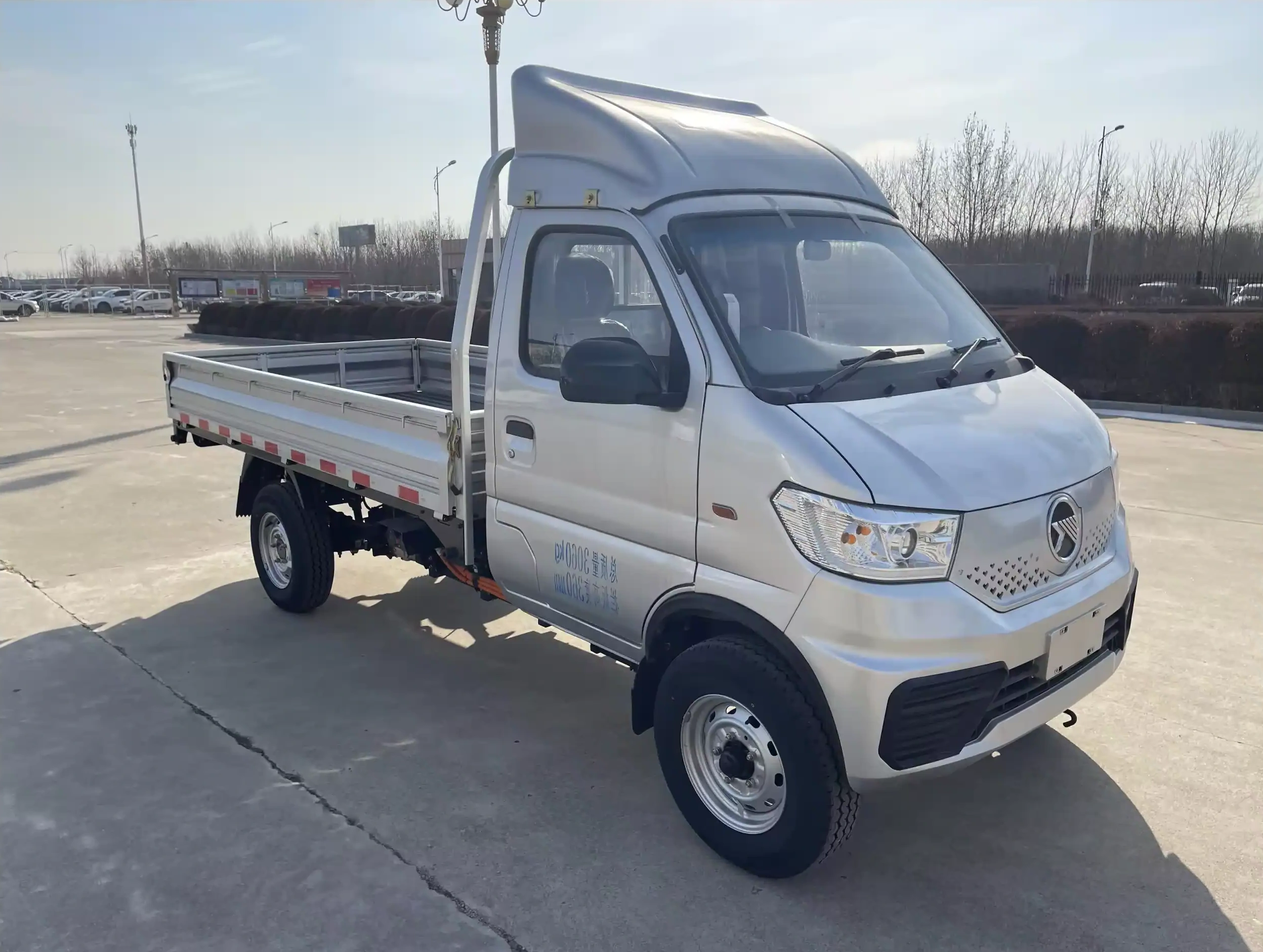
Mini Trucks
Mini trucks can serve:
urban delivery
agricultural produce transport
retail distribution
building-material delivery
small business logistics
Compact dimensions can be useful in dense urban areas where a full-size truck may be unnecessary.
Light Trucks
A light commercial truck becomes more relevant when businesses need:
higher payload
longer cargo bodies
box bodies
refrigerated bodies
industrial transportation
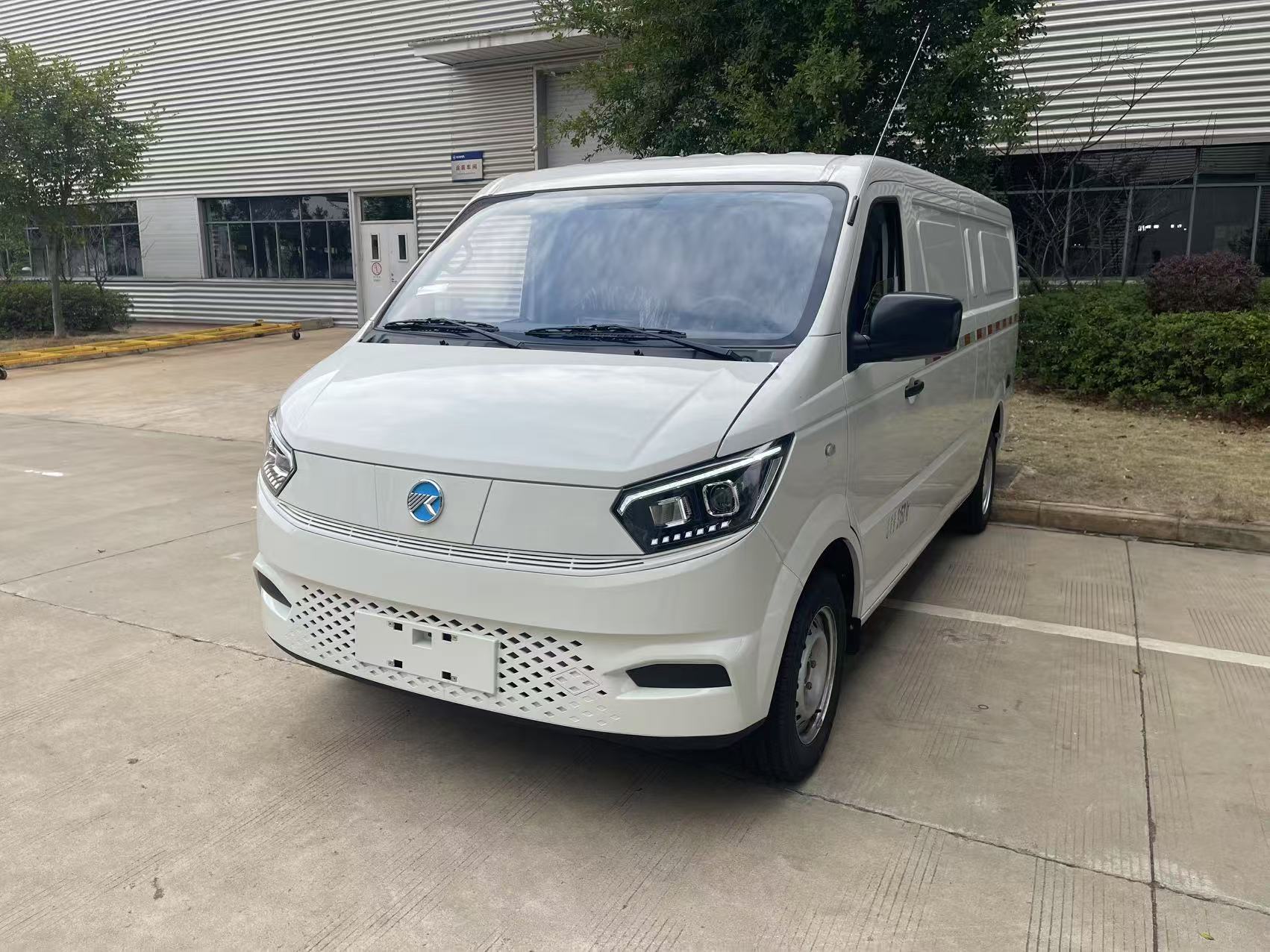
Cargo Vans
A commercial cargo van may be more suitable for:
parcels
e-commerce
pharmaceuticals
service equipment
spare parts
valuable goods
because an enclosed body protects cargo from weather and theft.
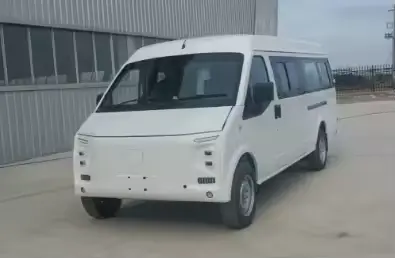
Passenger Vans and Minibuses
Passenger commercial vehicles can support:
employee transport
school transport
hotel shuttle
tourism
commercial passenger operations
For a distributor, the strongest strategy is usually not to depend on one model.
It is to understand which vehicle categories solve real local business problems.
3. Pakistan’s NEV Policy Changes the Long-Term Direction
Pakistan officially introduced the New Energy Vehicle Policy 2025–30 with a target for new-energy vehicles to represent approximately 30% of new vehicle sales by 2030. 政府信息发布局
The policy covers more than passenger cars.
Official policy material includes adoption targets for:
two-wheelers
three-wheelers
four-wheelers
buses and vans
trucks and light commercial vehicles
It also emphasizes:
local manufacturing
technology transfer
charging infrastructure
industrial cooperation
automotive investment
component localization
This makes Pakistan particularly interesting from a commercial vehicle perspective.
The market is not simply moving from diesel to electric overnight.
Instead, Pakistan is likely to develop into a multi-powertrain commercial vehicle market.
That means distributors may need to manage:
Gasoline/Diesel/Electric/possibly other new-energy technologies depending on application.
4. Electric Commercial Vehicles Need a Different Strategy From Passenger EVs
An electric passenger car and an electric commercial vehicle are purchased for different reasons.
A private buyer may prioritize:
design
comfort
acceleration
brand
maximum range
A commercial vehicle buyer is more likely to prioritize:
payload
cargo volume
daily mileage
charging time
uptime
spare parts
cost per kilometre
serviceability
This makes route analysis especially important.
For example, an electric delivery vehicle operating on a fixed urban route may be commercially suitable even if its range is lower than a passenger EV.
The operator already knows approximately:
how far the vehicle travels each day
how much cargo it carries
where it parks overnight
how long it can charge
This predictability makes commercial electrification easier to plan.
5. Electric Mini Trucks Could Fit Urban and SME Logistics
One category worth watching is the electric mini truck.
Search interest around electric mini trucks has increased as businesses and fleet operators look for smaller commercial EVs for city logistics and local distribution. Third-party Google Trends analysis shows meaningful growth in this category through 2025 and into 2026. https://www.kamaauto.cn/
For Pakistan, an electric mini truck could potentially serve:
local retail delivery
agricultural distribution
industrial parks
hardware delivery
e-commerce
municipal services
small-business transportation
But the correct vehicle cannot be selected only by battery range.
Fleet buyers should check:
Payload
Can the truck carry the actual working load?
Cargo Body
Is a flatbed, box body or specialized body required?
Route
How far does the vehicle travel every day?
Charging
Can the vehicle return to a fixed location for charging?
Road Conditions
Will it operate mainly in urban areas or on mixed roads?
A 1–1.5 ton electric mini truck may be ideal for one business and completely unsuitable for another.
6. Electric Cargo Vans Address a Different Type of Delivery
Electric vans are another increasingly important search category.
Google Trends summaries indicate that interest in electric delivery vans and electric cargo vans generally increased through late 2025 and early 2026, with delivery-oriented queries often showing stronger interest than generic electric commercial van terms.
That distinction matters.
A mini truck and cargo van are not interchangeable.
A commercial electric cargo van may be better when the customer transports:
parcels
pharmaceuticals
electronics
packaged food
tools
spare parts
service equipment
because cargo protection and enclosed volume are more important than an open loading area.
For a fleet buyer, the correct question is not:
Which vehicle has the larger battery?
It is:
Which vehicle architecture matches the cargo?
7. Electric Light Trucks May Be Relevant for Structured Fleets
For larger logistics companies, an electric light truck can support higher-load applications.
Potential scenarios include:
supermarket distribution
warehouse-to-store logistics
industrial supply
municipal operations
box-body delivery
refrigerated transport
However, larger electric trucks require more careful energy planning.
As payload increases, fleet buyers should evaluate:
loaded energy consumption
battery capacity
vehicle curb weight
charging time
route gradient
air-conditioning load
refrigeration load if applicable
Simply installing the largest available battery does not automatically create the best fleet vehicle.
More battery capacity also means more:
weight
cost
charging demand
The objective should be right-sizing the vehicle.
8. Pakistan Is a Right-Hand-Drive Market
Pakistan drives on the left side of the road.
For commercial vehicle procurement, this means right-hand-drive configuration is an important requirement.
Before selecting an overseas vehicle, an importer should confirm:
steering position
dashboard configuration
mirror arrangement
lighting
wiper configuration
local registration requirements
This is particularly important for imported commercial EVs.
A vehicle that is technically suitable in terms of payload and range may still be unsuitable if the steering configuration does not match local requirements.
RHD availability should therefore be checked at the beginning of the sourcing process rather than after a model has already been selected.
9. Vehicle Safety Regulation Is Becoming More Important
Another major change in Pakistan’s automotive market is regulatory compliance.
The Pakistan Economic Survey 2025–26 states that OEMs are required to comply with selected WP.29 vehicle safety regulations, while a broader group of regulations was scheduled to become mandatory from July 2026. 巴基斯坦财政部
For commercial vehicle importers, this means compliance should become part of the procurement process.
Buyers should confirm the requirements applicable to the exact:
vehicle category
gross vehicle weight
powertrain
braking system
lighting system
electrical system
safety equipment
certification pathway
This is especially important when considering electric vehicles.
Importers should avoid assuming that a vehicle certified for one market can automatically be registered in Pakistan.
The correct sequence is:
Vehicle Category
↓
Local Regulatory Requirement
↓
Available Technical Documentation
↓
Required Testing / Approval
↓
Final Vehicle Configuration
↓
Order Confirmation
Certification should be checked before production—not after the vehicles arrive.
10. PAPS 2026 Reinforces the Importance of Localization
The Pakistan Auto Parts Show 2026 was held in Lahore from September 18 to 20.
The event brought together automotive companies, component suppliers, technology providers and industrial stakeholders, while Pakistan’s Ministry of Industries and Production also highlighted SME and local-industry participation around the show. 工业与生产部
For foreign commercial vehicle companies, the message is important.
Pakistan’s automotive opportunity is increasingly connected to:
components
local production
technology transfer
industrial partnerships
supply-chain development
A long-term distributor strategy should therefore consider not only importing finished vehicles but also whether localization could eventually become commercially viable.
11. CBU Is Usually the Logical Starting Point
For a new vehicle or new distributor, CBU — Complete Built Unit is usually the simplest way to test the market.
CBU allows the buyer to evaluate:
customer response
vehicle performance
registration process
pricing
real-world range
spare-parts demand
service requirements
before making a larger industrial investment.
For a new electric commercial vehicle platform, this can be especially valuable.
A distributor may begin with a controlled pilot fleet rather than immediately committing to local assembly.
12. When SKD Starts to Make Sense
SKD — Semi Knocked Down can become relevant when sales volume increases and the distributor begins developing local technical capability.
Potential benefits include:
local assembly experience
technician development
employment
product localization
closer control of vehicle preparation
stronger long-term market presence
However, SKD is not automatically cheaper.
A proper feasibility study should include:
assembly facility cost
labor
equipment
local regulation
import classification
packaging
quality control
annual volume
A low-volume operation may still be more economical as CBU.
13. CKD Requires a Real Industrial Business Case
CKD — Completely Knocked Down is a much deeper localization model.
A serious CKD commercial vehicle project can require:
assembly lines
fixtures and tooling
manufacturing procedures
quality-control systems
component inventory
technical documentation
training
local supplier development
Pakistan’s NEV strategy explicitly emphasizes technology transfer and localization, which makes local assembly strategically relevant. 巴基斯坦议会
But CKD should not be used simply as a marketing term.
It becomes commercially realistic only when there is sufficient:
Market Demand + Annual Volume + Technical Capability + Capital + Regulatory Support
14. Fleet Procurement Should Begin With the Duty Cycle
Before buying electric commercial vehicles, a Pakistani fleet operator should first document how the vehicles actually work.
A useful fleet-procurement checklist should include:
Daily Mileage
How many kilometres does each vehicle travel?
Typical Payload
What does the vehicle normally carry?
Maximum Payload
What is the heaviest normal load?
Cargo Type
Packages, agricultural products, food, construction materials or passengers?
Route Type
Urban, suburban, highway or mixed?
Parking Time
How many hours is the vehicle stationary overnight?
Charging Access
Can chargers be installed at the depot?
Fleet Size
Is the buyer testing 3 vehicles or operating 100?
This information is more useful than simply requesting:
“Please send your longest-range electric truck.”
15. A Small Fleet Pilot Can Reduce Risk
For a distributor or fleet buyer considering a new electric platform, a pilot project can help validate the commercial case.
The pilot can measure:
actual range
electricity consumption
payload performance
charging time
driver feedback
vehicle uptime
maintenance
spare-parts demand
This allows the buyer to build a real local operating model before scaling the fleet.
For example:
Pilot Vehicles
↓
Route Data
↓
Technical Adjustments
↓
Service Preparation
↓
Larger Fleet Procurement
This is usually more reliable than making a large purchase decision based only on catalogue specifications.
16. Spare Parts and Service Should Be Planned Before the First Large Order
Commercial vehicles are revenue-producing assets.
When one vehicle stops operating, the customer may lose money immediately.
This is why distributors should prepare after-sales capability before sales volume increases.
A basic local system should include:
fast-moving spare parts
wear parts
maintenance manuals
diagnostic tools
technical support
trained technicians
parts identification
fault escalation procedures
For electric vehicles, technical support may also involve:
battery system
BMS
motor
motor controller
charging system
high-voltage components
The long-term winner in a commercial vehicle market is rarely just the brand with the lowest initial purchase price.
It is usually the supplier and distributor network that can keep vehicles working.
17. What Pakistani Distributors Should Look for in a Commercial Vehicle Partner
A distributor evaluating an overseas manufacturer should examine more than the catalogue.
Important questions include:
Product Range
Can the supplier offer mini trucks, light trucks, cargo vans and passenger vehicles?
RHD Capability
Which models are actually available in right-hand drive?
Technical Documentation
Can the manufacturer provide accurate specifications and supporting documents?
Certification Support
Which technical reports already exist, and which requirements still need local confirmation?
Spare Parts
Can a parts list be prepared before the first shipment?
Fleet Support
Can the manufacturer help evaluate routes and payload?
Local Assembly
Can SKD or CKD cooperation be discussed if annual volume grows?
These questions provide a better picture of long-term supplier capability than a single FOB quotation.
18. Where Electric Commercial Vehicles May Fit Best in Pakistan
Based on the current market direction, commercial EV adoption is likely to work best where operations are predictable.
Potential early applications include:
Urban Retail Distribution
Electric mini truck or electric cargo van.
E-Commerce and Parcel Delivery
Electric cargo van or delivery van.
Industrial Parks
Mini trucks and light commercial vehicles operating fixed internal routes.
Corporate Fleets
Vehicles that return to a central depot every evening.
Staff Shuttle
Electric passenger vans and minibuses on predictable routes.
Municipal Projects
Selected city-service vehicles with controlled daily mileage.
For irregular long-distance routes or markets without charging access, gasoline or diesel commercial vehicles may remain more practical.
That is why a distributor should maintain a balanced portfolio.
19. From Importing Vehicles to Building a Local Market
Pakistan’s current automotive direction suggests that long-term cooperation may develop in stages.
A practical roadmap could be:
Market Research
↓
CBU Introduction
↓
Vehicle Pilot
↓
Distributor Network
↓
Spare Parts & Service
↓
Fleet Procurement
↓
Higher Annual Volume
↓
SKD Evaluation
↓
CKD / Local Assembly
This progression allows investment to follow real market demand rather than speculation.
20. Commercial Vehicle Opportunity in Pakistan Is Becoming More Structured
Pakistan’s commercial vehicle market in 2026 combines several important trends.
Light commercial vehicle demand is growing.
The government is promoting new-energy vehicle adoption.
Automotive safety requirements are becoming more structured.
Chinese manufacturers are becoming increasingly visible.
And local assembly remains an important part of industrial policy. 巴基斯坦财政部
For distributors, the opportunity is therefore broader than choosing between diesel and electric vehicles.
The more important task is to build the correct combination of:
Vehicle
Market Segment
Compliance
Fleet Economics
After-Sales
Localization
A supplier that can support these areas provides more long-term value than one offering only a low vehicle price.
Commercial Vehicle Cooperation for Pakistan
KAMA’s product portfolio includes commercial vehicle categories that can be evaluated for Pakistan, including:
electric mini trucks
electric light trucks
electric cargo vans
passenger vans
minibuses
gasoline mini trucks
diesel light trucks
chassis vehicles
SKD / CKD cooperation solutions
For Pakistan, vehicle selection should first consider RHD availability, payload, route conditions, charging or fuel infrastructure, regulatory requirements and order volume.
Distributors, fleet operators and automotive assembly partners can provide:
Company Name:
Target Vehicle Type:
Required Payload / Seats:
EV / Gasoline / Diesel:
First Order Quantity:
Annual Purchase Plan:
Main Application:
Daily Mileage:
RHD Requirement:
CBU / SKD / CKD Plan:
Local Workshop Capability:
Certification Requirements:
Based on confirmed project information, suitable vehicle platforms and cooperation structures can then be evaluated.
FAQ
Is Pakistan’s commercial vehicle market growing in 2026?
Official economic data shows strong growth in locally produced LCVs, jeeps and pickups, with production up 24% and sales up 34.9% during the reported FY2026 period. 巴基斯坦财政部
Does Pakistan have an electric vehicle policy?
Yes. Pakistan’s NEV Policy 2025–30 targets approximately 30% of new vehicle sales as new-energy vehicles by 2030 and includes commercial vehicle categories such as LCVs, trucks, vans and buses. 政府信息发布局
Are electric mini trucks suitable for Pakistan?
They may be suitable for urban delivery, industrial parks, retail distribution and other predictable routes where payload and charging requirements can be planned.
Does Pakistan require right-hand-drive vehicles?
Pakistan is a left-side-driving market, so right-hand-drive configuration is generally relevant for commercial vehicle sourcing.
What should a distributor check before importing a commercial vehicle?
Important factors include vehicle category, RHD configuration, payload, powertrain, technical documentation, local certification requirements, spare-parts support and registration rules.
Can SKD or CKD assembly be considered in Pakistan?
Yes, local assembly can be strategically relevant for sufficiently large projects, particularly because Pakistan’s automotive policy encourages localization and technology transfer. Actual feasibility depends on annual volume, regulations, investment and local technical capability. 巴基斯坦议会