Welcome to KAMA Auto
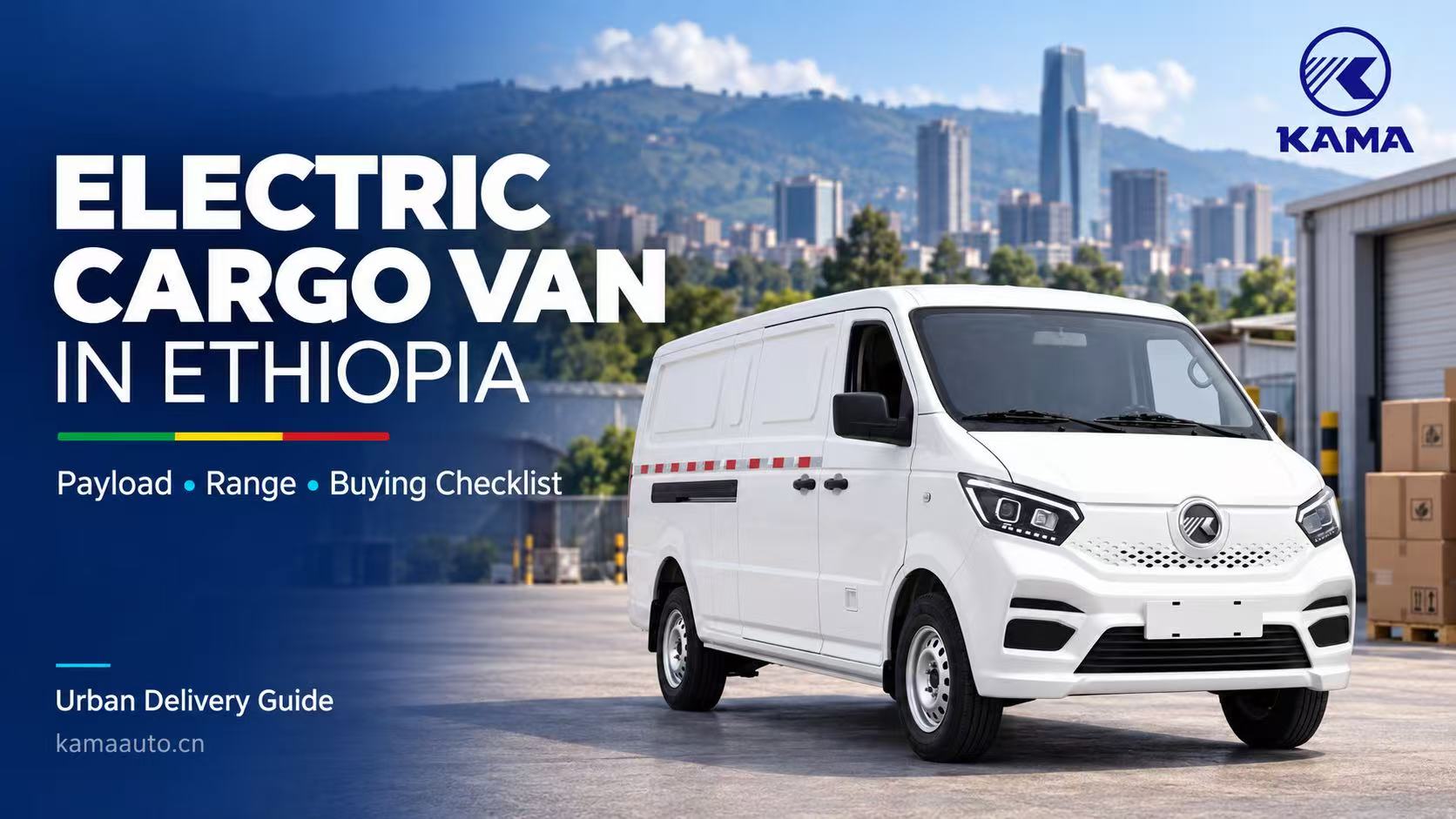
Electric Cargo Van in Ethiopia: Payload, Range and Buying Checklist
Electric Cargo Van in Ethiopia: Payload, Range and Buying Checklist
Choosing an electric cargo van in Ethiopia starts with understanding the delivery work it needs to complete. The vehicle must accommodate your goods, carry their weight within its approved limits and finish the planned route with a workable charging schedule.
For parcel companies, retailers, wholesalers and service businesses, these requirements can differ considerably. A van carrying lightweight packages may run out of cargo space before reaching its weight limit. A vehicle carrying tools or dense goods may reach its payload limit while there is still space inside.
Before requesting a quotation, prepare a simple description of your cargo, daily route and charging location. The following checklist explains how to turn that information into a useful vehicle specification.
1. Define Your Delivery Application
Start with the goods you transport and how they are handled during a normal working day.
| Application | Main buying consideration |
|---|---|
| Parcel and e-commerce delivery | Usable cargo volume, loading access and frequent stops |
| Retail and supermarket replenishment | Carton dimensions, cargo weight and unloading sequence |
| Tools and maintenance services | Equipment weight, storage layout and load restraint |
| Food distribution | Cargo handling and any temperature-control requirements |
| Warehouse-to-branch delivery | Repeated routes, loading schedules and charging opportunities |
An enclosed cargo van may be worth evaluating when goods need protection from weather and a lockable loading area. However, a standard enclosed van should not be treated as a temperature-controlled vehicle. Any refrigeration or insulation requirement needs separate technical confirmation.
For deliveries in Addis Ababa or another Ethiopian city, describe the actual streets, loading locations and parking conditions your drivers will encounter.
2. Check Usable Cargo Space and Loading Access
Published cargo volume is a starting point. It does not show whether your particular boxes, equipment or handling method will fit.
Ask for the cargo compartment’s internal length, width and height, together with the dimensions of the loading openings. Check whether wheel housings, partitions or fitted equipment reduce the usable space.
Before comparing vehicles, record:
Dimensions of your most common cartons or containers.
Maximum quantity carried on one trip.
Whether the goods can be stacked.
Whether loading is manual or uses handling equipment.
Access needed through the side and rear doors.
Space required for securing and separating goods.
If your operation uses pallets, confirm that the pallet can pass through the door opening and fit within the usable loading area. Also discuss loading-floor requirements and compatibility with the proposed handling method.
A simple loading sketch can make the enquiry more precise. It helps the supplier understand how you intend to use the space.
3. Compare Payload on the Same Basis
Payload and gross vehicle weight describe different things. When reviewing an electric van quotation, ask the supplier to explain the weight figures for the exact configuration being offered.
The assessment should account for the driver, any additional occupants, cargo and installed equipment according to the applicable weight definitions. Shelving, refrigeration equipment and other permanent additions must also be considered.
Ask the supplier to confirm:
Permitted gross vehicle weight.
Vehicle weight for the quoted configuration.
Available carrying capacity and what it includes.
Applicable axle limits.
Any effect of optional equipment on the weight assessment.
Do not assume that two vans with similar exterior dimensions have the same carrying capacity. Battery configuration, body construction and fitted equipment can differ.
Prepare both your normal load and your heaviest expected load. This gives the supplier a clearer basis for reviewing suitability.
4. Evaluate Range Using Your Complete Delivery Route
For an electric delivery van in Ethiopia, the relevant distance is the work completed between reliable charging opportunities.
Include the journey from the parking location to the first delivery, all customer stops, return travel and any regular additional trips. Record the busiest operating day as well as the average day.
Provide the following information when discussing battery requirements:
| Route information | What to record |
|---|---|
| Daily distance | Normal distance and the longest planned working day |
| Cargo load | Starting load and how it changes during deliveries |
| Road profile | Gradients, road surfaces and access conditions |
| Operating pattern | Number of stops, traffic and typical driving speeds |
| Auxiliary use | Air conditioning and any powered equipment |
| Charging window | When the vehicle returns and when it must leave again |
Ask which test cycle supports any advertised range and which vehicle version was tested. A laboratory range figure should not be treated as a guaranteed result for a loaded delivery route.
Discuss an operating reserve for diversions, extra deliveries or delays. Where practical, evaluate the proposed vehicle on a representative route before expanding the fleet.
5. Plan Charging Around the Working Day
A suitable vehicle also needs a charging arrangement that fits the business timetable.
For a van returning to the same warehouse each evening, start with the available overnight parking period. If it returns between delivery rounds, record the length and reliability of that additional charging window.
Confirm the following before ordering:
Vehicle charging interface and charger compatibility.
Supported charging capability for the selected version.
Charging equipment included in the quotation.
Available electrical capacity at the proposed site.
Installation responsibilities.
Arrangements for charging more vehicles as the fleet grows.
Ask the charging supplier to assess the site and expected energy requirement. A charger’s rated output alone does not establish how much energy the vehicle will receive during a particular parking period.
If the route depends on public charging, verify the intended location, compatibility and practical availability before including it in the operating plan.
6. Compare Complete Quotations
When comparing electric cargo van prices, make sure the offers cover equivalent specifications.
Request a written breakdown identifying the vehicle model, battery configuration, cargo layout, charging equipment, accessories and delivery scope. Record the quotation currency and validity period.
Discuss service support at the same stage. Ask about available technical documents, parts identification, initial spare-parts recommendations and how maintenance enquiries will be handled.
Any proposed local service arrangement should identify the responsible party and its agreed scope. Obtain the warranty terms applicable to the quoted vehicle in writing.
This makes it easier to compare the complete purchase rather than selecting a vehicle from a headline price alone.
7. Prepare a Clear Enquiry for an Ethiopian Delivery Project
A useful enquiry can be brief, provided it includes the information needed for model selection.
Send the supplier:
Delivery city in Ethiopia.
Goods transported and their typical dimensions.
Normal and maximum cargo weight.
Required cargo compartment dimensions.
Daily distance and route conditions.
Number of delivery stops.
Charging location and available parking time.
Initial vehicle quantity.
Any shelving, insulation or other equipment requirements.
For a pilot vehicle, agree on the operating information to record. Distance, load, energy consumption, charging time and service issues will provide a practical basis for future orders.
Explore an Electric Cargo Van for Your Business
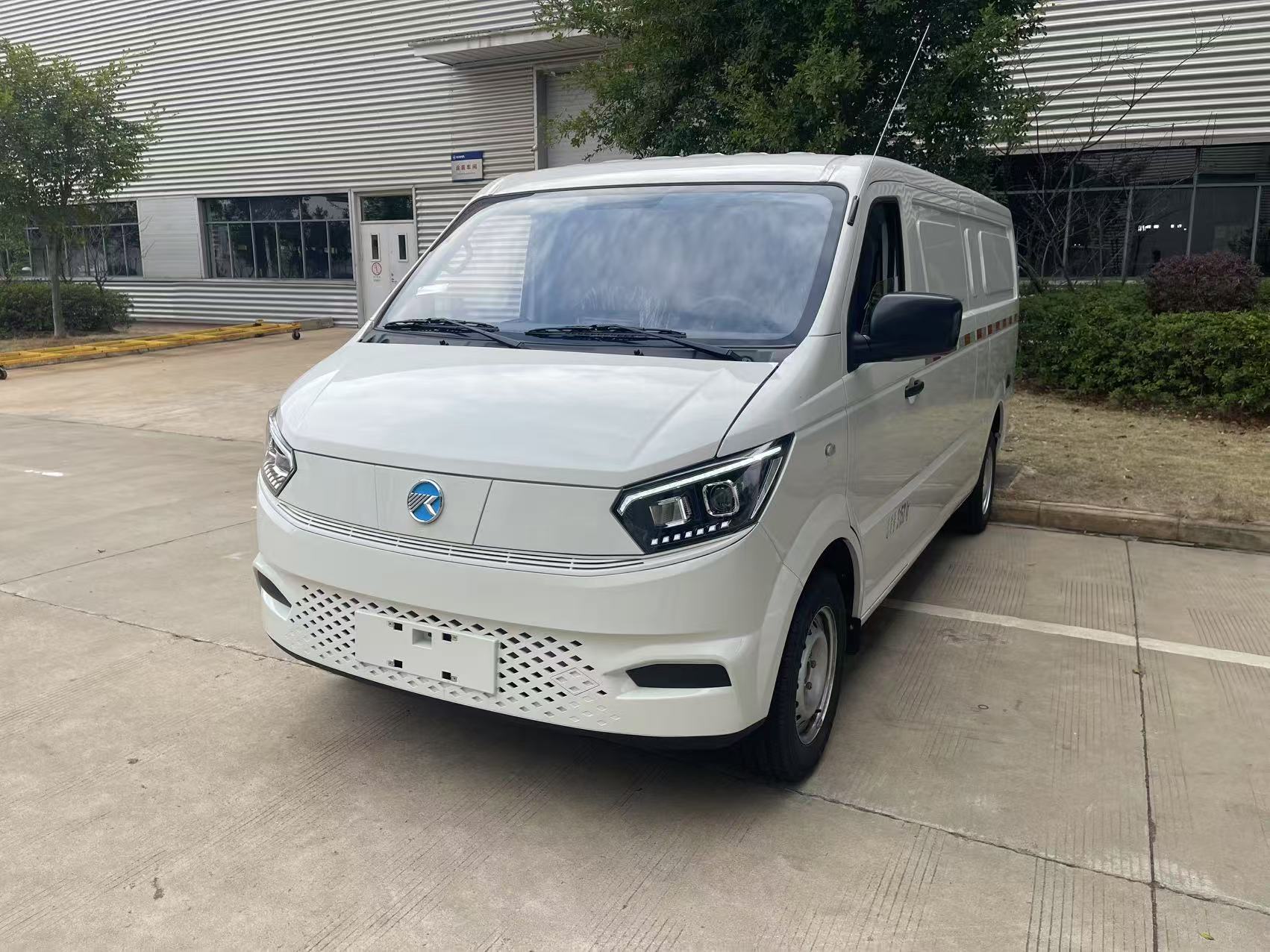
KAMA’s ES-series cargo vans can be discussed for commercial delivery projects. The appropriate model depends on cargo dimensions, operating load, route requirements and the configuration available for the destination.
Request the current specification sheet for the proposed version. Battery capacity, cargo dimensions, charging equipment and optional features should be checked together before the order is finalized.
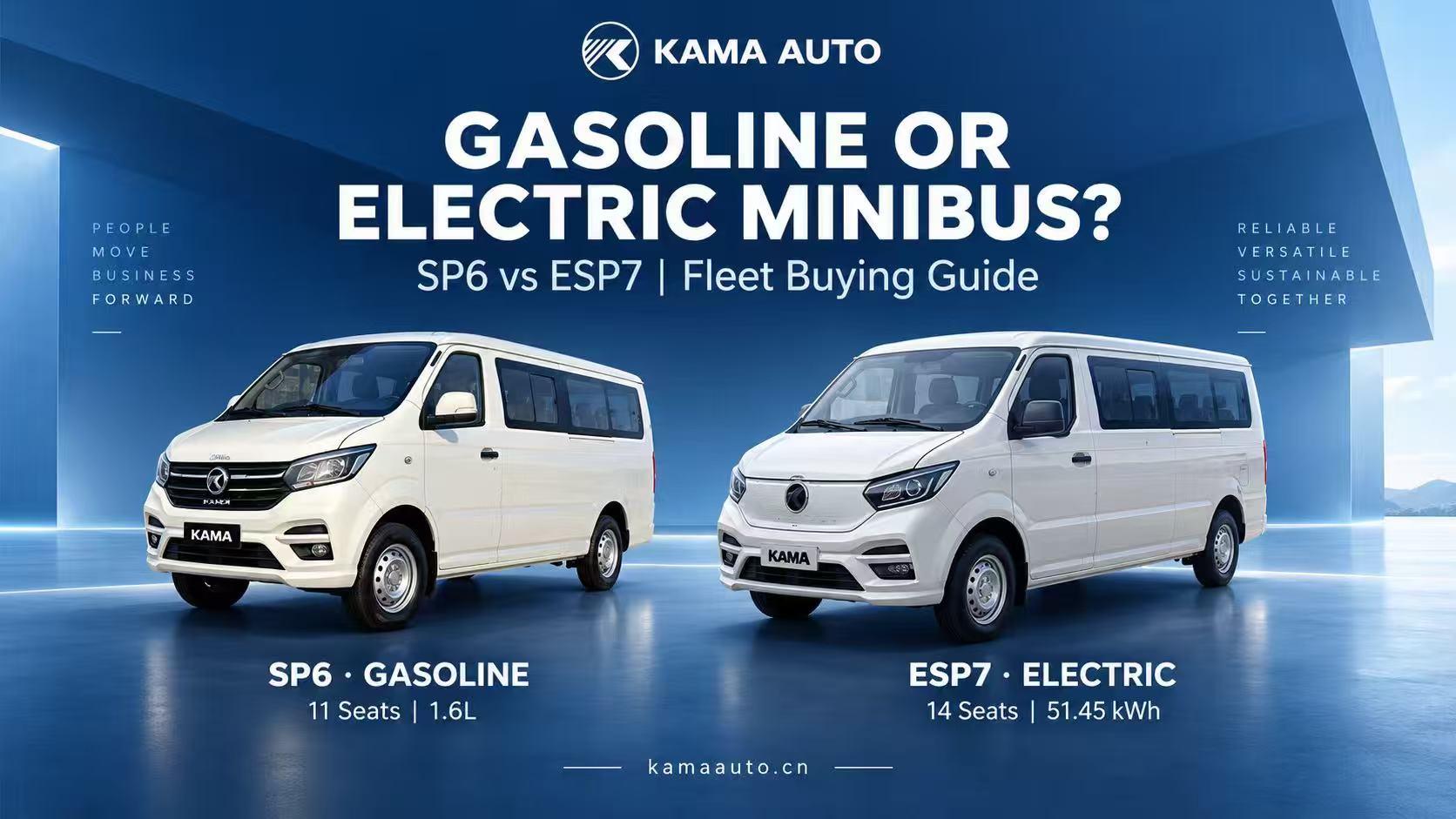
If your requirement is passenger transport, see our electric van price and minibus buying guide for Ethiopia.
For a cargo project, contact the KAMA team with your load, route and charging details to request a model recommendation and quotation.