Welcome to KAMA Auto
Right-Hand Drive Electric Trucks: Complete Export Guide 2025 | KAMA Auto
Right-Hand Drive Electric Trucks: Complete Export Guide 2025
The global commercial vehicle industry is undergoing its most significant transformation in decades. As countries worldwide commit to carbon neutrality and businesses seek to reduce operating costs, electric commercial vehicles are becoming the preferred choice for fleet operators. For markets that drive on the left side of the road, this transition presents unique opportunities—and unique challenges. This comprehensive guide explores everything you need to know about exporting right-hand drive (RHD) electric trucks, from market analysis to regulatory compliance.
The Global RHD Market: A Multi-Billion Dollar Opportunity
Approximately 35% of the world's population lives in countries with left-hand traffic (LHT), creating a substantial market for right-hand drive vehicles. The RHD commercial vehicle segment represents a significant opportunity for manufacturers and distributors who understand these markets' specific needs.
Asia-Pacific: The Largest RHD Market
South Asia leads RHD EV adoption with Nepal, India, Pakistan, Bangladesh, and Sri Lanka all showing strong growth:
Nepal: Already a proven success story for KAMA EV, with over 1,500 units on the road and growing monthly sales
India: The world's largest RHD market with aggressive EV policies and a $1.4 billion PLI scheme for electric vehicles
Bangladesh: Rapidly growing logistics sector with increasing demand for affordable commercial EVs
Pakistan: Rising fuel costs and government EV incentives creating market opportunity
Southeast Asia presents emerging opportunities:
Thailand: Targeting 30% EV production by 2030, with strong government incentives
Malaysia: Tax exemptions for EV imports and growing e-commerce driving delivery demand
Indonesia: World's fourth-largest population, with Jakarta leading EV adoption
Developed Markets:
Australia: Mature EV market with strong demand for commercial vehicles
Japan: Advanced EV technology market with specific commercial vehicle needs
New Zealand: 100% renewable electricity grid making EVs particularly attractive
Africa: The Next Frontier
Southern and East Africa are emerging as promising RHD EV markets:
South Africa: Largest African automotive market with growing EV infrastructure
Kenya: Regional logistics hub with increasing focus on sustainable transport
Tanzania: Strategic location for East African trade routes
United Kingdom and British Territories
The UK represents a premium RHD market with:
2030 ban on new petrol and diesel vehicle sales
Strong demand for last-mile delivery EVs
Established charging infrastructure
Why Right-Hand Drive Electric Trucks Make Business Sense
Regulatory Compliance and Safety
Operating a left-hand drive (LHD) vehicle in an RHD country creates significant challenges:
Safety concerns: Overtaking and junction visibility compromised
Legal restrictions: Many RHD countries prohibit LHD commercial vehicles
Insurance complications: Higher premiums or coverage limitations for non-compliant vehicles
RHD electric trucks eliminate these issues while delivering all the benefits of electric mobility.
The Economic Case for RHD EV Commercial Vehicles
Total Cost of Ownership (TCO) Advantages:
Fuel savings: 60-70% reduction compared to diesel equivalents
Maintenance: Fewer moving parts mean lower service costs
Tax incentives: Many RHD countries offer significant EV tax benefits
Residual value: Growing demand for used commercial EVs
Operational Benefits:
Driver satisfaction: Quieter, smoother operation reduces fatigue
Brand image: Zero-emission vehicles enhance corporate sustainability credentials
Access advantages: Some cities offer EVs priority access or reduced congestion charges
KAMA Auto's Right-Hand Drive Electric Truck Portfolio
KAMA Auto has developed a comprehensive range of RHD electric commercial vehicles specifically designed for left-hand traffic markets. Our RHD models maintain all the performance characteristics of our successful LHD vehicles while meeting the specific requirements of RHD operators.
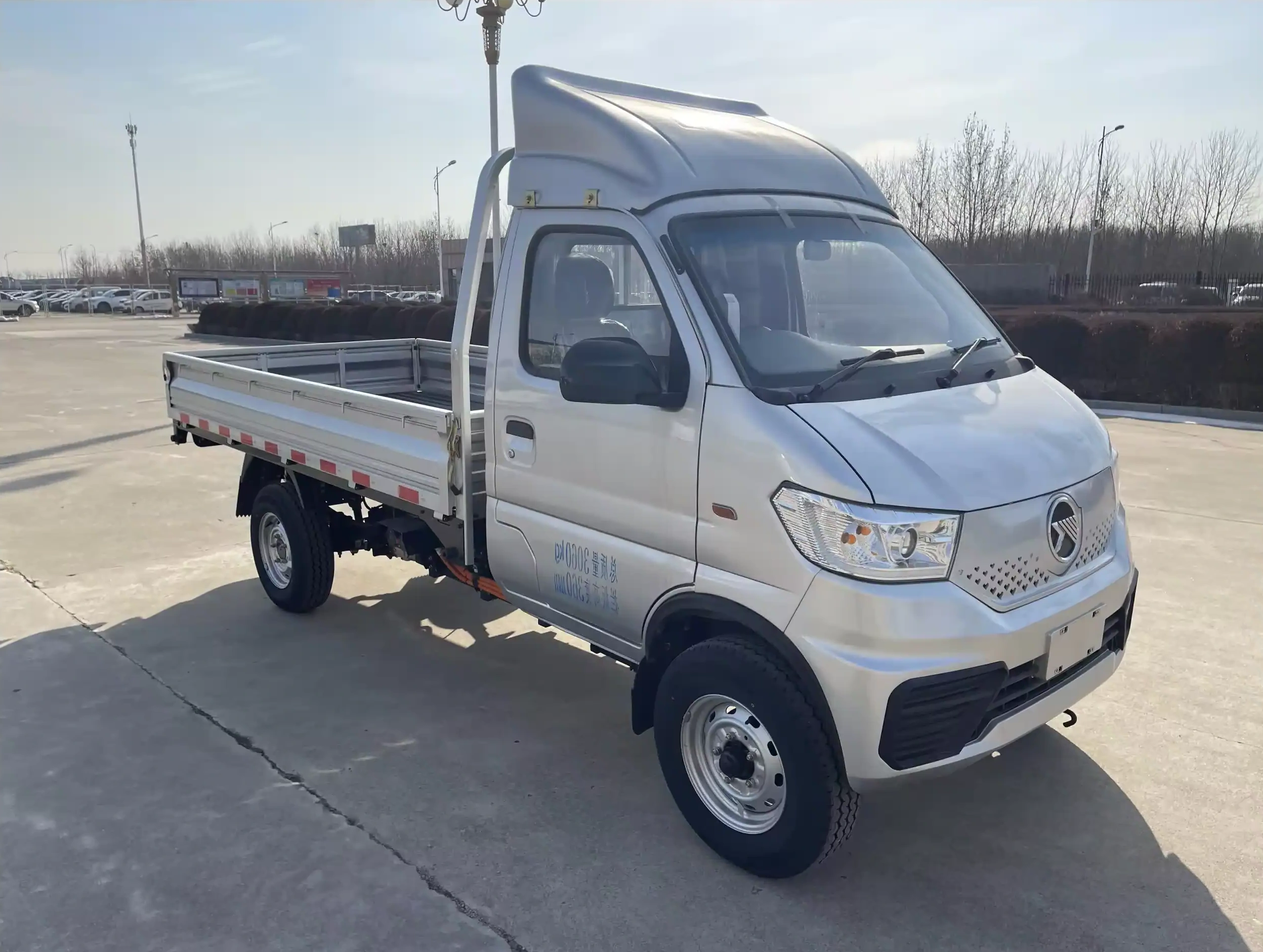
RHD EV Mini Truck
Specifications:
Drive configuration: Right-hand drive
Range: 210 km per charge
Payload capacity: 1,500 kg
Battery: 41.93 kWh lithium-ion
Charging time: 8-10 hours (standard), 1.5 hours (fast charge)
Dimensions: Compact design ideal for urban delivery
Ideal applications: Last-mile delivery, urban logistics, small business transport
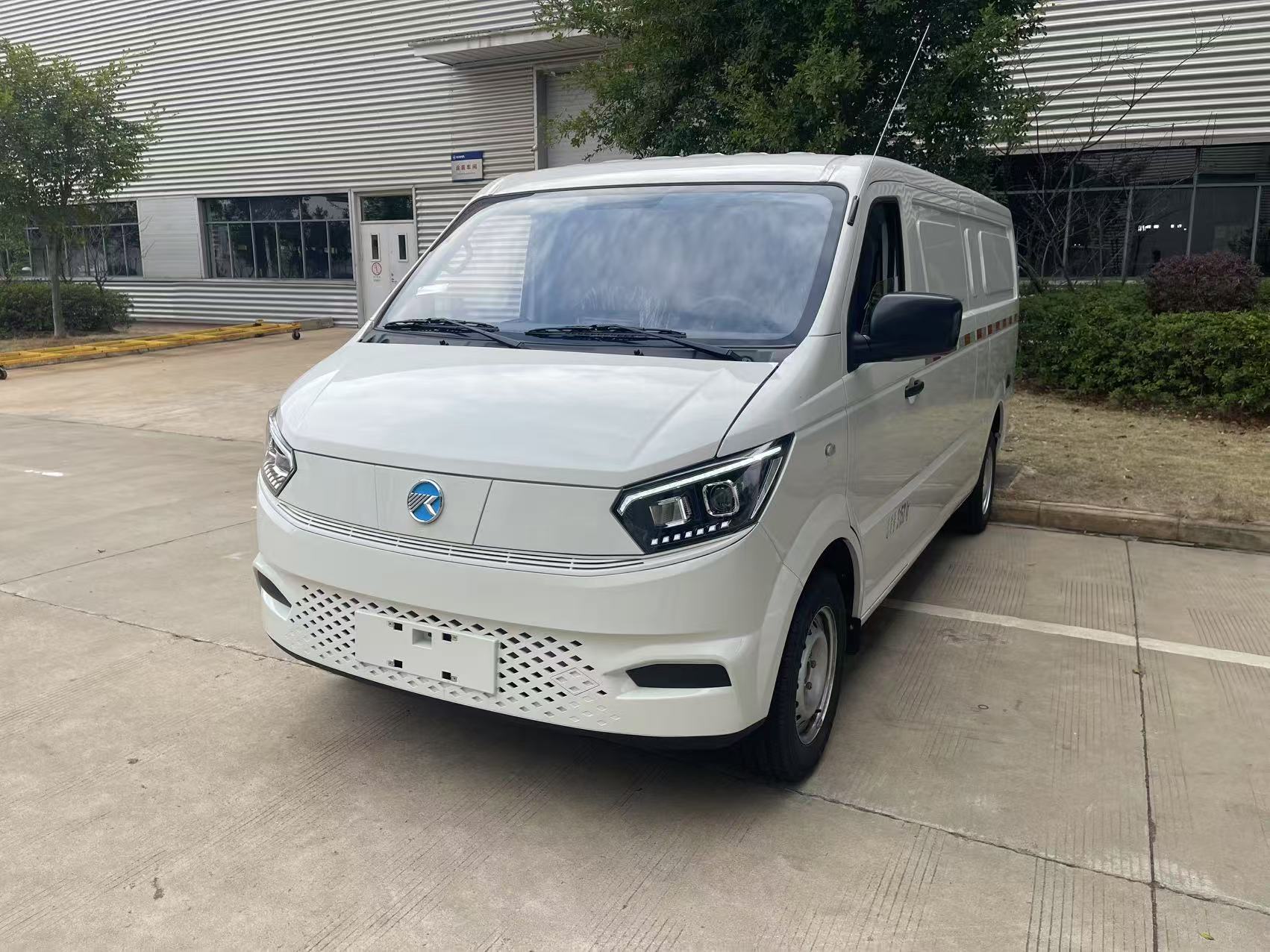
RHD EV Van Truck
Specifications:
Drive configuration: Right-hand drive
Range: 200-230 km per charge
Payload capacity: 1,200-1,500 kg
Cargo volume: 8-11 cubic meters
Seating: 2-14 passenger configurations available
Ideal applications: Cargo transport, passenger shuttle services, mobile businesses
RHD EV Light Truck
Specifications:
Drive configuration: Right-hand drive
Range: 180-250 km per charge
Payload capacity: 2,000-3,500 kg
Battery options: 60-80 kWh configurations
Ideal applications: Heavy urban delivery, construction materials, agricultural transport
Product Comparison Table
| Model | Range | Payload | Best For | CKD Available |
|---|---|---|---|---|
| EV Mini Truck | 210 km | 1,500 kg | Urban delivery | Yes |
| EV Van Truck | 200-230 km | 1,200-1,500 kg | Cargo/passenger | Yes |
| EV Light Truck | 180-250 km | 2,000-3,500 kg | Heavy loads | Yes |
Navigating Export Regulations and Certification
Understanding RHD Vehicle Standards
Right-hand drive vehicles must meet specific technical standards that vary by market:
Safety Standards:
ECE Regulations: UN Economic Commission for Europe standards (widely adopted)
ADR: Australian Design Rules
AIS: Automotive Industry Standards (India)
CCC: China Compulsory Certification
Electrical and Environmental Standards:
IP Ratings: Ingress protection for electrical components
EMC: Electromagnetic compatibility
Battery safety: UN 38.3 transportation testing
Import Documentation Requirements
Typical documentation for RHD electric commercial vehicle export includes:
Commercial Invoice
Packing List
Certificate of Origin
Bill of Lading
Vehicle Compliance Certificate
Battery Test Reports (UN 38.3)
Import Permit (destination country)
Insurance Certificate
Tariff Considerations
Import duties for electric commercial vehicles vary significantly:
Nepal: 0% import duty on EVs
India: 10-25% depending on CKD vs CBU
Thailand: 0% for EVs with local content requirements
Australia: 5% import duty + 10% GST
UK: 0% import duty for EVs, 20% VAT
CKD Advantage: Many countries offer significantly lower tariffs for vehicles imported in kit form for local assembly, often reducing duties by 50-70%.
Success Story: How Nepal Became the RHD EV Template
Nepal's transformation into a KAMA EV success story demonstrates the potential of well-executed RHD market entry. Within 24 months, KAMA electric commercial vehicles captured significant market share in Nepal's commercial vehicle segment.
Market Entry Strategy
The Nepal approach focused on three key elements:
Product-market fit: KAMA EV specifications matched Nepal's urban delivery needs perfectly—compact size for narrow streets, sufficient range for valley operations, and robust construction for varied road conditions.
CKD assembly partnership: Local assembly reduced costs, created employment, and built government support.
Comprehensive after-sales support: Investment in service infrastructure and spare parts inventory built customer confidence.
Results and Replication Potential
The Nepal model has proven so successful that it serves as a template for other RHD markets. Key metrics include:
Sales growth: From 10 units/month to 50+ units/month within 18 months
Market penetration: KAMA EVs now represent significant share of new commercial vehicle registrations
Customer satisfaction: High repeat purchase rates and positive word-of-mouth
These results demonstrate that the Nepal approach—focusing on product suitability, local partnership, and comprehensive support—can be replicated across other RHD markets.
Becoming a KAMA RHD Electric Vehicle Distributor
Distributor Requirements
KAMA Auto seeks distribution partners who can:
Invest in inventory: Minimum initial order quantities apply
Establish service capability: Technical training and spare parts inventory
Understand the market: Local commercial vehicle industry knowledge
Commit to growth: Multi-year distribution agreements
KAMA Support Package
Successful distributors receive comprehensive support:
Technical Support:
Factory training for technicians
Diagnostic equipment and software
Technical documentation and manuals
Remote technical assistance
Marketing Support:
Co-branded marketing materials
Digital marketing assets
Trade show support
Customer case studies
Business Support:
Competitive distributor pricing
Territory protection
Sales training and support
Market development funds
Investment and Returns
Typical distributor investment ranges from 500,000 depending on market size and initial inventory. Return on investment varies by market but successful distributors typically achieve profitability within 12-18 months.
Application Process
Initial inquiry: Submit distributor application form
Market assessment: KAMA evaluates market potential
Due diligence: Background and capability verification
Agreement negotiation: Terms and territory definition
Training and setup: Technical and operational preparation
Launch: Official distributor announcement and first shipment
The Future of RHD Electric Commercial Vehicles
The transition to electric mobility in RHD markets is accelerating. Several trends support continued growth:
Policy support: Increasing government incentives and regulations favoring EVs
Infrastructure development: Charging networks expanding across RHD countries
Total cost parity: EV TCO approaching or beating ICE vehicles in most applications
Corporate sustainability: Fleet operators committing to zero-emission targets
For distributors and fleet operators, the window for establishing market position is now. Early entrants in RHD EV markets are building brand recognition, customer relationships, and service capabilities that will be difficult for later competitors to match.
Your Opportunity in the RHD EV Revolution
Right-hand drive electric commercial vehicles represent one of the most significant opportunities in the global automotive industry. With proven products, established success in key markets like Nepal, and comprehensive distributor support, KAMA Auto is positioned to help partners capture this opportunity.
Whether you're an established automotive distributor looking to add electric vehicles to your portfolio, or an entrepreneur recognizing the potential of commercial EVs in your market, KAMA Auto offers the products, expertise, and partnership approach to help you succeed.
Ready to explore the RHD electric vehicle opportunity? Contact our export team to discuss distributor partnerships, product specifications, and market entry strategies. Join the growing network of KAMA EV distributors transforming commercial transport across RHD markets worldwide.