Welcome to KAMA Auto
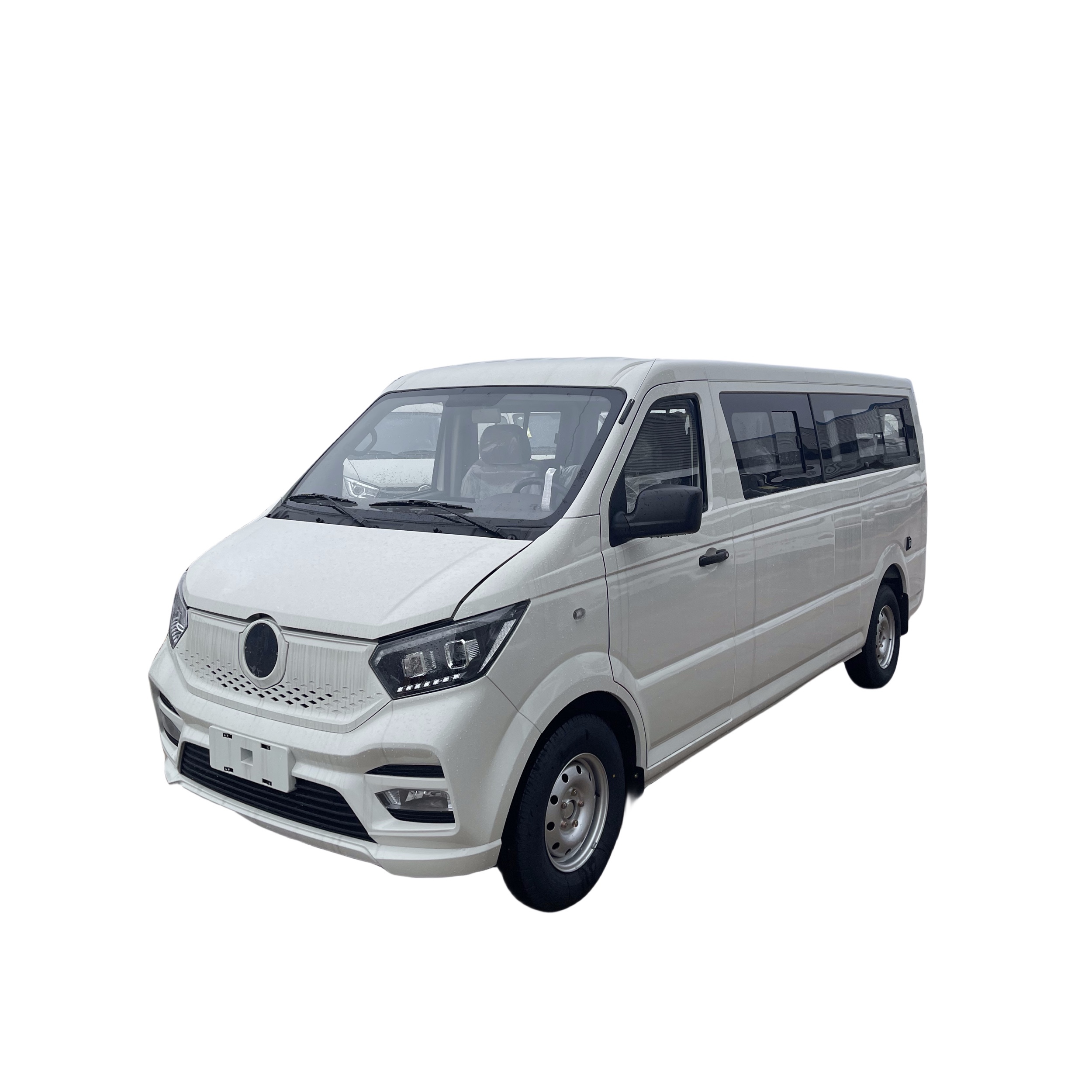
KAMA ESP7 Electric Minibus | 51.45 kWh Gotion Battery
- ESP7 Passenger Minibus
- Left-Hand Drive
- 51.45 kWh Gotion LFP Battery
- 35/70 kW Rated/Peak Motor Power
- 3450 mm Wheelbase
- Fast and Slow Charging
- ABS
- Power Steering
- Front Air Conditioning
- MP5 Media
- Power Windows
- Central Locking
KAMA ESP7 Electric Passenger Minibus for Fleet and Distributor Buyers
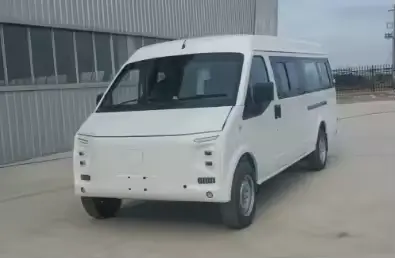
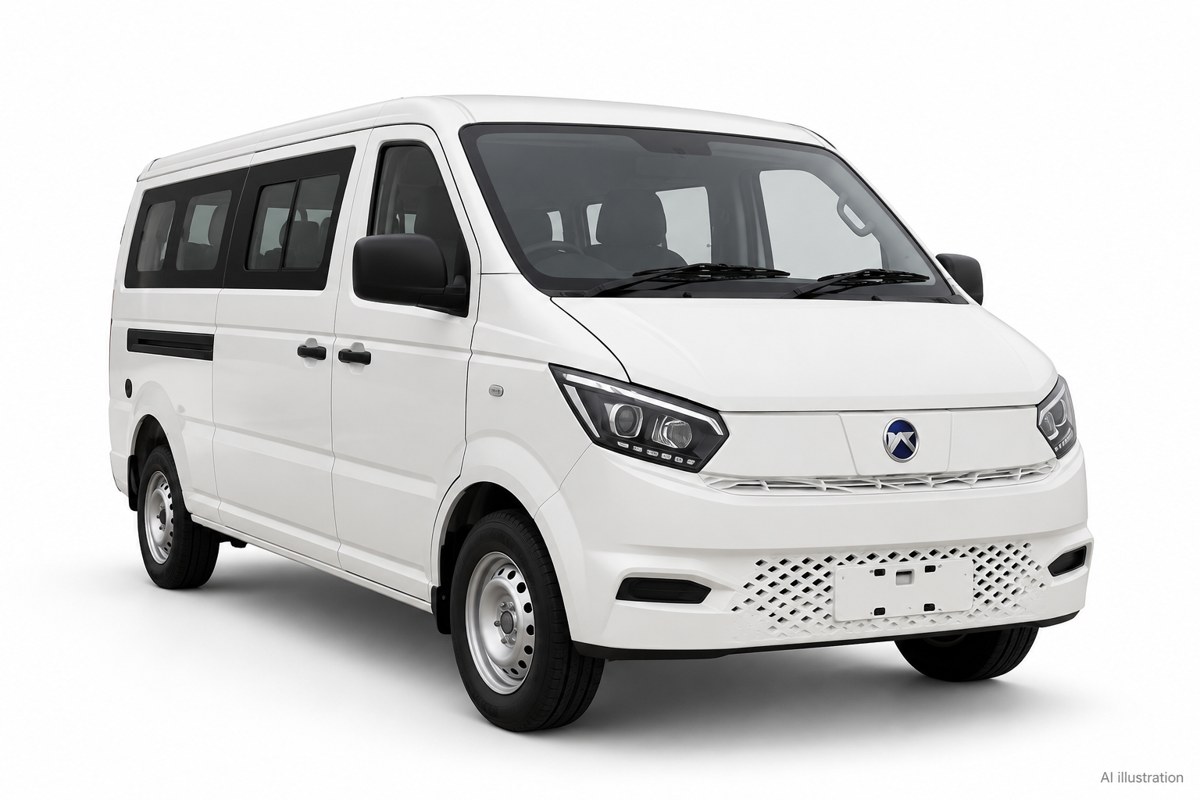
The KAMA ESP7 is a battery-electric passenger minibus for buyers assessing staff transport, scheduled shuttle services and other planned passenger routes. This page describes the left-hand-drive configuration with a 51.45 kWh Gotion lithium iron phosphate battery. Its permanent magnet synchronous motor is listed at 35 kW rated power and 70 kW peak power.
For distributors and fleet operators serving African and South American markets, vehicle selection starts with the intended passenger service. Share the route, seating requirement and charging arrangement so the vehicle specification can be matched to your procurement brief. Destination requirements and the offered configuration are reviewed for the particular order.
Gotion Battery Configuration
The supplied ESP7 specification lists a 51.45 kWh LFP battery and support for fast and slow charging. Charger power, vehicle inlet, communication compatibility and available electrical supply should be checked together when preparing a fleet charging plan. Other battery or steering options should be described in a separate confirmed specification.
The sheet lists a 310 km CLTC reference range. CLTC is a test-cycle figure. Operating distance varies with passenger load, speed, gradients, temperature, air-conditioning use and charging conditions. Provide the daily route and operating schedule before selecting a vehicle for the service.
ESP7 Specification Summary
| Item | Specification for this configuration |
|---|---|
| Model | KAMA ESP7 |
| Power type | Battery electric vehicle (BEV) |
| Steering | Left-hand drive |
| Battery brand | Gotion |
| Battery chemistry | Lithium iron phosphate (LFP) |
| Battery capacity | 51.45 kWh |
| Motor type | Permanent magnet synchronous motor |
| Motor rated / peak power | 35 / 70 kW |
| Motor model | TZ180XSA07 (Wuhan Lincontrol) |
| Wheelbase | 3450 mm |
| Overall dimensions (L × W × H) | 5265 × 1715 × 2065 mm |
| Curb weight | 1820 kg |
| Gross vehicle weight | 3320 kg |
| Maximum speed | 95 km/h |
| Tyres | 195R14C |
| Service brake | Hydraulic brake |
| Parking brake | Central drum brake |
| Charging | Fast and slow charging; charging interface confirmed for the order |
| Reference range | 310 km CLTC, as listed in the supplied specification sheet |
| Seating configuration | Final seat count and arrangement confirmed against the approved seating drawing |
Specifications above follow the supplied ESP7 Gotion configuration sheet. Confirm the final vehicle build, seating drawing and applicable requirements in the order specification.
Passenger Cabin and Listed Equipment
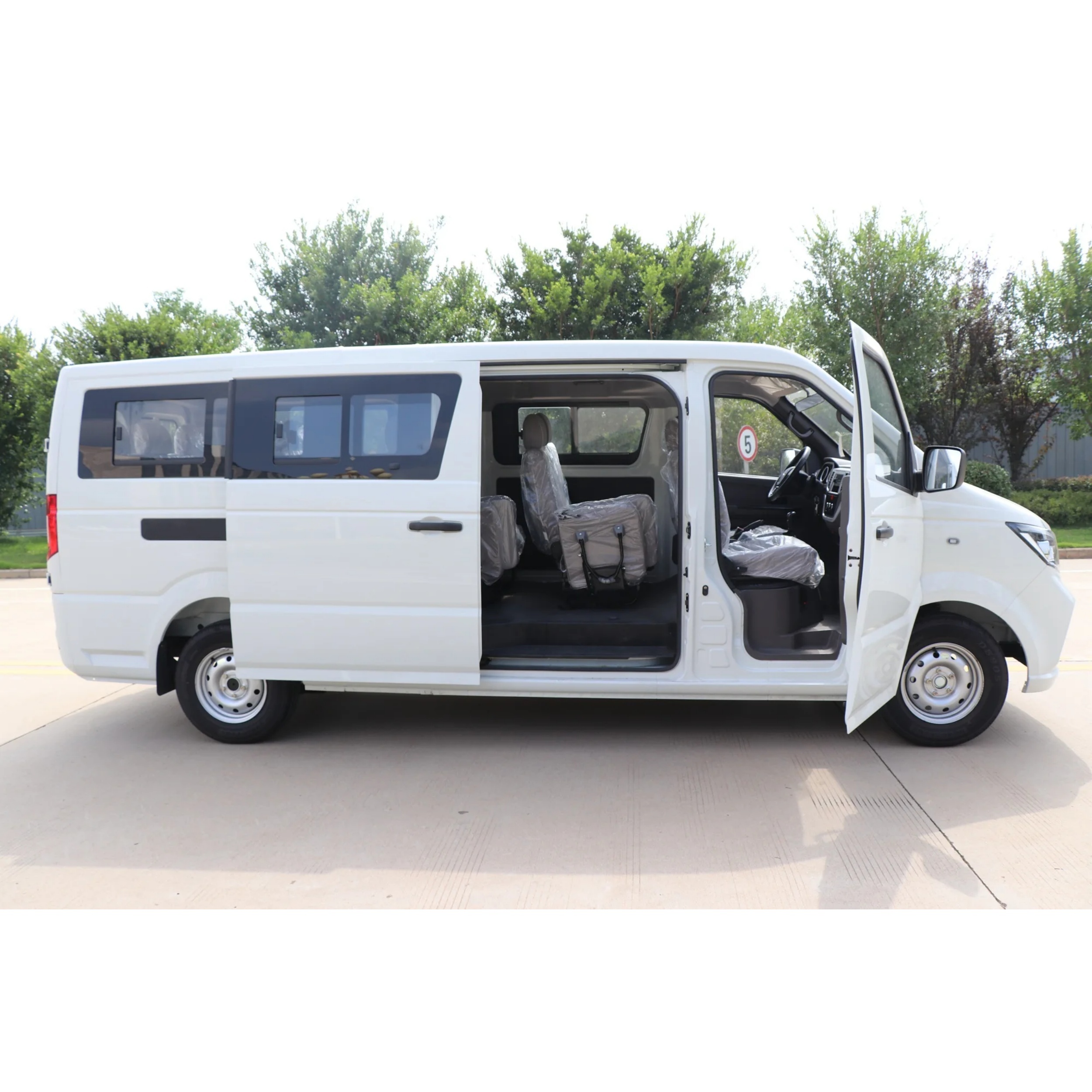
The 3450 mm wheelbase and passenger body provide a starting point for reviewing the required seating arrangement, entry access and luggage provision. Confirm the total seat count, whether it includes the driver, passenger access and any luggage space against the layout drawing before placing an order.
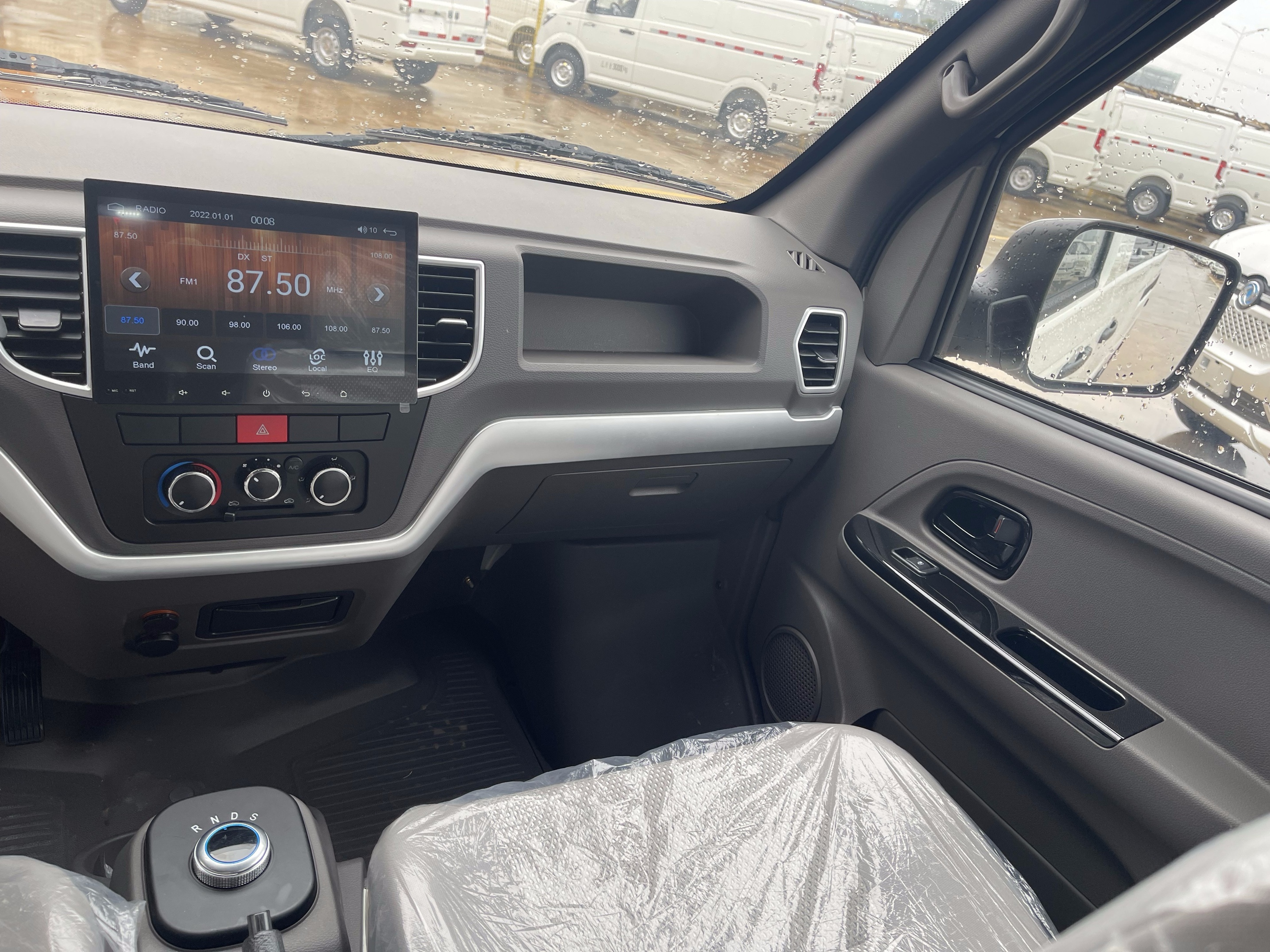
The configuration sheet lists ABS, power steering, front air conditioning, an MP5 media unit, power windows and central locking. White and silver are listed as body-colour choices. Rear air conditioning and other equipment are assessed separately when requested; a feature visible in a reference photograph does not establish that it is included in this configuration.
Applications to Assess
Employee and staff transport: review peak passenger numbers, shift times, route length and depot charging.
Campus or site shuttles: check gradients, frequent stops, passenger entry and vehicle turnaround time.
Hotel and local transfer services: confirm the luggage requirement alongside the seating layout.
Distributor fleet programmes: identify the customer applications, initial quantity and specification that will be used consistently across the order.
Prepare a Fleet or Distributor Enquiry
Send the destination country, company name, intended quantity, required seating layout, daily distance and charging information. Include any steering, cabin-equipment or documentation requirements. We can use this brief to review the requested ESP7 configuration and prepare the next specification discussion.
For repeat orders, keep the agreed battery, motor, seating, tyre and equipment details together in a versioned specification. Before shipment, request vehicle identification, configuration photographs and the document list agreed for the destination. The availability and terms of warranty, spare parts and technical support are confirmed for the order.
Keep standard equipment and requested options separate
For an ESP7 distributor order, prepare an option register alongside the agreed vehicle specification. A feature shown in a photograph or discussed during an enquiry should not be treated as included until it appears in the final build list. Use this register when collecting requirements from several fleet customers.
| Order item | Buyer input | Confirmation to retain |
|---|---|---|
| Cabin equipment | Describe the passenger service, climate and requested comfort equipment. | Separate the included equipment from requested additions, including any rear cabin cooling request. |
| Seating and luggage | State occupancy and luggage needs together. | Retain the approved layout drawing and identify any difference from the reference vehicle. |
| Charging equipment | Provide the proposed charger identification and available electrical supply. | Record the agreed vehicle inlet and supplied accessories; appearance alone does not establish compatibility. |
| Body finish and identification | Describe colour and fleet-marking requirements. | Agree the finish and marking layout before approving production details. |
| Service preparation | Identify the receiving workshop and intended service contact. | Request a model-specific parts-identification process and support scope. |
Build an initial spare-parts discussion around the actual fleet
Provide the planned fleet size, operating conditions, workshop capability and replenishment arrangement. Ask the supplier to propose an itemised parts list linked to the confirmed build. Record the part number, description, compatible vehicle version and proposed quantity for each item. A generic spare-parts bundle may not match every battery, steering or cabin configuration.
Keep unresolved options in a separate list with an owner and decision date. Before approving the order, reconcile the vehicle specification, option register and proposed support scope. For a repeat batch, use a written change list rather than assuming that the previous vehicle and the new offer are identical.
What should a distributor send first?
Send the destination country, intended passenger service, initial quantity, required cabin arrangement and proposed service facilities. Attach a list of requested options without assuming availability. These details allow the team to review the build and support requirements together.
Frequently Asked Questions
Which battery does this ESP7 configuration use?
This version is described with a 51.45 kWh Gotion LFP battery. When comparing another ESP7 offer, check its complete battery and motor specification separately.
Is the CLTC figure the distance the vehicle will cover on my route?
The listed 310 km figure is a CLTC reference value. A route assessment should account for passengers, terrain, speed, climate, cabin loads and charging opportunities.
How is the passenger capacity confirmed?
The final total seat count, inclusion of the driver and seat arrangement are confirmed using the approved seating drawing for the supplied vehicle.
What should I provide for a distributor enquiry?
Provide your country, company details, customer applications, expected quantity and required configuration. Include a route profile and the charging arrangement where available.
Discuss Your ESP7 Fleet Requirement
Contact our export team with your passenger-transport brief to review the ESP7 Gotion configuration, seating arrangement and procurement requirements.
KAMA ESP7 Electric Passenger Minibus for Fleet and Distributor Buyers
The KAMA ESP7 is a battery-electric passenger minibus for buyers assessing staff transport, scheduled shuttle services and other planned passenger routes. This page describes the left-hand-drive configuration with a 51.45 kWh Gotion lithium iron phosphate battery. Its permanent magnet synchronous motor is listed at 35 kW rated power and 70 kW peak power.
For distributors and fleet operators serving African and South American markets, vehicle selection starts with the intended passenger service. Share the route, seating requirement and charging arrangement so the vehicle specification can be matched to your procurement brief. Destination requirements and the offered configuration are reviewed for the particular order.
Gotion Battery Configuration
The supplied ESP7 specification lists a 51.45 kWh LFP battery and support for fast and slow charging. Charger power, vehicle inlet, communication compatibility and available electrical supply should be checked together when preparing a fleet charging plan. Other battery or steering options should be described in a separate confirmed specification.
The sheet lists a 310 km CLTC reference range. CLTC is a test-cycle figure. Operating distance varies with passenger load, speed, gradients, temperature, air-conditioning use and charging conditions. Provide the daily route and operating schedule before selecting a vehicle for the service.
ESP7 Specification Summary
| Item | Specification for this configuration |
|---|---|
| Model | KAMA ESP7 |
| Power type | Battery electric vehicle (BEV) |
| Steering | Left-hand drive |
| Battery brand | Gotion |
| Battery chemistry | Lithium iron phosphate (LFP) |
| Battery capacity | 51.45 kWh |
| Motor type | Permanent magnet synchronous motor |
| Motor rated / peak power | 35 / 70 kW |
| Motor model | TZ180XSA07 (Wuhan Lincontrol) |
| Wheelbase | 3450 mm |
| Overall dimensions (L × W × H) | 5265 × 1715 × 2065 mm |
| Curb weight | 1820 kg |
| Gross vehicle weight | 3320 kg |
| Maximum speed | 95 km/h |
| Tyres | 195R14C |
| Service brake | Hydraulic brake |
| Parking brake | Central drum brake |
| Charging | Fast and slow charging; charging interface confirmed for the order |
| Reference range | 310 km CLTC, as listed in the supplied specification sheet |
| Seating configuration | Final seat count and arrangement confirmed against the approved seating drawing |
Specifications above follow the supplied ESP7 Gotion configuration sheet. Confirm the final vehicle build, seating drawing and applicable requirements in the order specification.
Passenger Cabin and Listed Equipment
The 3450 mm wheelbase and passenger body provide a starting point for reviewing the required seating arrangement, entry access and luggage provision. Confirm the total seat count, whether it includes the driver, passenger access and any luggage space against the layout drawing before placing an order.
The configuration sheet lists ABS, power steering, front air conditioning, an MP5 media unit, power windows and central locking. White and silver are listed as body-colour choices. Rear air conditioning and other equipment are assessed separately when requested; a feature visible in a reference photograph does not establish that it is included in this configuration.
Applications to Assess
Employee and staff transport: review peak passenger numbers, shift times, route length and depot charging.
Campus or site shuttles: check gradients, frequent stops, passenger entry and vehicle turnaround time.
Hotel and local transfer services: confirm the luggage requirement alongside the seating layout.
Distributor fleet programmes: identify the customer applications, initial quantity and specification that will be used consistently across the order.
Prepare a Fleet or Distributor Enquiry
Send the destination country, company name, intended quantity, required seating layout, daily distance and charging information. Include any steering, cabin-equipment or documentation requirements. We can use this brief to review the requested ESP7 configuration and prepare the next specification discussion.
For repeat orders, keep the agreed battery, motor, seating, tyre and equipment details together in a versioned specification. Before shipment, request vehicle identification, configuration photographs and the document list agreed for the destination. The availability and terms of warranty, spare parts and technical support are confirmed for the order.
Frequently Asked Questions
Which battery does this ESP7 configuration use?
This version is described with a 51.45 kWh Gotion LFP battery. When comparing another ESP7 offer, check its complete battery and motor specification separately.
Is the CLTC figure the distance the vehicle will cover on my route?
The listed 310 km figure is a CLTC reference value. A route assessment should account for passengers, terrain, speed, climate, cabin loads and charging opportunities.
How is the passenger capacity confirmed?
The final total seat count, inclusion of the driver and seat arrangement are confirmed using the approved seating drawing for the supplied vehicle.
What should I provide for a distributor enquiry?
Provide your country, company details, customer applications, expected quantity and required configuration. Include a route profile and the charging arrangement where available.
Discuss Your ESP7 Fleet Requirement
Contact our export team with your passenger-transport brief to review the ESP7 Gotion configuration, seating arrangement and procurement requirements.