Welcome to KAMA Auto
Electric Van Price in Ethiopia: A Minibus Buying Guide
Electric Van Price in Ethiopia: A Minibus Buying Guide
How much does an electric van cost in Ethiopia? The answer depends on the vehicle configuration and what the quotation includes. A passenger minibus, a cargo van and a vehicle supplied with charging equipment can have very different purchase costs.
For passenger transport, start with the number of seats, daily route and charging arrangements. Then compare quotations for the same specification and delivery scope. This guide explains the main questions to ask when buying an electric passenger van or minibus for use in Ethiopia.
Electric Passenger Van or Cargo Van: Define the Vehicle First
The term “electric van” can describe vehicles built for different jobs.
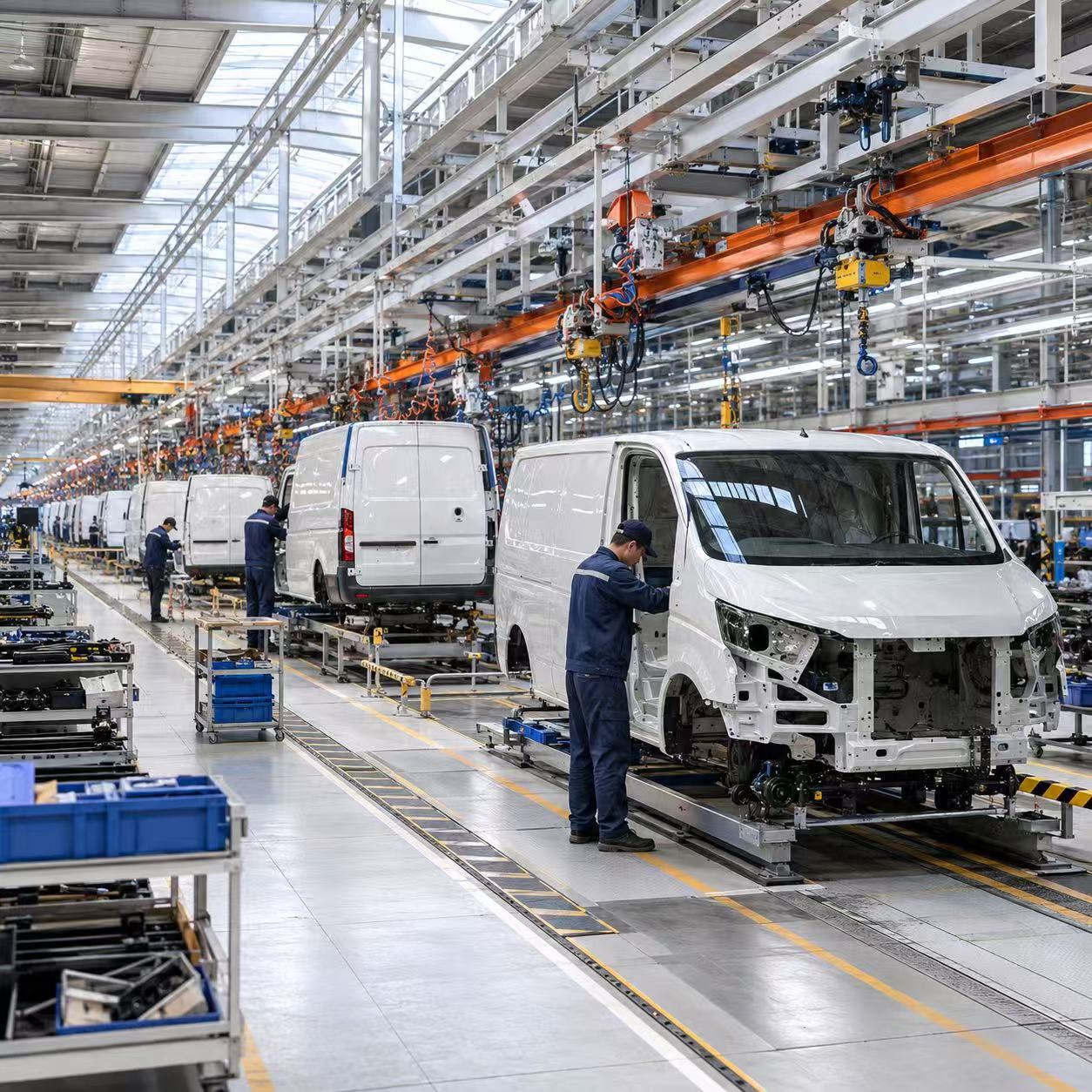
A passenger van or minibus is intended to carry people. Buyers should assess seating layout, passenger access, air conditioning and luggage space. A cargo van is intended for goods delivery, where usable load space, loading access and payload are the main considerations.
For staff transport, hotel transfers or a scheduled shuttle, specify a passenger vehicle when requesting a quotation. State whether your required seat count includes the driver. This avoids comparing vehicles with different passenger capacities.
What Affects the Electric Minibus Price?
A useful quotation should identify the exact vehicle configuration rather than provide only a model name and a total price.
| Price factor | What to compare |
|---|---|
| Vehicle size and seating | Passenger capacity, interior layout and luggage space |
| Battery configuration | Battery supplier, capacity and applicable vehicle version |
| Passenger equipment | Air conditioning, interior fittings and accessories |
| Charging package | Vehicle charging interface and equipment included |
| Support package | Technical documents, initial spare parts and service scope |
| Delivery arrangement | Named delivery point, transport included and excluded costs |
A price advertised for an export vehicle should not automatically be treated as a local retail price in Ethiopia. Ask the supplier to explain the scope clearly and identify which additional costs you need to obtain separately.
If a quotation is provided in a foreign currency, record its validity period and the exchange rate used for your own budget comparison.
Without a confirmed specification and delivery scope, a single headline price is not a reliable basis for choosing between suppliers.
Choose Seating Around the Actual Service
More seats are useful only when the vehicle still meets the operating requirements.
For employee transport, record the number of passengers on the busiest trip and the locations where they board. For hotel or airport transfers, assess luggage space as well as seating. A layout that works for passengers with small bags may be less suitable for travellers carrying large suitcases.
Before ordering, request the proposed seating layout and interior dimensions. Confirm passenger access, luggage arrangements and the configuration applicable to the destination.
Match Battery Range to the Route
When comparing an electric minibus in Ethiopia, look beyond the advertised range.
Provide the supplier with:
Total distance between charging opportunities.
Typical and maximum passenger load.
Luggage carried.
Route gradients and road conditions.
Expected traffic and driving speed.
Air-conditioning use.
Time available for charging.
For a shuttle operating in Addis Ababa, describe the actual route and timetable. A vehicle returning to its parking location between shifts has different requirements from one running throughout the day.
Ask which test cycle supports the quoted range and which battery version was tested. The operating assessment should consider passenger load and route conditions, with an agreed reserve for additional trips or delays.
A larger battery may be worth evaluating, but it should be considered alongside purchase cost, vehicle weight and charging requirements.
Check Charging Before Placing the Order
Charging arrangements should be reviewed before the vehicle specification is finalized.
If you already have access to a charger, send its technical details to the vehicle supplier. Confirm compatibility with the proposed vehicle, including the charging interface and supported charging capability.
If a new charger is required, ask whether it is included in the quotation. Clarify the responsibilities for equipment supply, site assessment and installation.
For a fleet, provide the expected arrival and departure times of each vehicle. The charging plan should account for the site's available electrical capacity and the energy that needs to be restored during the parking period.
Any public charging location included in the operating plan should be checked for compatibility and practical availability.
Compare Purchase Cost with Operating Requirements
The lowest vehicle price does not necessarily produce the most suitable transport solution.
When comparing offers, consider the vehicle, charging equipment, initial parts, maintenance arrangements and the support required to keep the service running.
Use your own route information to evaluate operating costs. Electricity use, charging losses, actual electricity charges, maintenance and vehicle downtime all need a stated basis. Avoid relying on a general savings percentage that does not reflect your operation.
For an initial vehicle, agree on the information to collect during evaluation: distance travelled, passenger load, energy consumed, charging time and any service issues. These records can help guide later fleet purchases.
What to Send When Requesting a Quotation
To obtain a useful electric passenger van quotation for Ethiopia, prepare the following information:
Delivery city and preferred delivery arrangement.
Intended service and required seating capacity.
Daily route distance and number of trips.
Passenger and luggage requirements.
Charging location and available parking time.
Initial order quantity.
Required documents, spare parts and support.
Ask for the vehicle specification, quotation validity, delivery scope and warranty terms in writing. Any local service arrangement should identify the responsible party and the agreed scope.
Explore an Electric Minibus for Your Ethiopian Transport Project
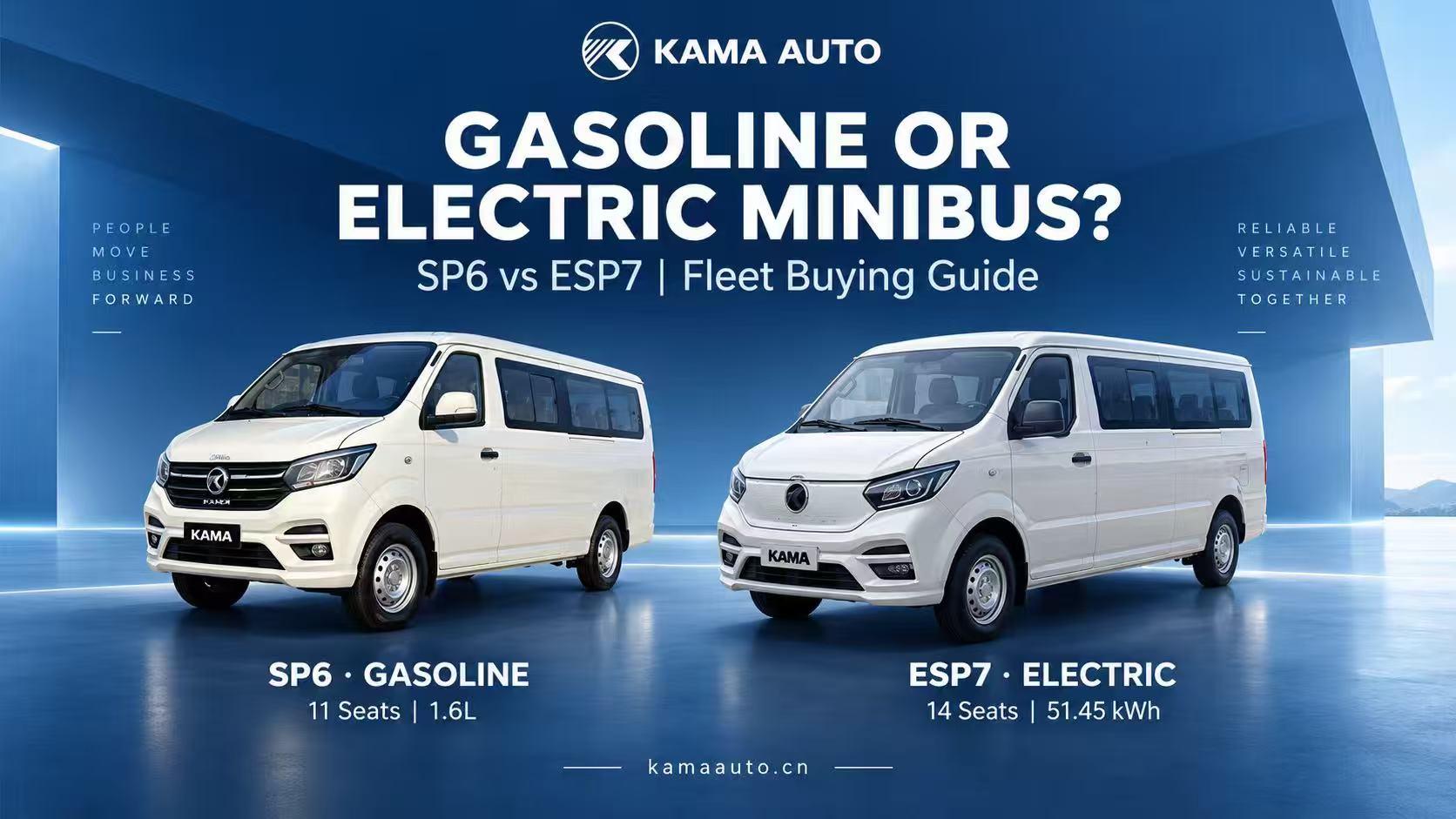
KAMA offers electric passenger minibus options for project evaluation. The appropriate model and configuration depend on your seating, route, charging and destination requirements.
Send your operating details and purchase quantity to request a model recommendation and current quotation. For broader market-entry considerations, read our Ethiopia electric commercial vehicle market guide, or contact the KAMA team to discuss your project.