Welcome to KAMA Auto
From Fuel Cost Pressure to Local Assembly Why LHD Electric Vans and Mini Trucks Are Gaining Momentum
From Fuel Cost Pressure to Local Assembly: Why LHD Electric Vans and Mini Trucks Are Gaining Momentum in 2026
Across many emerging markets, commercial vehicle buyers are entering a new stage of decision-making. In the past, importers and fleet operators mainly compared vehicle price, payload and engine performance. Today, more buyers are also comparing fuel cost, charging availability, spare parts support, local assembly opportunities and long-term operating efficiency.
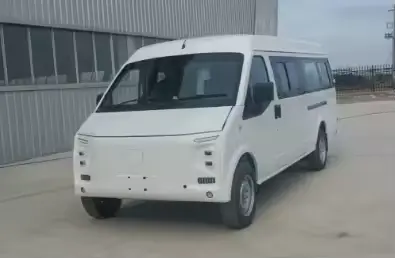
This change is creating new opportunities for left-hand drive electric commercial vehicles, especially electric cargo vans, EV mini trucks and electric minibuses. For markets in Africa, the Middle East, Latin America and Central Asia, these vehicles are no longer only a future concept. They are becoming practical tools for urban delivery, passenger transport, municipal service, industrial parks, airport logistics and small business operations.
For KAMA Auto, this trend matches the growing demand for export-ready commercial vehicles that can support both complete vehicle sales and long-term distributor cooperation.
1. Fuel Cost Pressure Is Changing Buyer Behavior
Fuel cost is one of the biggest concerns for commercial vehicle users. For delivery companies, taxi operators, shuttle services, municipal fleets and small business owners, daily fuel consumption directly affects profit.
When fuel prices rise or fuel supply becomes unstable, fleet operators start to look for alternatives. Electric commercial vehicles become attractive because they can reduce dependence on gasoline or diesel in fixed-route and short-distance applications.
This is especially important for vehicles used in:
city delivery
e-commerce logistics
warehouse and industrial park transport
school or company shuttle service
airport transfer
municipal service
retail distribution
last-mile delivery
For these use cases, the route is usually predictable, the vehicle returns to a fixed parking area, and charging can be arranged more easily. This makes electric vans and EV mini trucks more practical than many buyers expected.
2. Why Left-Hand Drive Electric Vehicles Have Strong Export Potential
In many export markets, left-hand drive is the standard configuration. For importers and distributors, choosing a left-hand drive electric vehicle is not only about driver comfort. It also affects registration, road safety, fleet acceptance and long-term resale value.
That is why search demand is increasing around keywords such as:
left hand drive electric van
LHD electric cargo van
LHD EV mini truck
electric commercial vehicle for Africa
China electric van supplier
electric mini truck for export
EV commercial vehicle distributor
A suitable LHD electric commercial vehicle gives local dealers a product that is easier to promote to business customers. Compared with right-hand drive models or passenger-focused EVs, LHD cargo vans and mini trucks can better match real commercial use in many target markets.
3. Electric Cargo Vans Are Becoming a Practical Fleet Product
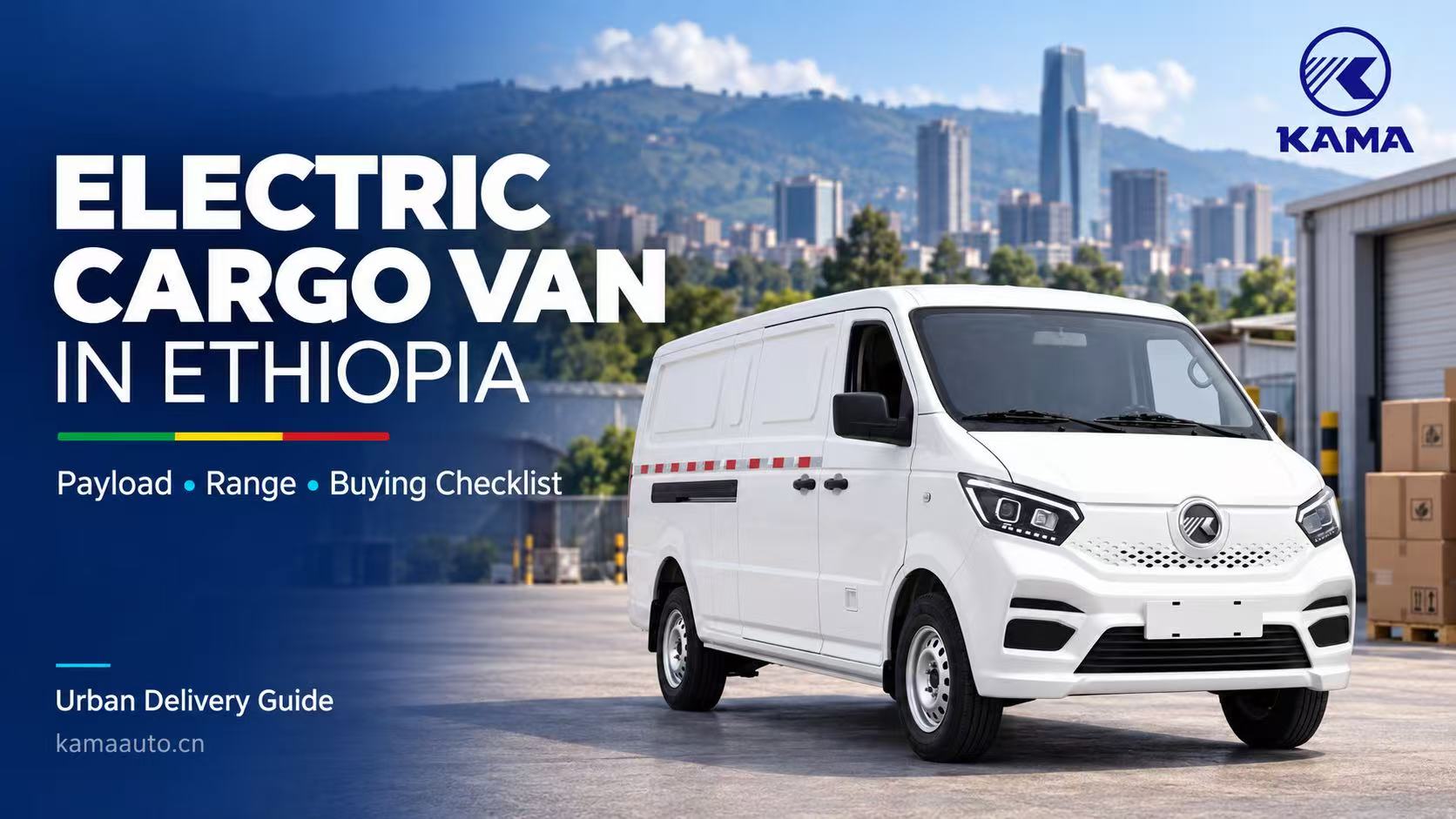
Electric cargo vans are one of the most suitable EV categories for emerging markets. They are compact, practical and easy to position for business users.
A cargo van can serve many industries, including courier delivery, supermarket distribution, pharmacy logistics, spare parts delivery, service teams, small business transport and city cargo movement.
For importers, electric cargo vans are also easier to explain to customers. The value is clear: cargo space, lower daily energy cost, clean fleet image and practical city operation.
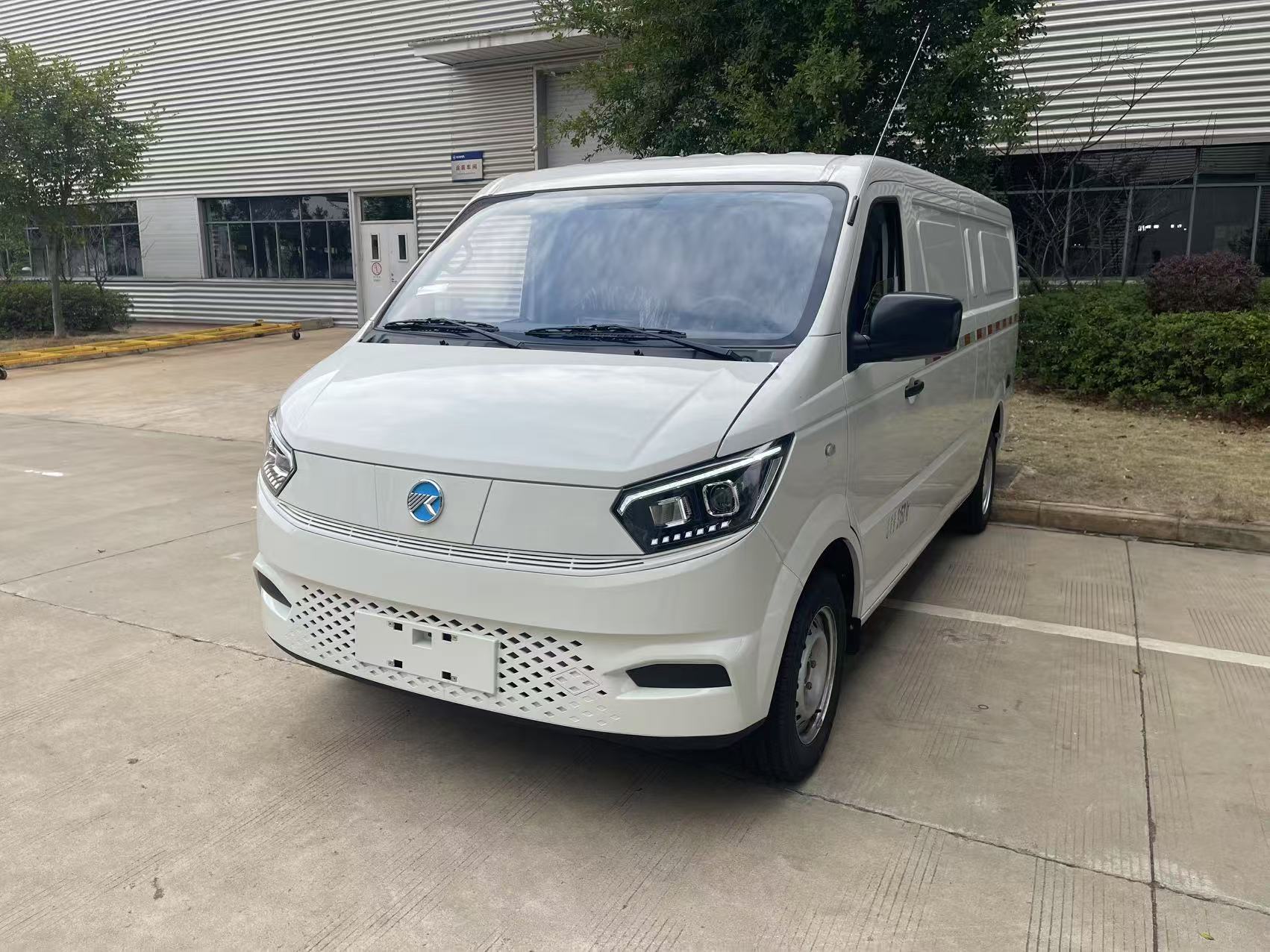
KAMA electric cargo van models such as ES6, ES7 and ES8 can support different cargo volume requirements, battery options and market positioning. For buyers who want to build an electric commercial vehicle product line, cargo vans are often a strong starting point.
4. EV Mini Trucks Support Flexible Business Applications
Besides electric vans, EV mini trucks are gaining attention from distributors and fleet buyers.
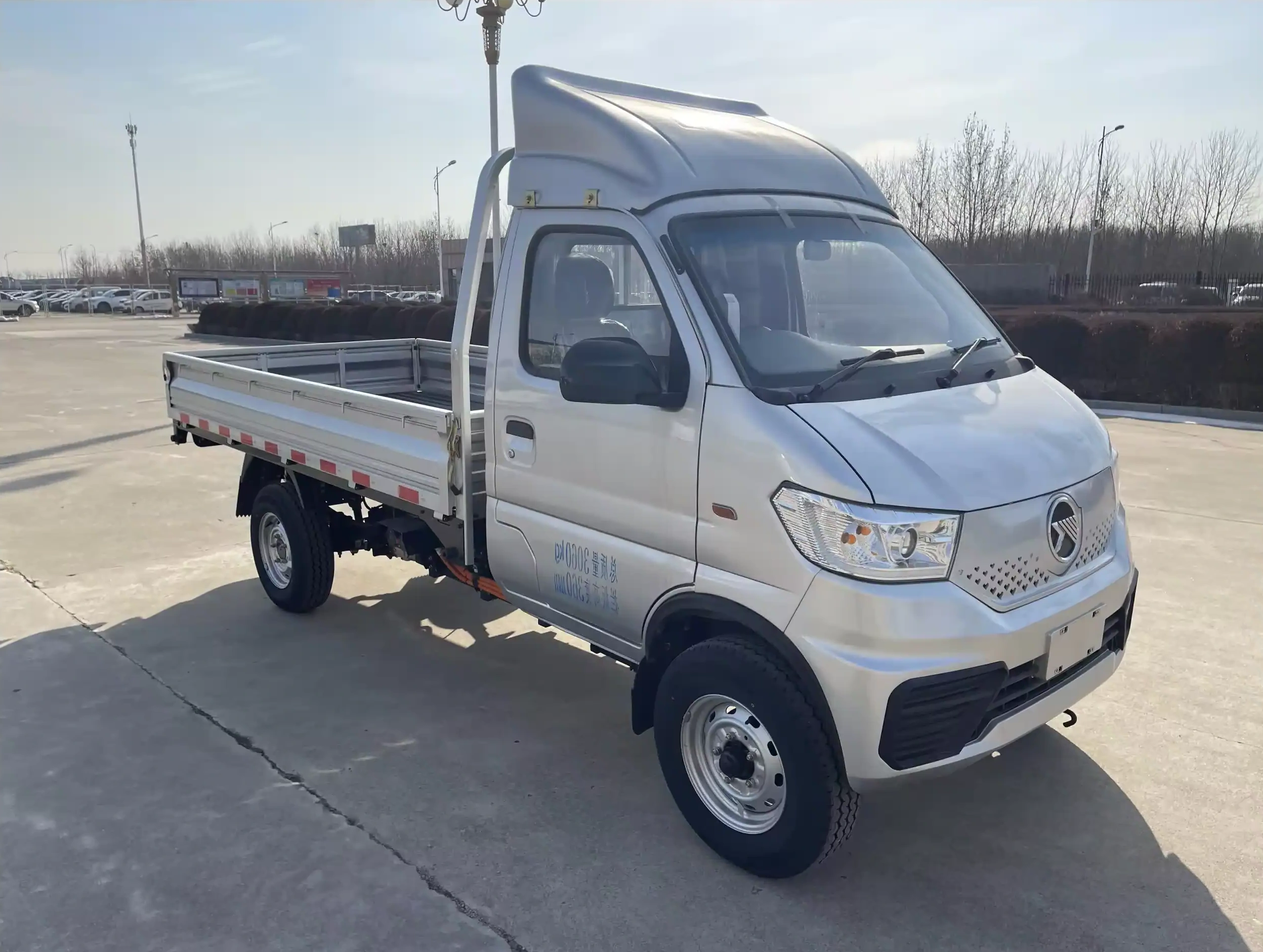
In many developing markets, small commercial trucks are widely used by farmers, shop owners, logistics companies, construction suppliers and municipal service providers. An electric mini truck can serve similar daily tasks while offering a lower-energy solution for short-distance transport.
Typical applications include:
agricultural product delivery
small business cargo transport
urban logistics
industrial park operation
municipal maintenance
port and warehouse movement
local distributor delivery
light-duty project transport
For distributors, EV mini trucks can help cover a different customer group from cargo vans. A complete product lineup can include both enclosed vans and open cargo trucks, allowing local dealers to serve more market segments.
5. CKD and SKD Cooperation Is Becoming More Important
Another important trend in 2026 is local assembly. Some importers are not only looking for finished vehicles. They are also exploring CKD and SKD cooperation to reduce import barriers, develop local assembly capability and build long-term market competitiveness.
For markets with higher tariffs on complete vehicles, CKD or SKD projects may provide a more flexible path. They can also help local partners create jobs, improve after-sales capability and strengthen their position with government or fleet customers.
For electric vehicles, local assembly cooperation is especially attractive when the market is still developing. Importers may start with complete units for market testing, then move toward SKD or CKD cooperation after confirming demand.
KAMA Auto can discuss project-based cooperation with qualified partners, including product selection, vehicle configuration, spare parts planning, technical communication and long-term export support.
6. What Buyers Should Confirm Before Importing Electric Commercial Vehicles
Choosing the right electric commercial vehicle is not only about selecting a model. Buyers should confirm whether the vehicle can match local operation conditions.
Before placing an order, importers and fleet buyers should prepare the following information:
Target country and driving side requirement
Main application: cargo, passenger, delivery, municipal service or fleet operation
Required cargo volume or passenger capacity
Estimated daily mileage
Road conditions and climate
Charging standard and charging environment
Battery requirement
Spare parts demand
Initial order quantity
Need for CKD or SKD cooperation
With this information, a professional supplier can recommend a suitable model instead of offering only a generic quotation.
For commercial vehicles, correct matching is very important. A vehicle with a low purchase price may not be the best choice if it does not fit the route, loading demand, charging condition or local registration requirement.
7. Why KAMA Auto Is a Practical Partner for Global Importers
KAMA Auto focuses on commercial vehicle export solutions, including electric cargo vans, EV mini trucks, electric light trucks, electric minibuses, gasoline mini vans, diesel light trucks and customized commercial vehicle solutions.
For global partners, the value of working with KAMA is not only the vehicle itself. KAMA can support buyers with product selection, export configuration, spare parts planning, documentation support and project communication.
For distributors in Africa, the Middle East, Latin America, Central Asia and Southeast Asia, KAMA can help build a more complete commercial vehicle lineup for both electric and fuel vehicle demand.
This is especially useful for partners who want to develop the market step by step:
first test the market with selected models
collect feedback from fleet users
build spare parts support
expand into bulk orders
explore CKD or SKD cooperation
develop long-term local sales channels
Conclusion
In 2026, fuel cost pressure, urban logistics demand and local assembly opportunities are creating stronger interest in left-hand drive electric commercial vehicles.
Electric cargo vans, EV mini trucks and electric minibuses are becoming practical options for importers, distributors and fleet buyers who want to reduce fuel dependency and build a modern commercial vehicle lineup.
For buyers looking for a reliable China electric commercial vehicle supplier, KAMA Auto can provide export-ready LHD vehicles and project-based cooperation support.
Contact KAMA Auto today to discuss suitable electric vans, EV mini trucks, light-duty trucks or CKD/SKD cooperation solutions for your market.