Welcome to KAMA Auto
KAMA Refrigerated Truck Applications: Seafood Transport Selection Guide
A refrigerated truck for seafood transport must match the product, the handling process and the delivery route. Keeping already chilled or frozen seafood at its required transport condition is a different task from freezing a fresh catch. Buyers should establish which task is needed before selecting the vehicle and refrigeration equipment.
Separate refrigeration from processing
Do not assume that a transport refrigeration unit can quickly freeze a newly loaded batch. If on-site freezing is required, ask for a separate engineered system specification and a validated process for the actual product and load. Research or patent information alone does not demonstrate that a feature is fitted to a production vehicle.
Choosing a refrigerated truck for seafood transport
Product condition: identify whether the load is chilled, frozen or live seafood, together with the required handling conditions. These are different applications.
Loading process: specify product temperature at loading, packaging, batch size and loading duration.
Body and refrigeration: confirm insulation, door seals, airflow and unit performance at the expected ambient conditions.
Working route: include driving time, delivery stops, waiting periods and door-opening frequency.
Usable payload: account for the insulated body, refrigeration equipment, packaging and any other fittings within the finished vehicle's limits.
Power and monitoring: check refrigeration power during driving and stops, temperature recording and the response to a fault.
Agree the temperature and hygiene requirements with the buyer's food-safety team and destination authorities. A vehicle brochure does not replace product-specific handling requirements. Request commissioning and loaded performance checks using the intended delivery pattern.
Review a KAMA base vehicle and body proposal separately
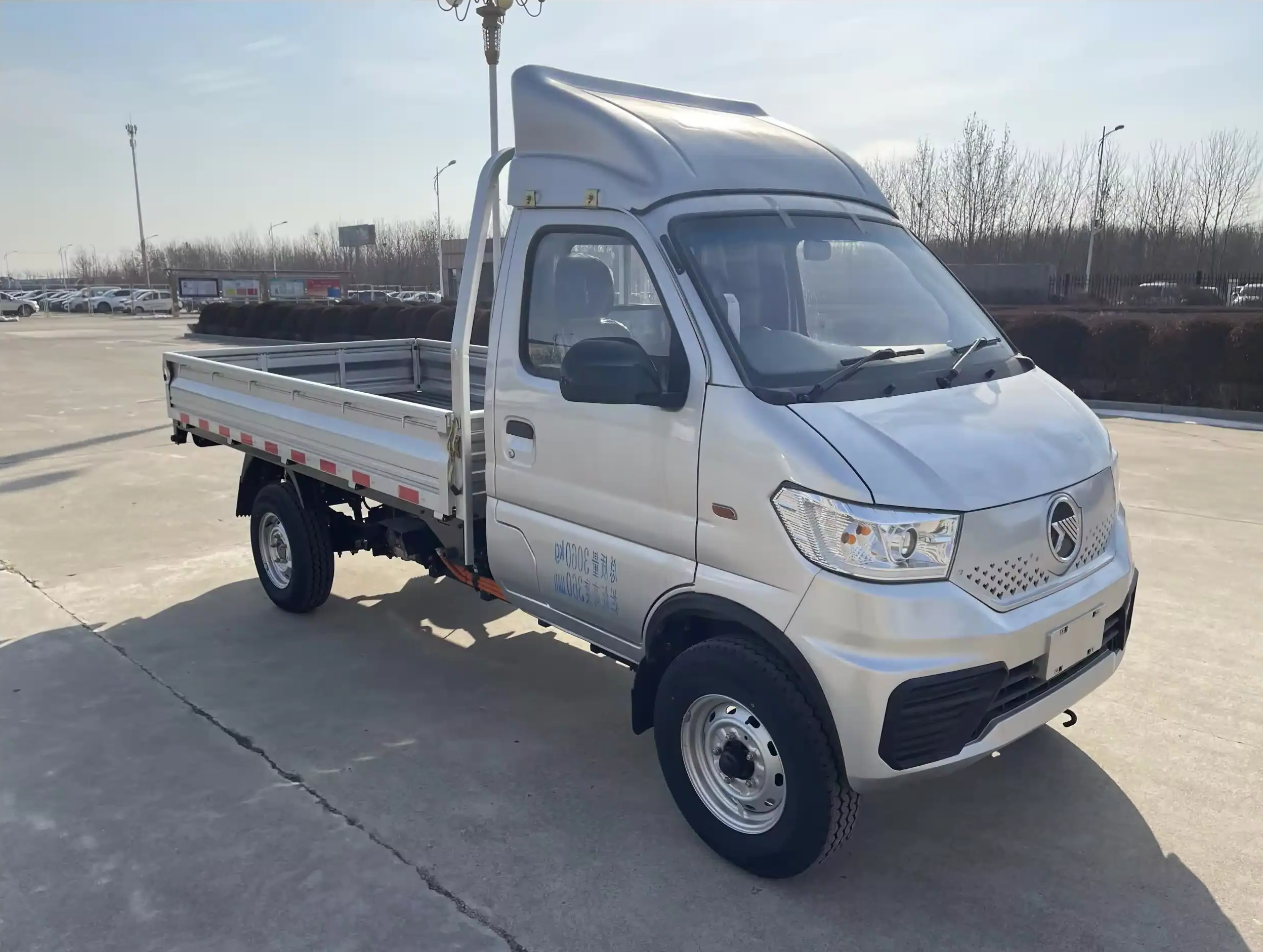
The KAMA X-Series light truck is listed with a refrigerated-container option and can be used as a starting point for a project enquiry. Confirm the complete chassis, insulated body, refrigeration unit and finished loading limits. This reference does not imply that a flash-freezing system is standard equipment.
Prepare a seafood logistics enquiry
Send the destination country, seafood type, condition at loading, required transport conditions, packaging, load weight and volume, route duration, delivery stops and available power. Request a configuration and test plan for that duty, together with the maintenance and parts support required to keep the vehicle in operation.