Welcome to KAMA Auto
- September 06, 2026
Ethiopia Electric Commercial Vehicle Market 2026:Import Policy, CKD/SKD and Distributor Opportunitiy
Ethiopia is becoming one of the most distinctive electric vehicle markets in Africa.
Unlike many emerging markets where electric mobility is still mainly driven by private consumer demand, Ethiopia is attempting a broader transition involving vehicle imports, public transportation, commercial fleets, charging infrastructure and local vehicle assembly.
For commercial vehicle distributors, fleet operators and automotive investors, this creates an important question:
Where do electric commercial vehicles fit into Ethiopia's transportation transition, and how should a long-term market strategy be structured?
In 2026, this question is becoming increasingly relevant.
Ethiopia has developed an official E-Mobility Strategy and Implementation Plan 2025–2030, which places electric mobility, charging infrastructure and sustainable transport within the country's long-term transportation strategy. The Ministry of Transport and Logistics describes the plan as a framework for expanding electric mobility and integrating charging infrastructure into urban development.
For commercial vehicle companies, however, policy alone does not determine market success.
Vehicle suitability, operating routes, charging, payload, local service capability, spare parts and future localization all need to be evaluated together.
Why Ethiopia Matters for Electric Commercial Vehicles
Ethiopia has several characteristics that make it different from many other African automotive markets.
The country is looking for ways to reduce its dependence on imported petroleum products while making greater use of domestically generated electricity.
At the same time, growing cities require more vehicles for:
Urban distribution
Retail delivery
Agricultural logistics
Construction
Industrial transportation
Municipal operations
Passenger transport
Small-business logistics
These applications create a potential role for electric commercial vehicles.
But the opportunity should not be interpreted as:
“Every commercial vehicle in Ethiopia should become electric.”
A more practical approach is to identify the operating scenarios where electrification already makes commercial sense.
For example, a delivery truck operating a predictable route inside Addis Ababa has very different energy requirements from a truck travelling long distances between regions.
That distinction should guide vehicle selection.
Ethiopia's 2025–2030 E-Mobility Strategy Changes the Market Direction
Ethiopia's current E-Mobility Strategy gives the market a clearer long-term direction.
The strategy emphasizes electric mobility deployment, charging infrastructure and closer integration between transport planning and sustainable urban development.
This is important for commercial vehicle distributors because automotive markets usually develop in stages.
First comes policy.
Then infrastructure develops.
Then vehicle availability increases.
After that, fleet users begin collecting real operating data.
Eventually, local service, parts and assembly capacity become increasingly important.
Ethiopia is now moving through several of these stages simultaneously.
For companies entering the market, this means the opportunity is no longer limited to importing individual electric vehicles.
The broader business may include:
Vehicle sales
Fleet solutions
Charging planning
After-sales
Spare parts
Local assembly
That creates a more sophisticated market than a simple vehicle trading business.
Commercial Vehicles May Be One of the Most Practical EV Applications
Commercial vehicles can have an important advantage over private EVs:
their daily operating pattern is often more predictable.
A logistics company may know:
Where the vehicle starts
Where it finishes
Approximate daily mileage
Typical cargo weight
Parking time
Charging location
This makes energy planning easier.
For example, an electric mini truck operating a fixed city distribution route can return to the same warehouse every evening.
The fleet can then calculate whether overnight charging is sufficient before purchasing the vehicle.
This is much easier to plan than an unpredictable long-distance vehicle.
Potential Ethiopian applications may include:
Urban Delivery
Retail goods, food, parcels and general cargo.
FMCG Distribution
Warehouse-to-store and city distribution.
Agricultural Logistics
Short-distance transportation of agricultural products.
Industrial Operations
Factories, industrial parks and controlled logistics routes.
Municipal Fleets
Selected urban service applications.
Passenger Operations
Fixed-route staff, hotel or commercial shuttle services where charging can be planned.
The key is to match the powertrain with the operating scenario.
Electric Mini Trucks Could Play an Important Role
Compact electric trucks may be particularly relevant to Ethiopia's urban commercial vehicle market.
These vehicles can serve businesses that need more carrying capacity than a small passenger vehicle but do not require a large truck.
Typical users may include:
Small distributors
Supermarkets
Agricultural businesses
Construction suppliers
Local delivery companies
Service companies
SMEs
For these buyers, important specifications include:
Payload
Cargo body dimensions
Daily mileage
Battery capacity
Charging time
Ground clearance
Road conditions
A distributor should therefore avoid selecting an electric mini truck based only on advertised driving range.
A vehicle carrying a full commercial load under real traffic conditions can perform differently from a laboratory test.
For fleet procurement, practical duty-cycle analysis is more useful than a single range figure.
Electric Light Trucks Address Larger Fleet Applications
Where higher payload is required, electric light trucks may become more relevant.
Possible applications include:
Urban distribution fleets
Box-body logistics
Industrial transportation
Refrigerated delivery
Municipal projects
Large retail distribution
The larger the vehicle, however, the more important payload and energy consumption become.
A fleet buyer should calculate:
Average cargo weight
Maximum cargo weight
Daily route
Number of stops
Driving speed
Terrain
Air-conditioning or refrigeration load
Charging time
Only after these variables are understood should battery capacity be selected.
A larger battery is not automatically the best answer.
A larger battery may improve available energy, but it also adds:
Weight
Cost
Charging demand
The objective is therefore to identify the appropriate battery, not simply the largest possible battery.
Cargo Vans and Passenger Vans Create Another EV Opportunity
Electric vans are also relevant to Ethiopia because one vehicle platform can support several business applications.
Cargo vans can serve:
Parcel delivery
Pharmaceutical distribution
Service fleets
Food distribution
Retail logistics
Passenger vans can support:
Staff transportation
Hotel shuttles
Corporate transport
Tourism
Fixed-route passenger services
For passenger vehicles, air-conditioning demand, passenger load and route length need to be incorporated into the range calculation.
Commercial vehicle procurement should therefore be based on the complete operating scenario rather than brochure specifications alone.
Charging Infrastructure Must Be Part of the Vehicle Project
One of the biggest mistakes in electric fleet procurement is treating the charger as an accessory purchased after the vehicle.
Charging should be planned before the vehicles are ordered.
A fleet operator should understand:
Number of vehicles
Battery capacity per vehicle
Daily energy consumption
Vehicle arrival time
Required departure time
Electricity capacity at the site
Number of chargers
Future fleet expansion
For a return-to-base fleet, depot charging may often be more important than public charging.
Consider a fleet where vehicles return to the warehouse every evening.
The question is not:
What is the fastest charger available?
The correct question is:
How much charging power does the fleet actually need to restore the energy consumed during the working day?
This approach can reduce unnecessary infrastructure investment.
Ethiopia's national strategy itself identifies charging infrastructure as an important component of the country's electric mobility transition.
Battery Selection Should Reflect Ethiopian Operating Conditions
Battery brand is important, but fleet buyers should evaluate more than the brand name.
Important battery-related questions include:
Battery chemistry
Usable capacity
Thermal management
Charging power
Vehicle weight
Battery protection
Diagnostic capability
Spare-part support
Temperature, load and route conditions can all affect actual driving range.
For this reason, a distributor should collect customer operating information before recommending a vehicle.
A useful fleet questionnaire should include:
Daily Mileage:
Average Payload:
Maximum Payload:
Road Type:
Charging Location:
Operating Hours:
Cargo Type:
Expected Fleet Size:
This makes the vehicle recommendation much more reliable.
Import Regulation Should Be Confirmed Before Final Vehicle Selection
Ethiopia's policy direction strongly favors electric mobility, but distributors should still avoid assuming that every electric vehicle can automatically be imported and registered.
Before finalizing a vehicle order, the importer should confirm the latest requirements related to:
Vehicle category
Import procedures
Technical standards
Registration
Documentation
Vehicle identification
Battery-related requirements
Local conformity requirements
Regulations can evolve as the market develops.
For this reason, the importer and manufacturer should confirm the current regulatory pathway for the exact model before production.
A professional vehicle project should connect:
Market Requirement → Vehicle Specification → Compliance Check → Production → Export Documentation
rather than checking compliance only after the vehicle is completed.
Why SKD and CKD Matter in Ethiopia
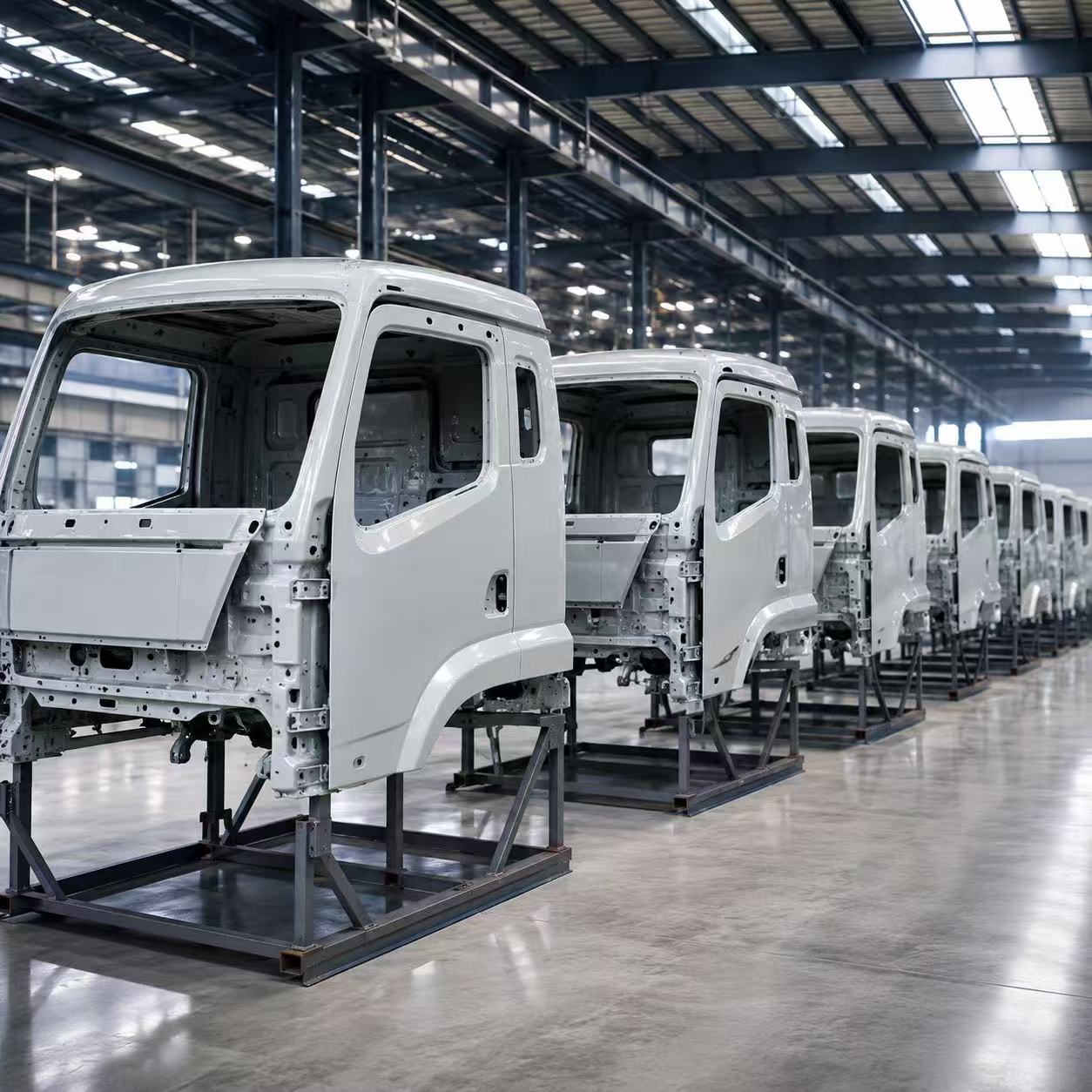
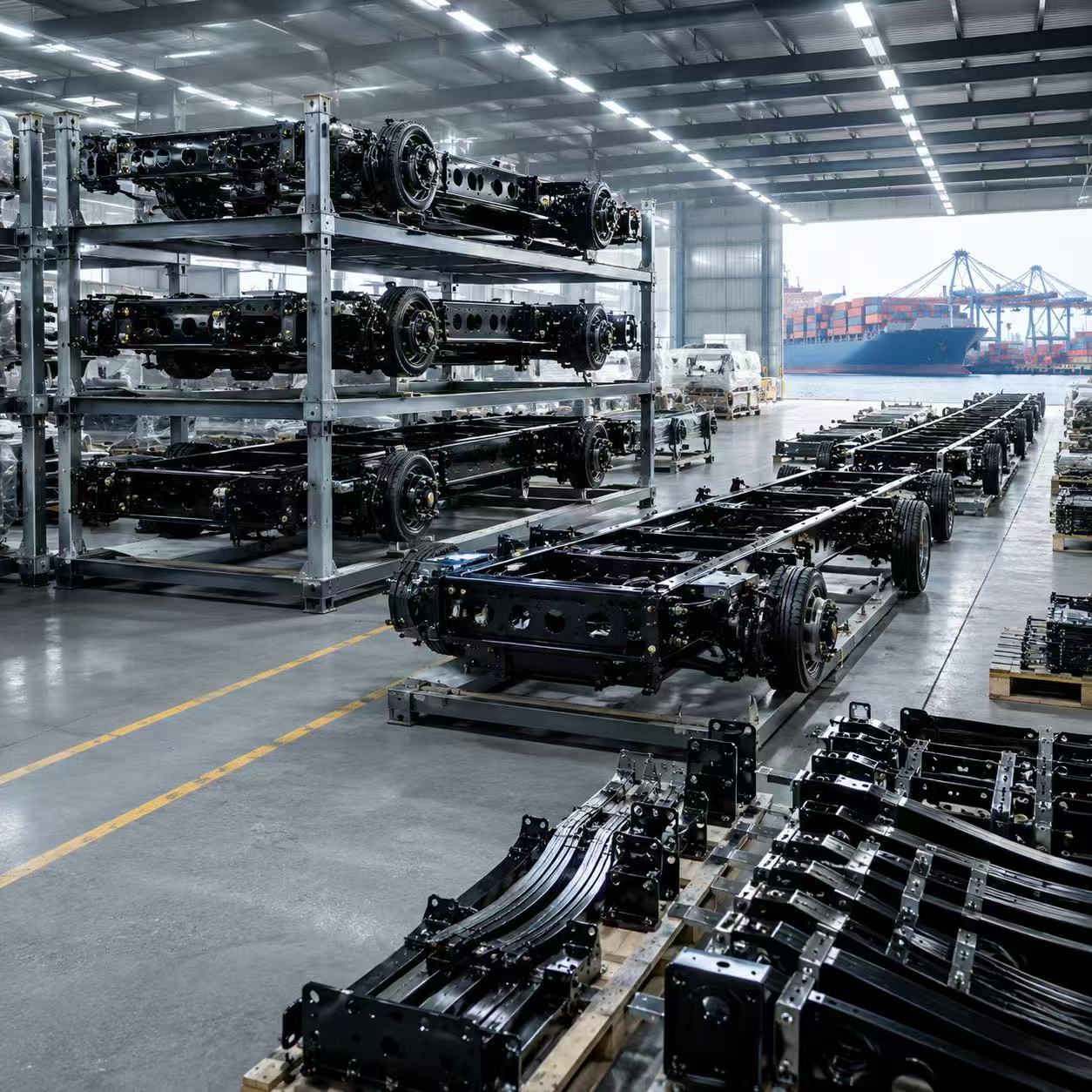
One of the most important long-term opportunities in Ethiopia is localization.
For a new distributor, complete vehicle imports may be the simplest way to introduce a product and collect market feedback.
But once annual volume increases, local assembly may become strategically relevant.
This is where SKD and CKD cooperation enters the discussion.
CBU
CBU means Complete Built Unit.
The complete vehicle is produced abroad and imported into Ethiopia.
This method is usually the simplest for:
Initial market testing
Demonstration vehicles
Fleet pilots
New model introduction
Early distributor development
It requires less local industrial investment.
SKD
SKD means Semi Knocked Down.
Some assemblies are shipped separately and completed locally.
SKD may help a growing distributor develop:
Local technical capability
Assembly experience
Employment
Spare-parts management
Better product understanding
A path toward deeper localization
However, SKD requires more organization than CBU.
The local partner needs facilities, technicians, tools and quality-control procedures.
CKD
CKD means Completely Knocked Down.
CKD involves a much deeper local manufacturing and assembly process.
A CKD project may require:
Production facilities
Assembly equipment
Technical documentation
Component management
Technician training
Quality inspection
Parts warehousing
Production planning
CKD should therefore be treated as an industrial project—not simply as another method of shipping vehicles.
CBU vs SKD vs CKD: Which Strategy Fits the Market?
There is no universal answer.
| Factor | CBU | SKD | CKD |
|---|---|---|---|
| Market entry speed | High | Medium | Lower |
| Initial investment | Low | Medium | High |
| Local technical capability | Low | Medium | High |
| Localization potential | Low | Medium | High |
| Suitable for pilot | Excellent | Possible | Usually not |
| Suitable for long-term assembly | Limited | Good | Strong |
| Project complexity | Low | Medium | High |
For most new distributors, the safest progression is often:
CBU
↓
Market Validation
↓
Fleet Orders
↓
After-Sales Network
↓
Increasing Annual Volume
↓
SKD Evaluation
↓
CKD / Local Assembly
The transition should follow real sales volume and local capability.
A Fleet Pilot Can Reduce Procurement Risk
A company planning a large fleet does not necessarily need to begin with the entire annual volume.
A controlled pilot allows the buyer to collect local operating data.
The fleet can evaluate:
Actual driving range
Electricity consumption
Payload
Driver feedback
Charging time
Maintenance
Route completion
Vehicle availability
This is particularly useful for electric commercial vehicles.
For example, a fleet planning 50 vehicles may first evaluate a smaller group on real delivery routes.
The buyer can then adjust:
Battery configuration
Cargo body
Charging equipment
Spare parts
Driver training
before expanding the project.
This makes large-scale procurement more controlled.
Spare Parts and After-Sales Must Be Planned Before Volume Grows
Commercial vehicle customers judge a brand differently from private car customers.
If a delivery truck stops working, the customer may immediately lose revenue.
For this reason, vehicle sales and after-sales should grow together.
A distributor should prepare:
Common service parts
Wear parts
Diagnostic tools
Technical manuals
Maintenance procedures
Parts identification
Trained technicians
Fault escalation process
For electric commercial vehicles, technical support may also need to cover:
Battery system
BMS
Motor
Motor controller
Charging system
High-voltage components
A strong local after-sales system can become one of the most important competitive advantages for a commercial vehicle distributor.
Distributor Capability Matters in Ethiopia
A long-term automotive market cannot be built only by exporting vehicles.
Local distribution capability is essential.
A serious commercial vehicle distributor should ideally develop:
Vehicle sales capability
Market development
Fleet customer relationships
Spare-parts inventory
Workshop support
Technician capability
Customer training
Vehicle registration knowledge
Long-term sales planning
For manufacturers, distributor selection should therefore involve more than checking the first order quantity.
Important questions include:
Does the partner understand the local vehicle market?
Can the partner build after-sales capability?
Does the partner have fleet customers?
Can the partner eventually support local assembly?
These factors determine whether a market can develop sustainably.
KAMA Has Established Local Distributor Cooperation in Ethiopia
For KAMA, Ethiopia is no longer only a market under evaluation.
KAMA has established an authorized distributor partnership in Ethiopia as part of its long-term development strategy for the market.
The purpose of this local cooperation is not limited to vehicle sales.
A sustainable commercial vehicle market also requires:
Local market development
Customer communication
After-sales preparation
Spare-parts support
Fleet project evaluation
Technical coordination
As market volume develops, deeper localization and assembly cooperation can also be evaluated according to project scale, regulatory requirements and local partner capability.
This local distributor structure gives KAMA a stronger foundation for understanding actual Ethiopian customer requirements rather than approaching the country only through remote export sales.
KAMA Commercial Vehicle Solutions for Ethiopia
KAMA's commercial vehicle portfolio covers several categories that can be evaluated for Ethiopian applications.
These include:
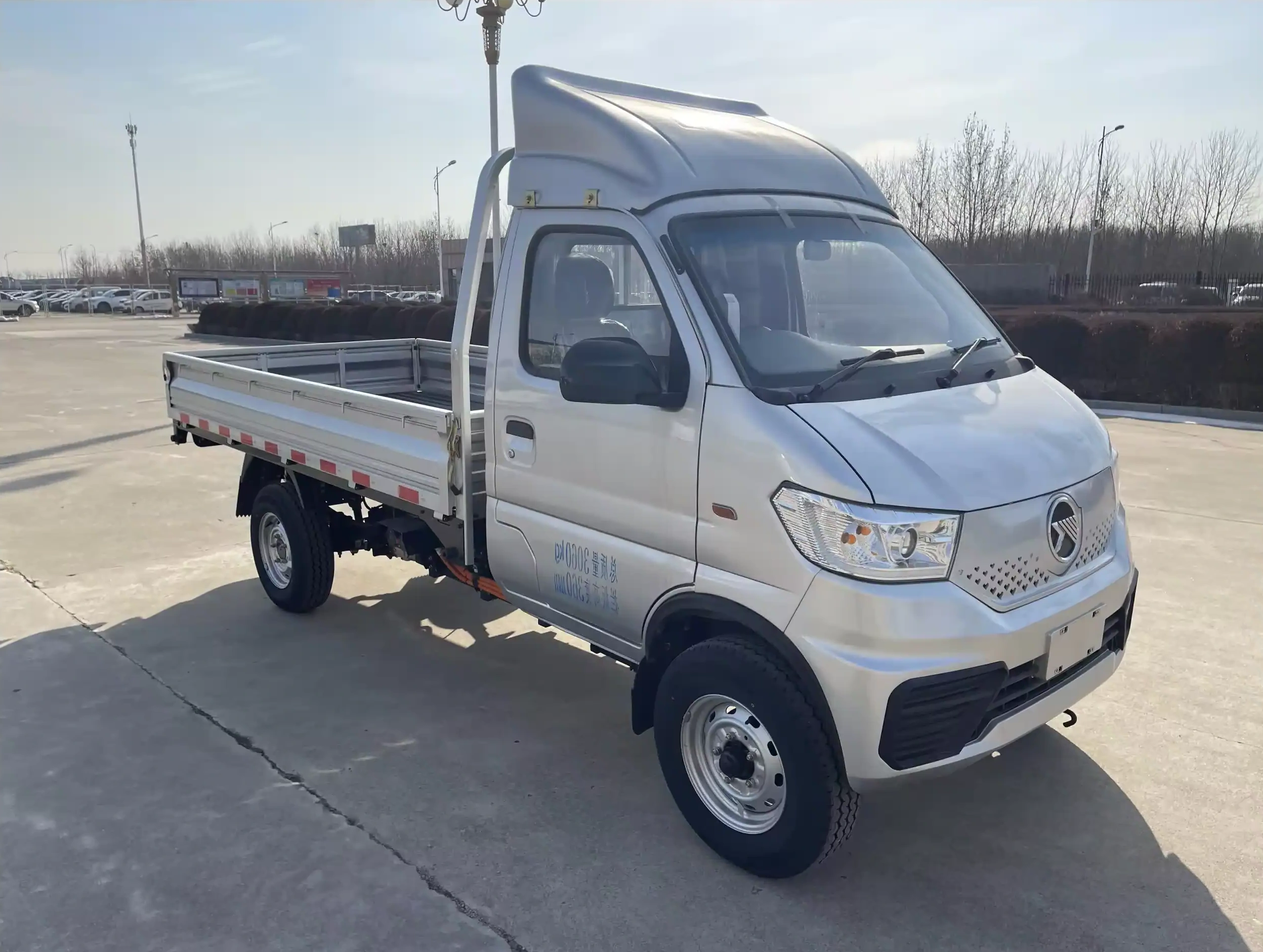
Electric Mini Trucks
For urban delivery, SMEs and light commercial transportation.
Electric Light Trucks
For larger logistics and distribution fleets.
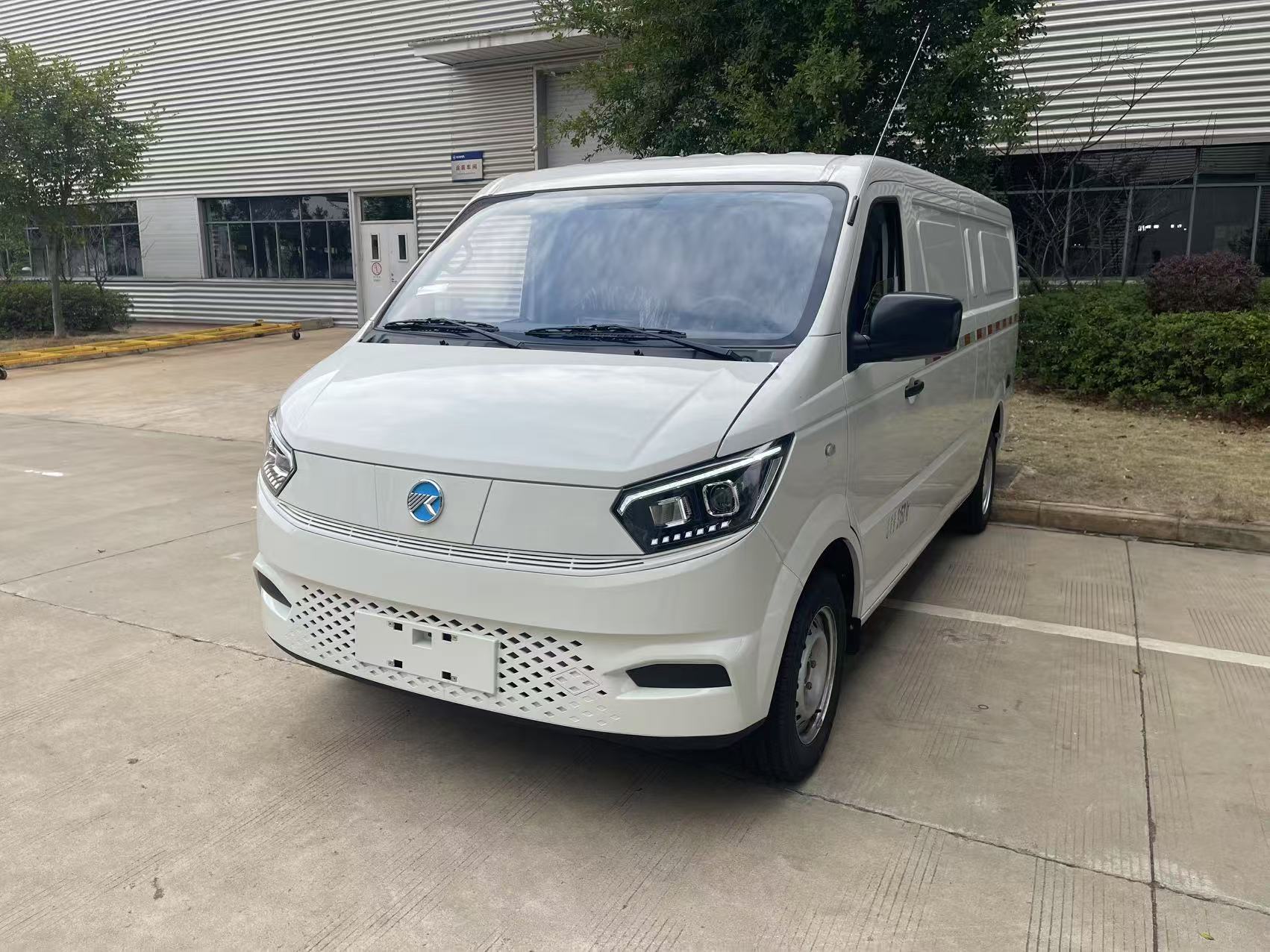
Electric Cargo Vans
For enclosed urban cargo transportation.
Electric Passenger Vans and Minibuses
For selected shuttle and passenger applications.
Chassis and Specialized Vehicles
For projects requiring specific body applications.
The suitable vehicle depends on:
Payload
Route
Battery requirement
Charging infrastructure
Road conditions
Quantity
Local regulatory requirements
KAMA therefore recommends confirming the operating scenario before final model selection.
From Vehicle Sales to Long-Term Local Cooperation
The most important opportunity in Ethiopia may not be the first vehicle order.
It may be the ability to build a complete commercial vehicle ecosystem.
A long-term development path could include:
This approach aligns vehicle sales with local capability and real market demand.
It also reduces the risk of investing in localization before sufficient sales volume exists.
Ethiopia Is Moving From EV Policy to Commercial Implementation
Ethiopia's electric mobility transition is entering a more practical phase.
The national policy framework is becoming clearer, charging infrastructure is receiving greater attention, and electric vehicles are increasingly becoming part of the country's transport strategy.
For commercial vehicle distributors and fleet buyers, the market opportunity is therefore changing.
The question is no longer simply:
Will Ethiopia adopt electric vehicles?
A more useful question is:
Which commercial vehicle applications can already operate economically with electric power, and how can distributors build the service, charging and localization capability needed to support them?
That distinction will be important as the Ethiopian market develops.
Companies that focus only on importing vehicles may capture short-term sales.
Companies that combine the correct vehicle platform with local distribution, fleet support, spare parts and eventually local assembly may be better positioned for long-term growth.
Planning an Electric Commercial Vehicle Project in Ethiopia?
KAMA works with local partners, fleet customers and commercial vehicle buyers to evaluate suitable vehicle solutions for the Ethiopian market.
For project evaluation, customers can provide:
Based on the confirmed operating requirements, KAMA and its local distributor can evaluate suitable commercial vehicle options and potential cooperation models.
Final vehicle configuration, regulatory compliance, production feasibility and commercial terms should be confirmed according to the specific project.
Product Categories
Popular Products


Copyright ©2024 All Rights Reserved by Kama Automobile Manufacturing Co.,Ltd.