Welcome to KAMA Auto
Commercial Vehicle Fleet Renewal in Emerging Markets: 2026 Guide for Importers and Distributors
Commercial Vehicle Fleet Renewal in Emerging Markets: 2026 Guide for Importers and Distributors
Commercial vehicle fleet renewal is becoming an important topic in many emerging markets. As old vehicles become less efficient, more expensive to maintain and less suitable for modern logistics, importers and distributors are looking for practical replacement options.
For many markets, fleet renewal does not only mean switching to electric vehicles. It may also include replacing old mini trucks, upgrading cargo vans, introducing more efficient light trucks, adding passenger vans or testing electric commercial vehicles for selected routes.
For commercial vehicle distributors, this creates a clear opportunity. The key is to understand which customers need fleet renewal, what vehicle types are suitable, and how to build a product lineup that matches local road conditions, budgets and operating habits.
Why Fleet Renewal Matters in Emerging Markets
In many developing markets, commercial vehicles are used for long service periods. Mini trucks, vans and light trucks may continue working for years in delivery, agriculture, construction, retail distribution and passenger transport.
However, old vehicles can create several problems for business users. They may consume more fuel, require more repairs, lose working time due to breakdowns and fail to meet changing customer expectations.
For fleet buyers, vehicle downtime directly affects business income. A delivery company may lose orders if vehicles cannot operate on schedule. A construction supplier may delay materials. A passenger transport operator may lose customers if vehicles are uncomfortable or unreliable.
This is why fleet renewal is not only a vehicle purchase decision. It is also an operating efficiency decision.
Which Buyers Need Commercial Vehicle Fleet Renewal?
Fleet renewal can apply to different customer groups.
Small business owners may need to replace old mini trucks used for retail delivery, market transport, small construction material delivery or agricultural product movement.
Logistics companies may need new cargo vans or light trucks for parcel delivery, warehouse-to-store transport and regional distribution.
Passenger transport operators may need passenger vans or minibuses for staff shuttle, school transport, hotel transfer and local passenger routes.
Municipal contractors may need vehicles for city service, maintenance, waste collection support, park management or utility work.
Commercial vehicle distributors may also build a renewal program for local customers who already own old trucks and vans but need newer, more efficient models.
Mini Trucks: Replacing Old Small Cargo Vehicles
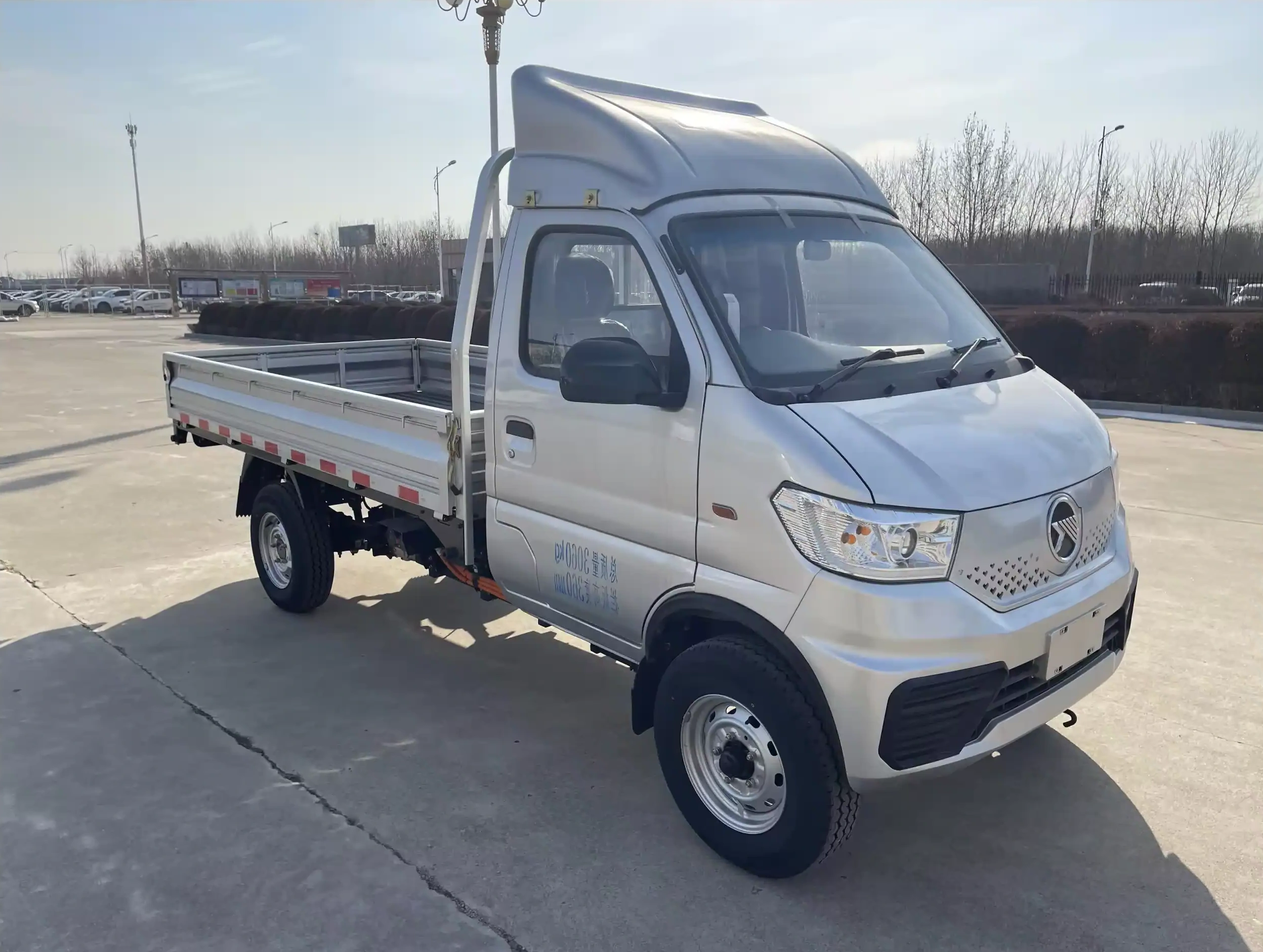
Mini trucks are often the first choice for small business fleet renewal. They are practical for local delivery, shop supply, fresh food transport, agricultural goods, market logistics and light cargo movement.
For many customers, the goal is not to buy the largest truck. They need a vehicle that is affordable, flexible and easy to operate on local roads.
When replacing old small cargo vehicles, importers should check payload requirement, cargo size, road condition, maintenance ability and customer budget.
Mini trucks can be suitable for buyers who operate in cities, towns, local markets and mixed urban-rural routes. For distributors, this segment can bring a wide customer base because many small businesses need practical vehicles for daily income generation.
Cargo Vans: Upgrading Enclosed Delivery Fleets
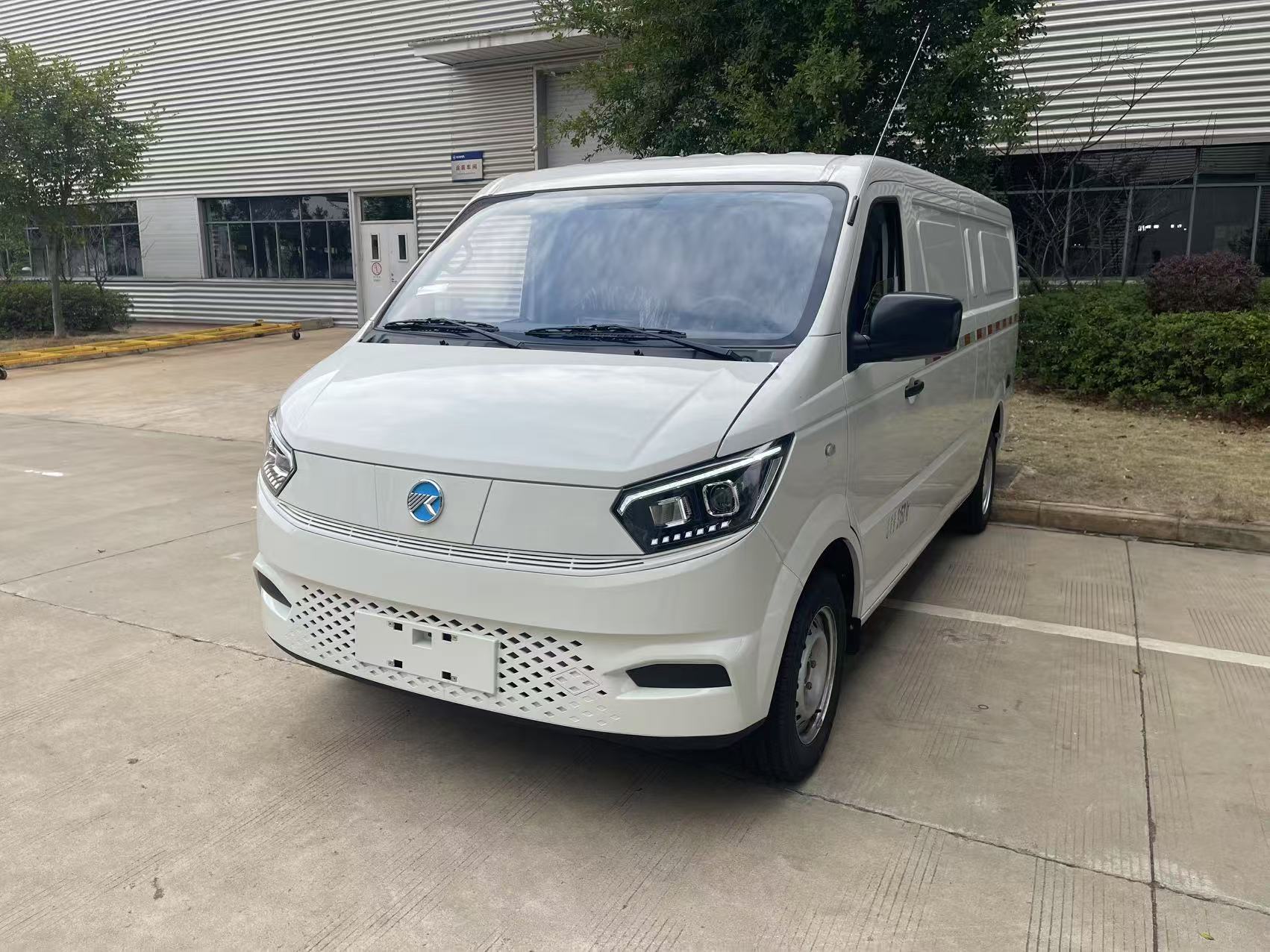
Cargo vans are suitable for customers who need enclosed cargo space and better protection for goods.
Compared with open cargo vehicles, vans can protect parcels, retail goods, tools, medicine, food packages and service equipment from rain, dust and theft risks. This makes cargo vans useful for e-commerce delivery, supermarket distribution, pharmacy delivery, repair service teams and urban logistics.
When renewing a cargo van fleet, buyers should consider cargo volume, loading convenience, door design, route distance, fuel or battery requirement and after-sales support.
For distributors, cargo vans are valuable because they can serve professional fleet customers. These customers may care about reliability, cargo protection and brand image, not only the lowest price.
Light Trucks: Upgrading Heavier Commercial Operations
Light trucks are suitable for customers who need stronger load capacity and more flexible cargo body options.
They can be used for construction materials, regional distribution, agriculture, municipal service, box body logistics, refrigerated delivery and other commercial applications.
When replacing old light trucks, buyers should check payload, gross vehicle weight, cargo body type, chassis strength, suspension, tires, braking system and local registration rules.
For many emerging markets, road conditions may be more complex than in developed markets. This means buyers should not only compare engine type or price. They should also consider durability, service access and spare parts planning.
EV or Fuel Vehicle: How to Choose During Fleet Renewal
Fleet renewal does not mean every buyer should immediately choose electric vehicles. The right powertrain depends on the market and usage scenario.
Electric commercial vehicles can be suitable for short-distance delivery, fixed routes, industrial parks, campus transport, hotel shuttle, municipal service and return-to-base fleet operation. These applications are easier to manage because route distance and charging location can be planned.
Gasoline or diesel vehicles may still be more practical for long-distance routes, rural areas, uncertain daily mileage, heavy cargo or markets where charging infrastructure is not ready.
CNG vehicles can also be considered in markets where natural gas refueling infrastructure is available and customers want an alternative fuel option.
For distributors, the best strategy is to offer a balanced portfolio. Different customers need different solutions, and one powertrain cannot serve every application.
What Importers Should Confirm Before Starting a Fleet Renewal Project
Before recommending replacement vehicles, importers and distributors should collect basic information from the customer.
First, confirm the current vehicle type. Is the customer replacing mini trucks, vans, light trucks, passenger vans or special-purpose vehicles?
Second, confirm the reason for replacement. The reason may be fuel cost, maintenance cost, downtime, capacity shortage, emissions rules, business expansion or customer image.
Third, confirm the main usage scenario. Delivery, construction, agriculture, passenger transport and municipal service require different vehicle configurations.
Fourth, confirm road condition and daily mileage. These two factors strongly affect powertrain choice, battery capacity, suspension and tire requirements.
Fifth, confirm payload or passenger capacity. The replacement vehicle should match real operating needs, not only price expectations.
Sixth, confirm local registration and import requirements. Vehicle regulations, certification and tax policies may vary by destination country.
Seventh, confirm after-sales and spare parts planning. Fleet renewal projects require service preparation before large-scale delivery.
How Distributors Can Build a Fleet Renewal Sales Strategy
For distributors, fleet renewal can become a structured sales opportunity.
Instead of only waiting for new buyers, distributors can target existing vehicle owners who already operate old trucks, vans or minibuses. These customers may already understand the value of commercial vehicles and may be more willing to purchase replacement units if the solution is practical.
A strong fleet renewal strategy can include:
identifying old vehicle segments in the market, comparing operating problems, recommending suitable replacement models, preparing spare parts packages, explaining service support, and discussing long-term supply plans.
For larger fleet buyers, distributors should also prepare a phased replacement plan. Customers may not replace all vehicles at once. They may start with a pilot order, test one or two models, and then expand after confirming local performance.
CBU, SKD or CKD for Fleet Renewal Projects
For early-stage fleet renewal, CBU complete vehicles are often suitable. They allow buyers to test the market, evaluate customer feedback and confirm real operating performance.
For larger distributors or markets with local assembly policy, SKD or CKD cooperation may be discussed. This can support long-term localization, parts preparation and market development.
However, SKD and CKD projects require more preparation than complete vehicle import. Buyers should evaluate assembly capability, technician team, quality control, local policy, annual sales plan and after-sales capacity.
The suitable cooperation mode should be confirmed according to vehicle model, order quantity, local policy, assembly ability and factory approval.
How KAMA Supports Commercial Vehicle Fleet Renewal
KAMA focuses on practical commercial vehicle solutions for overseas markets. For fleet renewal projects, KAMA can discuss mini trucks, cargo vans, light trucks, electric commercial vehicles, passenger vans, customized vehicles and SKD/CKD cooperation options according to the confirmed market and order plan.
For importers, distributors and fleet buyers, KAMA can support model recommendation, configuration discussion, spare parts planning, technical document support and export coordination.
Depending on customer requirements, KAMA can help evaluate suitable vehicle options based on destination country, vehicle type, payload, passenger capacity, road condition, powertrain preference, steering requirement and cooperation mode.
Final configuration, price, availability, delivery plan, certification documents and cooperation terms should be confirmed according to the exact model, quantity, destination country and factory approval.
Recommended Inquiry Information
To recommend a suitable fleet renewal solution, buyers are suggested to provide the following information:
Destination country
Destination port
Current vehicle type to be replaced
Target vehicle type
Preferred powertrain: gasoline, diesel, CNG or EV
Required payload or passenger capacity
Main usage scenario
Daily mileage
Road condition
Left-hand drive or right-hand drive requirement
First order quantity
Annual replacement plan
CBU, SKD or CKD preference
Company type: distributor, importer, fleet buyer or end user
With this information, KAMA can help check suitable vehicle options and cooperation plans for the buyer’s market.
Build Your Fleet Renewal Program with KAMA
If you are planning to replace old mini trucks, cargo vans, passenger vans or light trucks, KAMA can help evaluate suitable commercial vehicle options for your market.
Please share your country, target vehicle type, quantity, powertrain preference, usage scenario and destination port. Our team will check the suitable model and cooperation plan for you, subject to final factory confirmation.
FAQ
1. What is commercial vehicle fleet renewal?
Commercial vehicle fleet renewal means replacing old or inefficient business vehicles with newer vehicles that better match current operating needs. This may include mini trucks, cargo vans, light trucks, passenger vans, electric vehicles or special-purpose vehicles.
2. Which vehicles are suitable for fleet replacement?
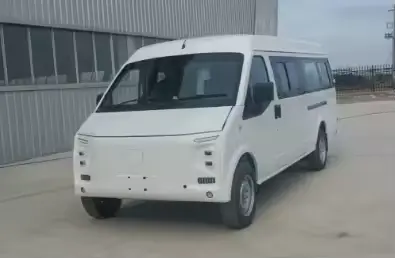
The suitable vehicle depends on the customer’s business. Mini trucks can be suitable for small cargo and local delivery. Cargo vans can be suitable for enclosed delivery. Light trucks can serve heavier cargo. Passenger vans can support shuttle and transport services.
3. Should fleet buyers choose EV or fuel vehicles?
EVs can be suitable for fixed routes, short-distance delivery and return-to-base operation when charging can be arranged. Fuel vehicles may still be more practical for long-distance routes, rural areas or markets without charging infrastructure.
4. Can fleet renewal projects use SKD or CKD cooperation?
SKD or CKD cooperation may be discussed with qualified partners. Final feasibility depends on model, quantity, local assembly ability, destination country policy and factory confirmation.
5. What information is needed before quotation?
Buyers should provide destination country, destination port, current vehicle type, target vehicle type, quantity, LHD/RHD requirement, payload or passenger capacity, powertrain preference, usage scenario and cooperation mode preference before quotation.