Welcome to KAMA Auto
Latin America Commercial Vehicle Market 2026 | KAMA
The Latin America commercial vehicle market is entering a new stage of development. E-commerce growth, expanding urban populations and changing delivery expectations are creating new demand for practical vehicles that can move goods efficiently between warehouses, stores, businesses and final customers.
According to a 2026 report from Endeavor and Mercado Libre, as reported by Reuters, Latin American online shopping sales are projected to reach approximately USD 215.31 billion in 2026. The report also indicates that the region’s e-commerce market is growing faster than the global average, while delivery delays and return problems remain important customer concerns.
For commercial vehicle importers and distributors, this growth creates opportunities beyond traditional long-distance transport. Logistics companies, retailers, wholesalers and small businesses increasingly need compact vehicles for urban delivery, regional distribution and repeated daily routes.
The opportunity is not limited to one powertrain or vehicle model. The key is to understand which delivery applications are expanding and how mini trucks, cargo vans and light trucks can support them.
Why E-Commerce Is Changing Commercial Vehicle Demand in Latin America
E-commerce growth creates physical transport demand. Every online order must move through a logistics network before reaching the customer.
Goods may travel from a national warehouse to a regional distribution center, from a regional warehouse to a local store, or directly from a city depot to the final customer. Each stage may require a different type of commercial vehicle.
Large trucks remain important for long-distance and high-volume transport. However, they are often less suitable for the final delivery stage in crowded urban areas. Narrow streets, limited parking, traffic congestion and frequent stops create demand for smaller and more flexible vehicles.
This is where light commercial vehicles become important.
Mini trucks, cargo vans and compact light trucks can operate between warehouses, retail stores, markets, pharmacies, service centers and residential areas. Their smaller dimensions can make them easier to use in city traffic, while different cargo body options allow distributors to serve multiple industries.
For commercial vehicle distributors, e-commerce growth can therefore create demand from several customer groups:
Parcel delivery companies
Supermarkets and retail chains
Online sellers and fulfillment companies
Food and beverage distributors
Pharmacies and medical suppliers
Local wholesalers
Repair and installation companies
Small and medium-sized businesses
Municipal and institutional fleets
Main Commercial Vehicle Applications in Urban Logistics
The last-mile delivery market includes more than parcel delivery. Different businesses require different levels of payload, cargo protection, loading access and route flexibility.
Parcel and E-Commerce Delivery
Parcel delivery vehicles usually operate on routes with frequent stops. Buyers may prioritize enclosed cargo space, easy loading, convenient side or rear doors and sufficient volume for small packages.
Cargo vans are particularly useful for this application because they protect goods from rain, dust and theft risks. Mini trucks with enclosed box bodies may also be suitable when customers need more cargo volume or a separate cabin and cargo area.
Retail and Supermarket Distribution
Retailers need vehicles to move products from warehouses to stores, supermarkets and local sales points.
The suitable vehicle depends on the weight and volume of the goods. A mini truck may serve small shops and neighborhood stores, while a light truck may be more suitable for larger supermarket deliveries or heavier packaged products.
Different cargo bodies can be considered according to the application, including dropside bodies, enclosed box bodies and refrigerated bodies.
Food, Beverage and Fresh-Product Transport
Food distributors often need flexible vehicles that can operate between wholesale markets, restaurants, hotels, supermarkets and local retailers.
For packaged food and beverages, a standard cargo van or box truck may be sufficient. Fresh or temperature-sensitive products may require an insulated or refrigerated cargo body.
Before selecting a vehicle, buyers should confirm cargo weight, required temperature, route distance, loading method and local climate.
Pharmacy and Medical Supply Delivery
Pharmacies, clinics and medical distributors may require enclosed cargo space, clean interiors and reliable route operation.
These applications often involve relatively light but valuable cargo. Vehicle reliability, cargo protection and delivery scheduling may be more important than maximum payload.
B2B and Small-Business Distribution
Many small businesses need vehicles for daily goods transport rather than large-scale logistics.
A mini truck can support shop supply, tools and equipment transport, furniture delivery, agricultural products, building materials and local wholesale distribution. These customers often need a practical vehicle that is easy to operate and suitable for mixed urban and suburban roads.
Mini Truck, Cargo Van or Light Truck?
There is no single vehicle that fits every delivery operation. Importers should build their product lineup around real customer applications.
Mini Trucks for Flexible Local Delivery
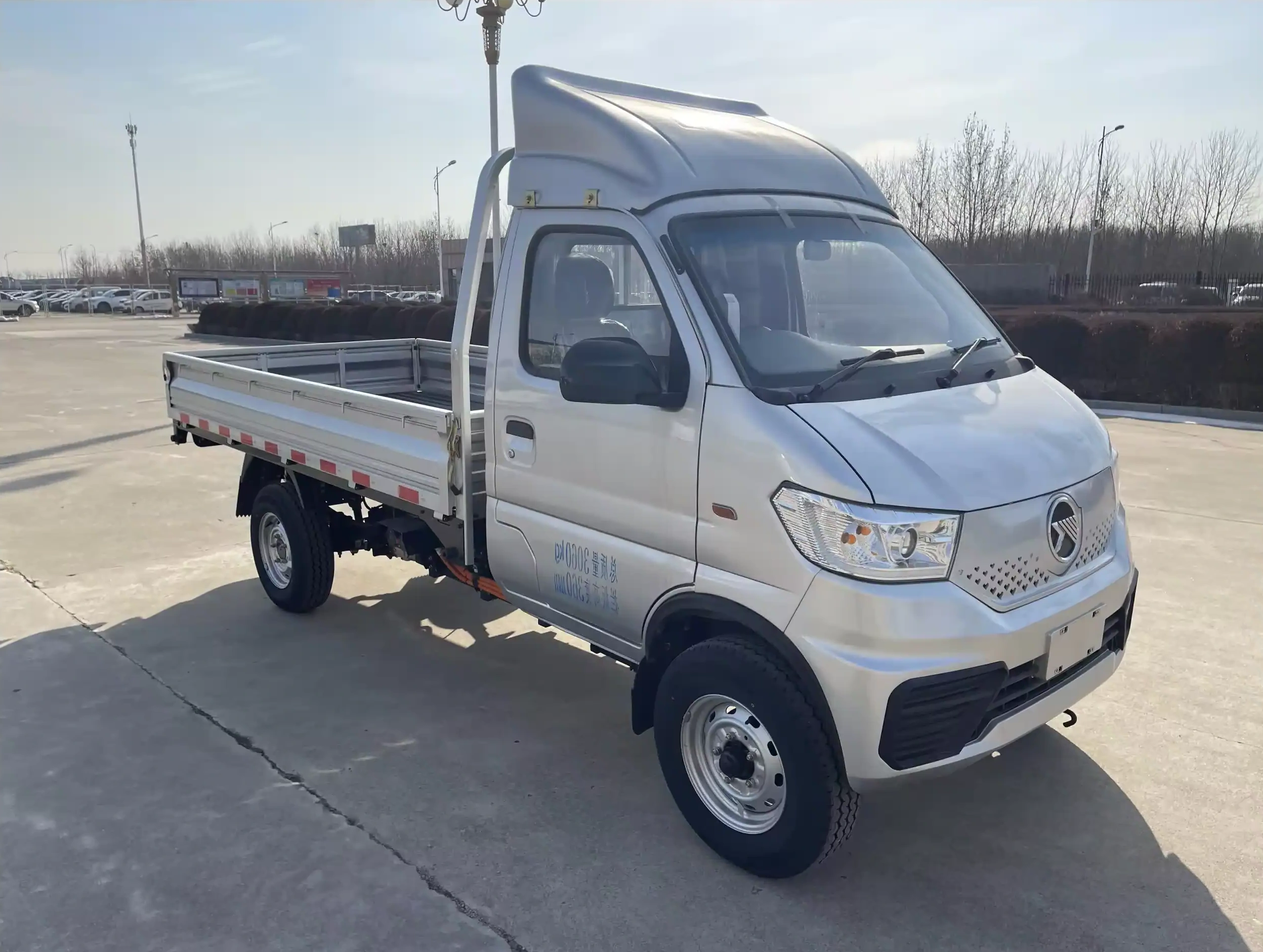
Mini trucks are suitable for customers who need a compact vehicle with an open cargo body or customized box.
Typical applications include:
Local market transport
Retail store supply
Food and beverage delivery
Agricultural product transport
Tools and equipment delivery
Small construction material transport
Urban and suburban distribution
Mini trucks can be offered with different cargo body solutions, subject to model availability and factory confirmation. A dropside body provides convenient loading, while an enclosed box can improve cargo protection.
For distributors, mini trucks can cover a broad customer base because they serve both individual business owners and small fleet operators.
Cargo Vans for Protected Goods
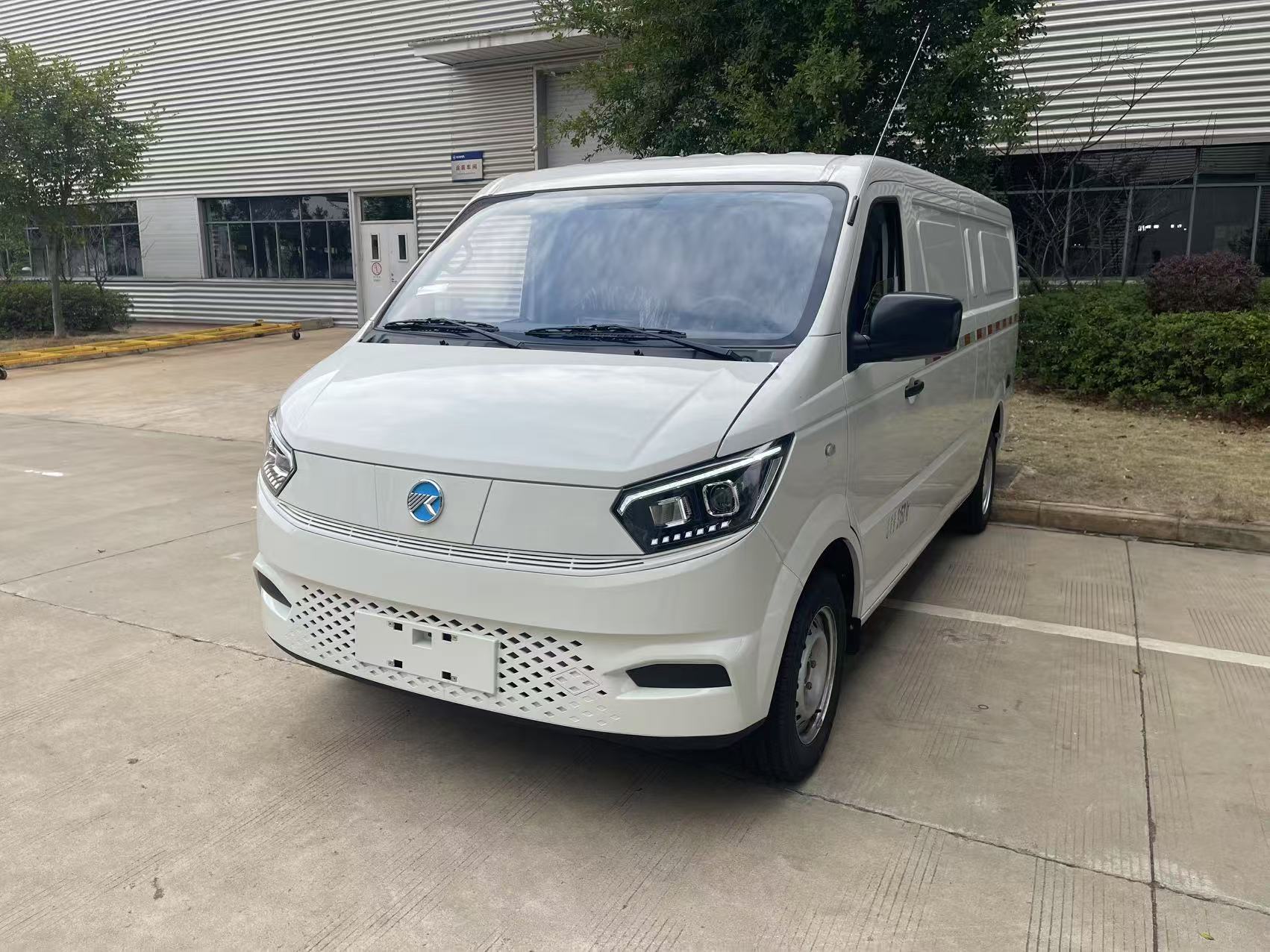
Cargo vans are suitable when cargo protection and enclosed volume are more important than an open loading platform.
Typical applications include:
E-commerce parcel delivery
Pharmacy distribution
Supermarket delivery
Repair and service fleets
Hotel and restaurant supply
Electronics and appliance delivery
High-value product transport
Cargo vans can also provide a professional appearance for logistics companies. A fully enclosed cargo area helps protect goods and can provide space for local branding or fleet identification.
When selecting a cargo van, buyers should consider cargo volume, rear and side door design, internal height, payload, route distance and loading frequency.
Light Trucks for Higher Payload and Larger Cargo Bodies
Light trucks are more suitable when customers need greater payload capacity, a longer cargo body or specialized vehicle configurations.
Typical applications include:
Regional warehouse distribution
Beverage and packaged-food transport
Construction material delivery
Furniture and appliance distribution
Refrigerated transport
Municipal service
Wholesale market logistics
Compared with compact vans and mini trucks, light trucks can carry heavier loads and support a wider range of cargo body configurations. However, buyers must also consider road width, parking space, driver licensing and local vehicle regulations.
What Importers Should Evaluate Before Selecting Delivery Vehicles
The growth of e-commerce does not mean every market needs the same vehicle. Importers should collect operational information before choosing models or preparing quotations.
1. Target Customer Group
The first step is to identify the expected buyer.
A small shop owner, parcel delivery company, supermarket chain and regional wholesaler will have different requirements. Understanding the target customer helps determine the correct vehicle size, cargo body and price positioning.
2. Cargo Weight and Volume
Payload and cargo volume should be evaluated separately.
Parcels may require large enclosed volume but relatively low payload. Beverages, building materials and agricultural products may require stronger payload capacity even when the cargo volume is smaller.
The vehicle should match the customer’s real operating load rather than only the maximum advertised capacity.
3. Daily Route and Mileage
Importers should confirm whether the vehicle will operate on short urban routes, mixed city and suburban roads, or longer regional routes.
Daily mileage affects vehicle configuration, powertrain selection and maintenance planning. Fixed routes are easier to evaluate, while uncertain routes may require greater operating flexibility.
4. Road and Climate Conditions
Road quality varies across Latin America. Some vehicles may operate mainly on paved city roads, while others may travel through rural areas, hills, rough roads or high-temperature environments.
Suspension, tires, cooling performance, ground clearance and braking configuration should be evaluated according to the destination market.
5. Cargo Body Requirements
The correct cargo body can be as important as the chassis.
Buyers may need:
Dropside cargo bodies
Enclosed box bodies
High-roof cargo vans
Refrigerated bodies
Insulated bodies
Customized service bodies
Final body dimensions and customization feasibility should be confirmed according to the selected model, payload, destination country and factory approval.
6. Local Registration Requirements
Commercial vehicle regulations differ by country.
Importers should confirm steering position, homologation requirements, gross vehicle weight classification, lighting standards, safety requirements, charging standards and any restrictions affecting vehicle registration.
Most Latin American markets use left-hand-drive vehicles, but the final requirement must always be confirmed for the destination country.
7. Maintenance and Spare Parts Planning
A commercial vehicle generates value only when it can continue operating.
Before beginning fleet sales, distributors should prepare common spare parts, technician training, service procedures and warranty communication. Larger fleet buyers may also require scheduled maintenance plans and faster parts support.
Fuel or Electric Vehicles for Last-Mile Delivery?
Both fuel and electric commercial vehicles may have opportunities in Latin America. The suitable choice depends on infrastructure and operating conditions.
Electric commercial vehicles can be considered for fixed routes, predictable daily mileage and return-to-base operation. Delivery fleets that return to the same warehouse or depot every day may be able to arrange centralized charging.
Fuel vehicles may remain practical for longer routes, uncertain mileage, rural operation and markets where public charging or depot charging is not yet available.
Importers should not promote one powertrain as the solution for every customer. A better strategy is to evaluate:
Daily driving distance
Available charging infrastructure
Fuel and electricity costs
Cargo payload
Road conditions
Required operating range
Local maintenance capability
Vehicle registration rules
A balanced product lineup may include both fuel and electric options so that distributors can serve different customer groups.
How Distributors Can Enter the Latin American Delivery Vehicle Market
A practical market-entry strategy usually begins with customer research and a limited pilot order.
Start with Real Customer Applications
Distributors should speak with local delivery companies, retailers, wholesalers and small-business owners before selecting a vehicle lineup.
The goal is to identify common requirements such as payload, cargo volume, daily mileage, preferred powertrain and acceptable vehicle dimensions.
Build a Three-Level Product Lineup
A delivery vehicle lineup can be organized into three levels:
Mini trucks for local businesses and flexible cargo transport
Cargo vans for enclosed parcel and retail delivery
Light trucks for higher payload and regional distribution
This structure allows distributors to serve several customer groups without depending on one vehicle type.
Test Before Large-Scale Expansion
For a new model or market, a small pilot order can help confirm local performance and customer acceptance.
Distributors can test:
Actual driving range
Loaded performance
Cargo capacity
Road suitability
Driver feedback
Charging or fuel consumption
Maintenance requirements
Customer response
After collecting operating data, the distributor can adjust configurations and prepare a larger purchase plan.
Consider CBU, SKD or CKD Cooperation
CBU complete vehicles are generally suitable for market testing and early-stage sales.
SKD or CKD cooperation may be discussed with qualified partners that have assembly facilities, trained technicians, quality-control capability and a realistic annual sales plan.
The suitable cooperation method depends on the vehicle model, order quantity, local policy, assembly ability and factory approval.
How KAMA Supports Commercial Vehicle Buyers in Latin America
KAMA Automobile Manufacturing provides commercial vehicle solutions for overseas distributors, importers and fleet buyers.
Depending on the confirmed market and application, KAMA can discuss:
Mini trucks
Cargo vans
Light trucks
Fuel commercial vehicles
Electric commercial vehicles
Left-hand-drive configurations
Different cargo body options
CBU, SKD and CKD cooperation
Spare parts planning
Technical document support
Export coordination
Vehicle availability, configuration, certification, charging solution, delivery schedule and customization feasibility must be confirmed according to the exact model, quantity and destination country.
Information Required for Vehicle Recommendation
To evaluate a suitable commercial vehicle solution, buyers are advised to provide:
Destination country
Destination port
Company type
Target customer group
Required vehicle type
Fuel or electric preference
Required payload
Required cargo volume
Cargo body type
Daily driving distance
Road conditions
Left-hand-drive or right-hand-drive requirement
First-order quantity
Estimated annual purchase quantity
CBU, SKD or CKD preference
Providing this information helps the KAMA team evaluate appropriate models and configurations more efficiently.
Build Your Latin American Commercial Vehicle Business with KAMA
E-commerce growth and changing delivery expectations are creating new opportunities in the Latin America commercial vehicle market.
The strongest opportunity is not simply selling more vehicles. It is providing the right vehicle for each logistics application.
Mini trucks can support small businesses and flexible local transport. Cargo vans can protect parcels and retail goods. Light trucks can serve higher-payload and regional distribution operations. Fuel and electric vehicles can then be selected according to route conditions, infrastructure and customer budgets.
If you are planning to develop a commercial vehicle distribution or fleet project in Latin America, please share your country, vehicle type, payload, cargo body, powertrain preference, quantity and destination port.
KAMA will evaluate suitable vehicle and cooperation options according to the confirmed requirements and final factory approval.
Frequently Asked Questions
1. Why is e-commerce increasing commercial vehicle demand in Latin America?
E-commerce requires goods to move between warehouses, stores, local distribution centers and final customers. This creates demand for flexible vehicles that can support frequent urban and regional delivery routes.
2. Which vehicle is suitable for last-mile delivery?
The suitable vehicle depends on cargo type, weight, volume and route. Cargo vans are useful for enclosed parcel delivery, mini trucks provide flexible cargo-body options, and light trucks are suitable for heavier loads or larger distribution operations.
3. Are mini trucks suitable for Latin American cities?
Mini trucks can be suitable for local delivery, store supply, market transport and small-business logistics. Buyers should confirm payload, road conditions, cargo body requirements and local registration rules before selecting a model.
4. Should delivery fleets choose fuel or electric vehicles?
Electric vehicles can be suitable for fixed routes and return-to-base operations when charging is available. Fuel vehicles may remain more practical for long-distance, rural or unpredictable routes. The final choice should be based on actual operating conditions.
5. Can KAMA supply left-hand-drive commercial vehicles?
KAMA can discuss left-hand-drive commercial vehicle options for Latin American markets. Final steering configuration and model availability must be confirmed before quotation.
6. Can delivery vehicles use customized cargo bodies?
Different cargo body options may be discussed, including dropside, enclosed box, insulated and refrigerated bodies. Final feasibility depends on the vehicle model, payload, dimensions, quantity and factory confirmation.
7. Can KAMA support SKD or CKD projects in Latin America?
SKD or CKD cooperation may be discussed with qualified partners. Buyers should have suitable assembly resources, technical capability, quality-control procedures and a clear annual sales plan.
8. What information is needed before quotation?
Buyers should provide the destination country, destination port, vehicle type, required payload, cargo body, powertrain preference, daily mileage, road conditions, steering requirement and purchase quantity.