Welcome to KAMA Auto
How to Choose a Left-Hand Drive Electric Cargo Van for Urban Delivery in Ethiopia
How to Choose a Left-Hand Drive Electric Cargo Van for Urban Delivery in Ethiopia
Ethiopia is becoming one of the most closely watched electric vehicle markets in Africa. For commercial buyers, the opportunity is not only about passenger EVs. It is increasingly about practical electric vehicles that can support daily business operations such as parcel distribution, retail delivery, light logistics, municipal service, and project-based fleet deployment. In this environment, a left-hand drive electric cargo van can be a more realistic and commercially useful choice than a generic EV product.
For distributors, importers, and fleet operators, the key question is not simply whether electric mobility is growing in Ethiopia. The more important question is which vehicle type can match real operating conditions. In many urban delivery scenarios, a cargo van has clear advantages: enclosed cargo protection, easier maneuverability, better suitability for repeat short routes, and stronger relevance for commercial users who need practical transport value instead of broad market narratives.
Why Urban Delivery Is a Strong Entry Point for Electric Commercial Vehicles in Ethiopia
In many developing EV markets, urban logistics is the most realistic starting point for commercial electrification. That is especially true where vehicle buyers are still balancing policy opportunity, operating cost, charging access, and after-sales support. For Ethiopia, short and repeatable routes are more suitable for electric commercial vehicles than long-distance operations that require more charging coverage and route flexibility.
This is why electric cargo vans deserve more attention. They are well suited to:
parcel and express delivery
retail and wholesale distribution
spare parts transportation
service fleet operation
industrial park logistics
light municipal transport
Instead of competing directly with larger trucks in every transport scenario, an electric cargo van serves a more focused commercial purpose. That focus makes it easier for fleet buyers to evaluate return on use, route efficiency, and daily practicality.
Why Left-Hand Drive Still Matters for Ethiopia Market Buyers
For B2B buyers, configuration matters as much as powertrain. A left-hand drive electric cargo van is not just a technical option. It is part of market suitability. Buyers usually prefer a configuration that fits local operating habits, fleet planning, and driver familiarity.
For distributors, this matters even more. When building an electric commercial vehicle line for a target market, it is easier to position a product when the vehicle configuration already matches what local customers expect. That helps reduce friction in product introduction, fleet trials, and commercial discussions.
In other words, “left-hand drive” should not be treated as a secondary specification. It is part of the buyer decision.
Why a Cargo Van Can Be More Practical Than a Mini Truck for Some Ethiopia Use Cases
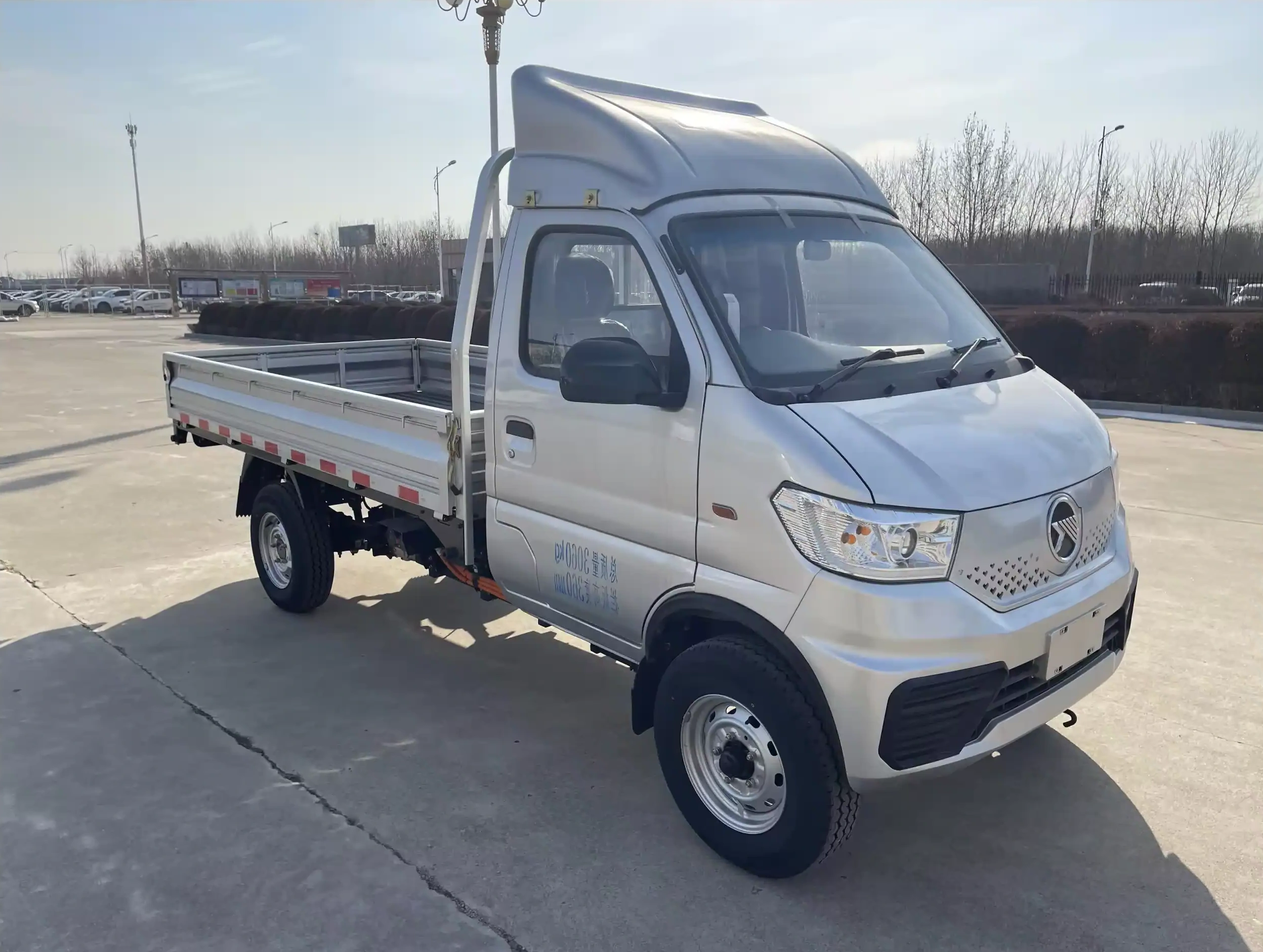
Electric mini trucks are useful in many applications, and they already have a place in the Ethiopia market conversation. However, an electric cargo van may be the better choice for buyers whose daily work depends on enclosed cargo transport, cleaner presentation, and better protection for goods.
Compared with a mini truck, a cargo van can offer:
1. Better Cargo Protection
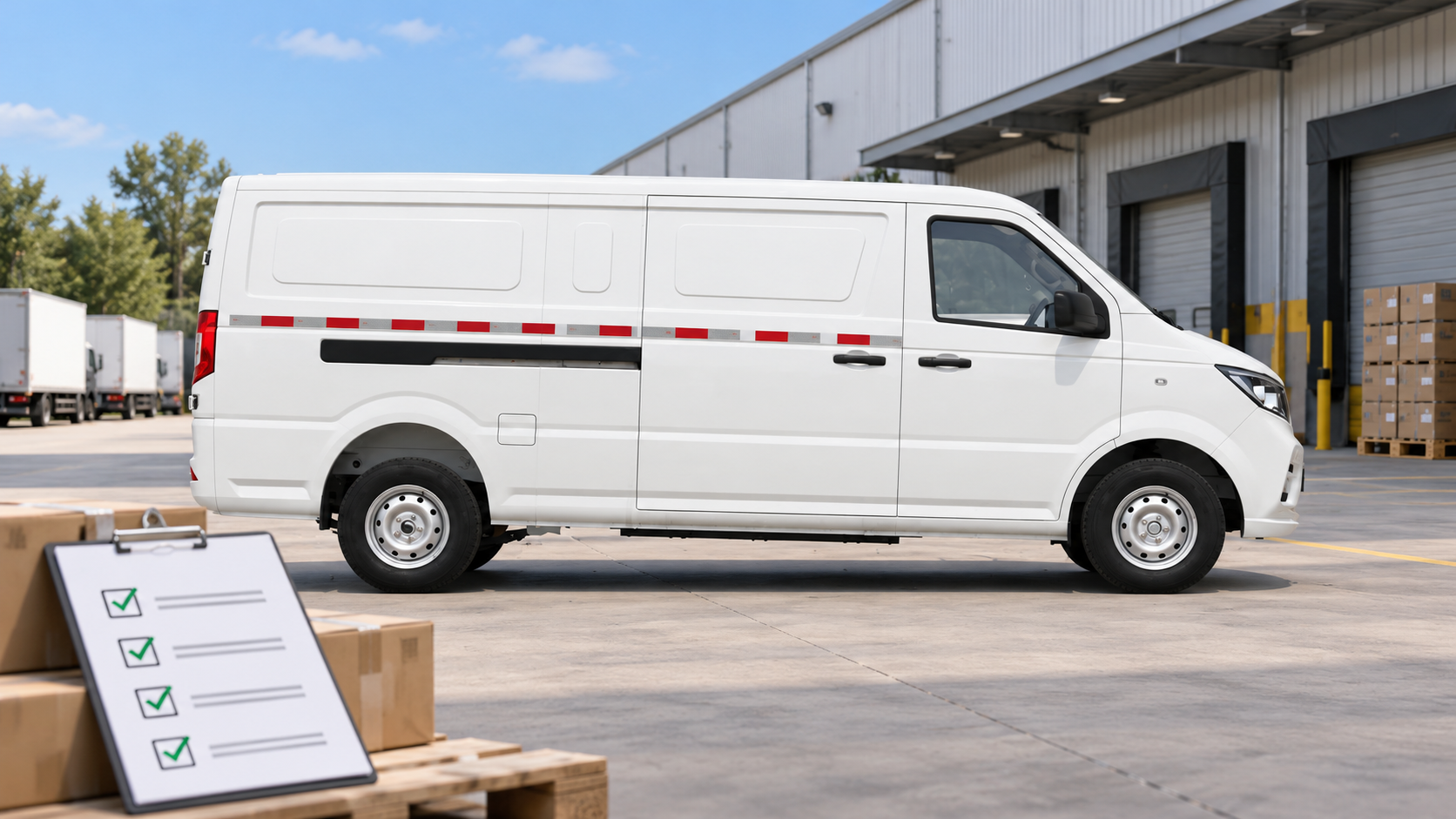
An enclosed body is more suitable for parcels, packaged goods, retail items, electronics, service equipment, and spare parts. It protects goods from dust, rain, and general exposure during daily delivery work.
2. Better Fit for Urban Delivery Routes
A cargo van is often easier to standardize for city logistics. Businesses that run repeated urban routes usually value simple loading, enclosed storage, and a vehicle shape that fits warehouse-to-shop distribution work.
3. Stronger Commercial Presentation
For some customers, the vehicle is not only a transport tool. It is also part of the company image. An enclosed electric cargo van can look more professional for organized retail delivery, project service work, and branded fleet applications.
4. Better Scenario Match for Fleet Buyers
Fleet buyers often prefer products that are easy to deploy across multiple daily tasks. A cargo van can serve parcel delivery, spare parts supply, technical service transport, and internal company logistics with one vehicle platform.
What Buyers Should Check Before Importing an Electric Cargo Van to Ethiopia
A commercial buyer should never choose an electric cargo van based on headline range or price alone. The more practical evaluation should include the following points.
Battery Type and Stability
For commercial operation, battery stability matters more than marketing language. Buyers should ask what battery chemistry is used, how stable the system is under daily load, and whether the vehicle is suitable for repeated city use.
Real Working Range
The most useful range number is not the most aggressive brochure figure. Buyers should judge whether the vehicle can complete daily routes under real load conditions, traffic conditions, and planned charging schedules.
Payload and Cargo Space
A cargo van must still perform like a cargo vehicle. Buyers should compare the usable cargo volume, payload, loading practicality, and body structure instead of focusing only on EV terminology.
Charging Planning
Charging compatibility and route planning are key. In a growing EV market, the winning vehicle is often the one that fits the existing charging reality, not the one with the most exaggerated theoretical claim.
Spare Parts and After-Sales Support
Commercial EV procurement is not only about the vehicle itself. Buyers should ask whether the supplier can support spare parts planning, technical guidance, and long-term service cooperation.
Customization Ability
For distributors and project buyers, customization is often part of the business model. Vehicle body style, cargo structure, branding, and configuration flexibility can all affect market success.
A Practical KAMA Option for Ethiopia Urban Delivery Projects
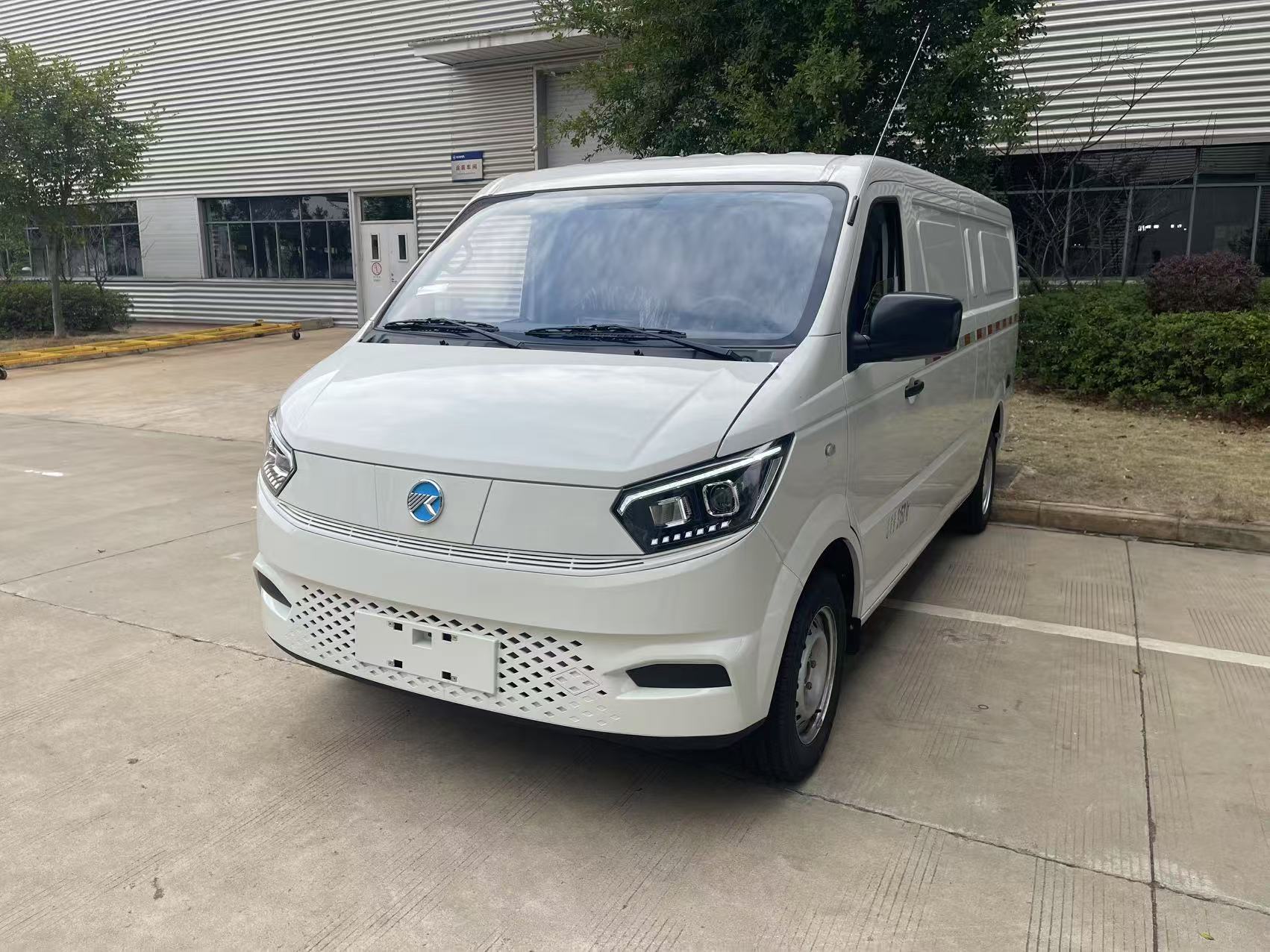
For buyers looking at urban delivery applications, KAMA already has a suitable product direction on its website through the EV Van Truck category and the ES7 electric enclosed cargo van product content. Your current ES7 page highlights a 41.93 kWh LFP battery, about 1.5 tons of payload, roughly 6 m³ of cargo volume, and a stated range of around 225–300 km depending on configuration. Those specifications are far more relevant for city logistics content than repeating broad EV trend language.
From a commercial content perspective, this is exactly the kind of product that can support articles focused on:
urban delivery
last-mile logistics
enclosed cargo transport
distributor-ready EV products
left-hand drive commercial EV supply
Ethiopia fleet projects
Conclusion
Choosing a left-hand drive electric cargo van for Ethiopia is not only about following an EV trend. It is about matching the right vehicle to the right business application. For urban delivery, light logistics, retail supply, and repeat city routes, an electric cargo van can be a more practical and more commercially valuable solution than a generic EV option.
For serious buyers, the best choice should be based on battery reliability, practical range, usable cargo space, payload, charging planning, and after-sales support. For distributors, the opportunity is even bigger: this product category can help build an early market position in a growing commercial EV segment.
If you are looking for a left-hand drive electric cargo van for urban delivery in Ethiopia, KAMA Auto can provide product details, customization support, and export cooperation for commercial vehicle buyers.
FAQ
Is an electric cargo van suitable for Addis Ababa urban delivery?
Yes. It is especially suitable for short and repeatable routes where charging can be planned in advance and daily cargo work requires an enclosed vehicle body.
Why is left-hand drive important for Ethiopia buyers?
Because local market suitability matters in B2B procurement. Buyers usually prefer a configuration that matches practical operating needs and easier fleet introduction.
What matters more than headline range when choosing an EV van?
Battery stability, usable payload, cargo volume, charging practicality, and after-sales support are often more important than a single brochure range number.
What type of buyer is this vehicle best for?
It is best for distributors, importers, urban delivery operators, service fleets, and project buyers looking for compact electric commercial vehicles.