Welcome to KAMA Auto
CNG Commercial Vehicles for Emerging Markets | KAMA Auto
CNG Commercial Vehicles for Emerging Markets: 2026 Importer Guide
CNG commercial vehicles are gaining renewed attention in many fuel-cost-sensitive markets. While electric vehicles are becoming more popular for short-distance and fixed-route operation, many importers and fleet buyers are still looking for practical alternatives between traditional gasoline, diesel and full electric vehicles.
For emerging markets, CNG can be an important option when fuel cost is high, charging infrastructure is still developing, and buyers need vehicles that are practical for daily commercial use.
For commercial vehicle distributors, the key is not simply promoting CNG as a universal solution. The better approach is to understand where CNG vehicles are suitable, which customer groups can use them effectively, and what information must be confirmed before importing.
Why CNG Commercial Vehicles Are Attracting Attention
In many developing markets, fuel cost has a direct impact on daily transport business. Small business owners, passenger transport operators, delivery companies and fleet buyers all need to control operating costs.
Compared with full electric vehicles, CNG vehicles may be easier to introduce in markets where public charging infrastructure is limited. Compared with traditional gasoline or diesel vehicles, CNG vehicles may help some buyers reduce fuel cost if local natural gas supply and refueling infrastructure are available.
This makes CNG commercial vehicles a practical option for selected markets and operating scenarios.
However, CNG is not suitable for every country or every customer. Importers should first confirm local fuel availability, refueling network, vehicle registration rules, safety regulations, maintenance ability and customer acceptance.
Main Applications for CNG Commercial Vehicles
CNG commercial vehicles can be considered for several practical business applications.
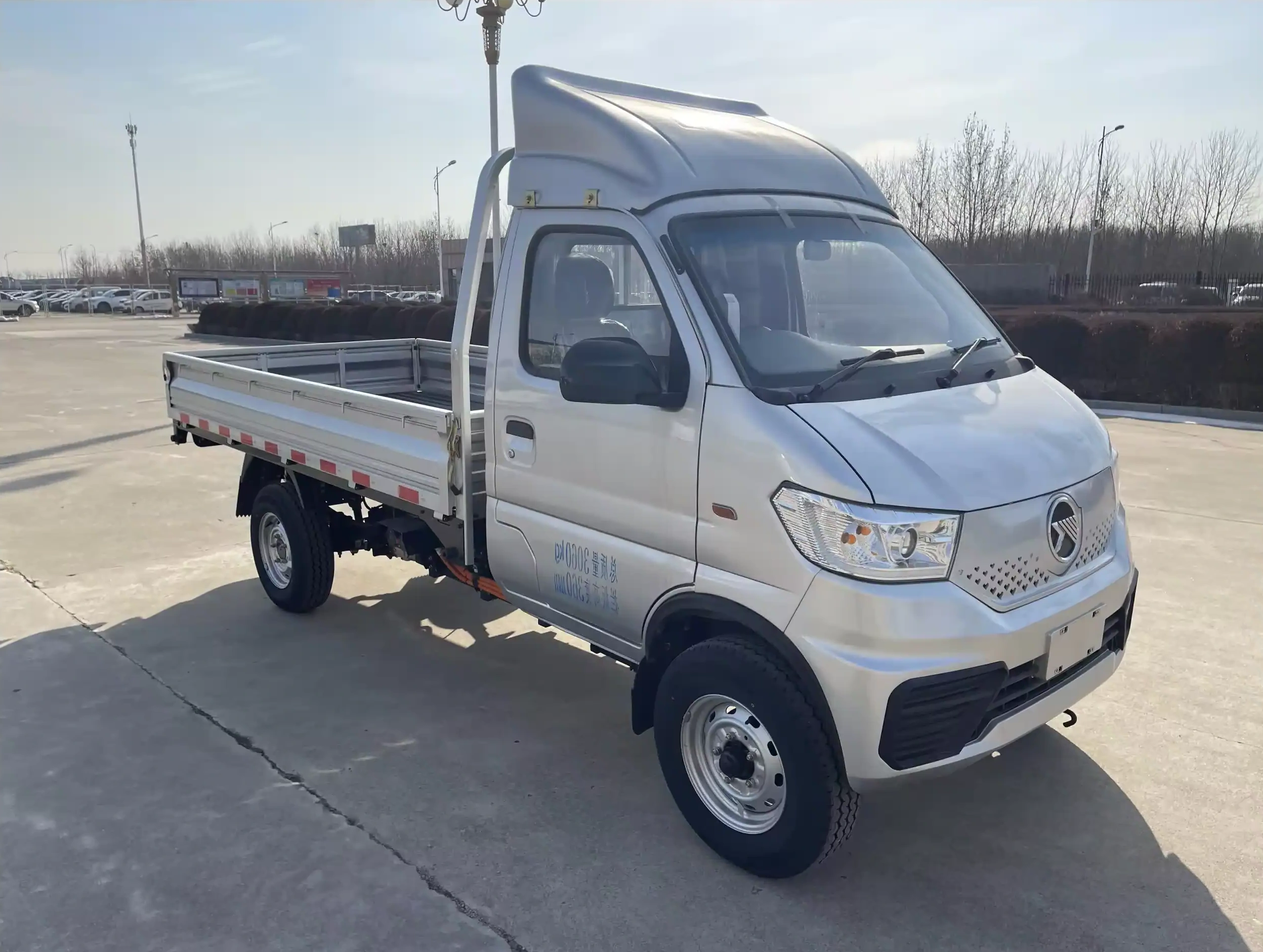
For city delivery, CNG mini trucks and light trucks may support retail distribution, small business logistics, food delivery, market transport and local cargo movement.
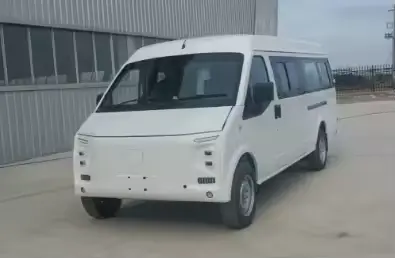
For passenger transport, CNG vans or minibuses may be suitable for shuttle routes, staff commuting, school transport, hotel transfer and local passenger service, depending on local regulations and model availability.
For municipal and institutional use, CNG vehicles may be considered for city service, park operation, local maintenance work and other fixed-route tasks.
For fleet buyers, CNG may be more practical when vehicles return to a depot or operate within areas where refueling stations are available.
The common feature of these applications is that the vehicle usually operates in a local area with predictable refueling access.
CNG, Gasoline, Diesel or EV: How Should Importers Choose?
Different powertrain options serve different market needs.
Gasoline vehicles are often familiar to small business customers. They may be easier to maintain and use in markets where gasoline supply is stable and customers prefer simple operation.
Diesel vehicles are still widely used for heavier loads, longer-distance transport, construction, agriculture and regional cargo operation. They may be more suitable when torque, range and fuel availability are key factors.
Electric vehicles can be suitable for fixed routes, urban delivery, industrial parks, campus transport, hotel shuttle and return-to-base fleet operation when charging can be arranged.
CNG vehicles can be considered when the local market has natural gas supply, refueling infrastructure, fuel-cost pressure and customers who are open to alternative fuel vehicles.
For distributors, the right strategy is not choosing only one powertrain. A balanced product portfolio can help serve more customer groups.
Which Buyers Are Suitable for CNG Vehicles?
CNG commercial vehicles may be suitable for buyers who operate in markets with accessible CNG refueling infrastructure.
Small business owners may use CNG mini trucks for local goods transport, retail delivery and market distribution.
Fleet operators may consider CNG vehicles if they manage vehicles centrally and can arrange regular refueling.
Passenger transport companies may evaluate CNG vans or minibuses for fixed routes, depending on local safety and registration requirements.
Municipal contractors may consider CNG vehicles for local service tasks if the city already supports CNG refueling.
Commercial vehicle distributors may use CNG models as part of a wider portfolio that includes gasoline, diesel and electric vehicles.
What Importers Should Check Before Buying CNG Vehicles
Before importing CNG commercial vehicles, buyers should confirm several important points.
First, confirm whether CNG refueling infrastructure is available in the target market. Without reliable refueling access, CNG vehicles may not be practical for daily operation.
Second, confirm local vehicle registration rules. Some countries may have specific requirements for CNG tanks, safety systems, labels, inspection and documentation.
Third, confirm the usage scenario. CNG vehicles are often more suitable for local delivery, fixed routes and fleet operation than uncertain long-distance transport.
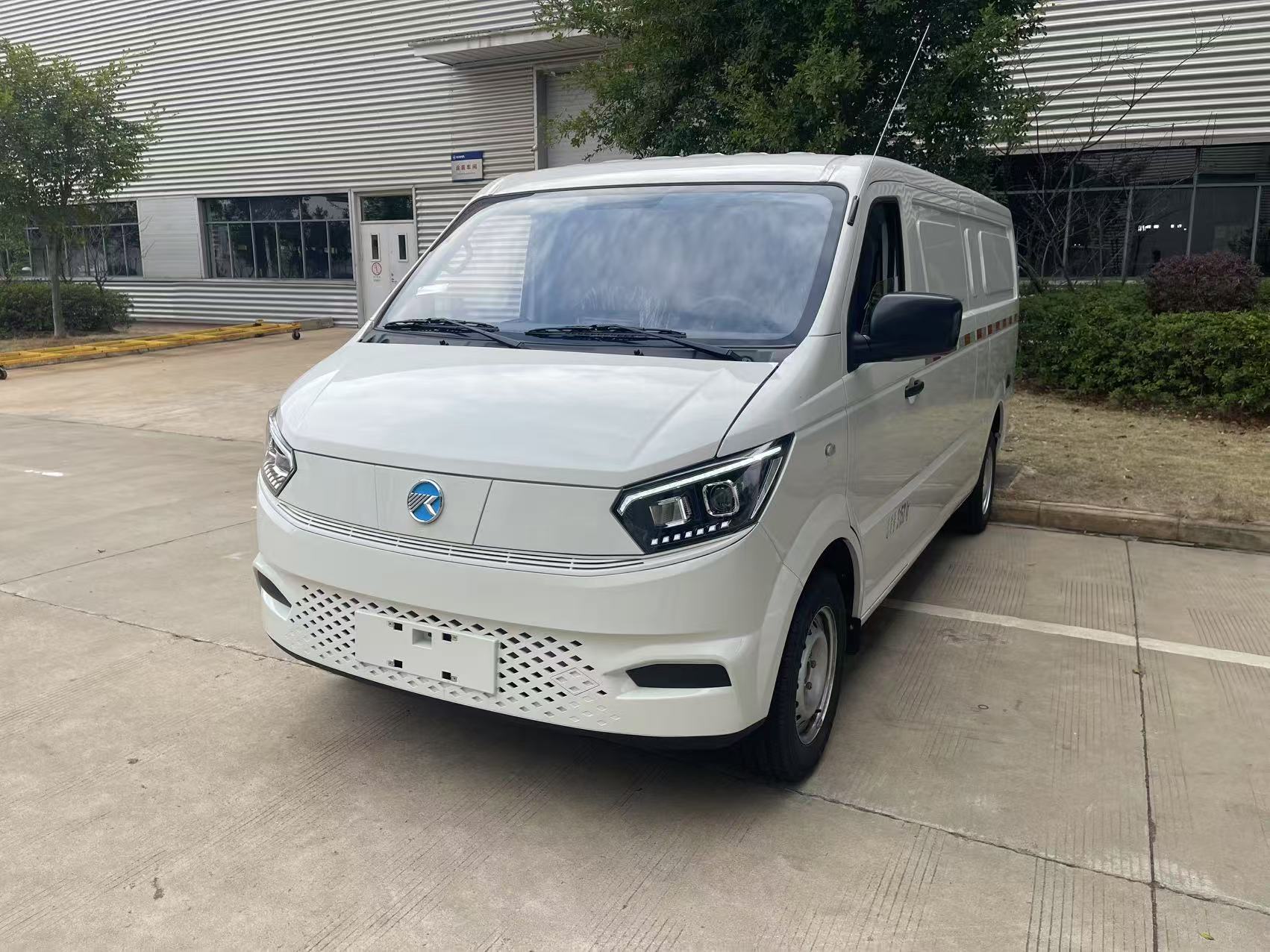
Fourth, confirm the required vehicle type. Buyers may need mini trucks, cargo vans, passenger vans, light trucks or other commercial vehicle configurations.
Fifth, confirm payload or passenger capacity. The powertrain should match real business needs, not only the lowest purchase price.
Sixth, confirm maintenance ability. Local technicians should understand CNG systems, safety inspection and regular maintenance requirements.
Seventh, confirm spare parts planning. Distributors and fleet buyers should prepare common service parts and technical documents before large-scale sales.
How Distributors Can Position CNG Vehicles
For distributors, CNG vehicles should be positioned as a practical alternative fuel option, not as a replacement for every gasoline, diesel or electric vehicle.
A good sales strategy is to match CNG vehicles with buyers who already understand fuel-cost pressure and have access to CNG refueling.
For example, a local delivery company operating inside one city may be a better CNG customer than a long-distance transport company working across remote regions. A city shuttle operator with fixed routes may be easier to serve than a buyer with uncertain daily mileage.
Distributors should also explain clearly that final suitability depends on local fuel supply, road conditions, vehicle regulations, customer operation model and after-sales capacity.
CNG Vehicles and Local Assembly Opportunities
In some markets, alternative fuel vehicles may also create local assembly or conversion-related opportunities. However, CNG projects require careful technical and safety evaluation.
For complete vehicle import, buyers can test market acceptance first and collect feedback from real customers.
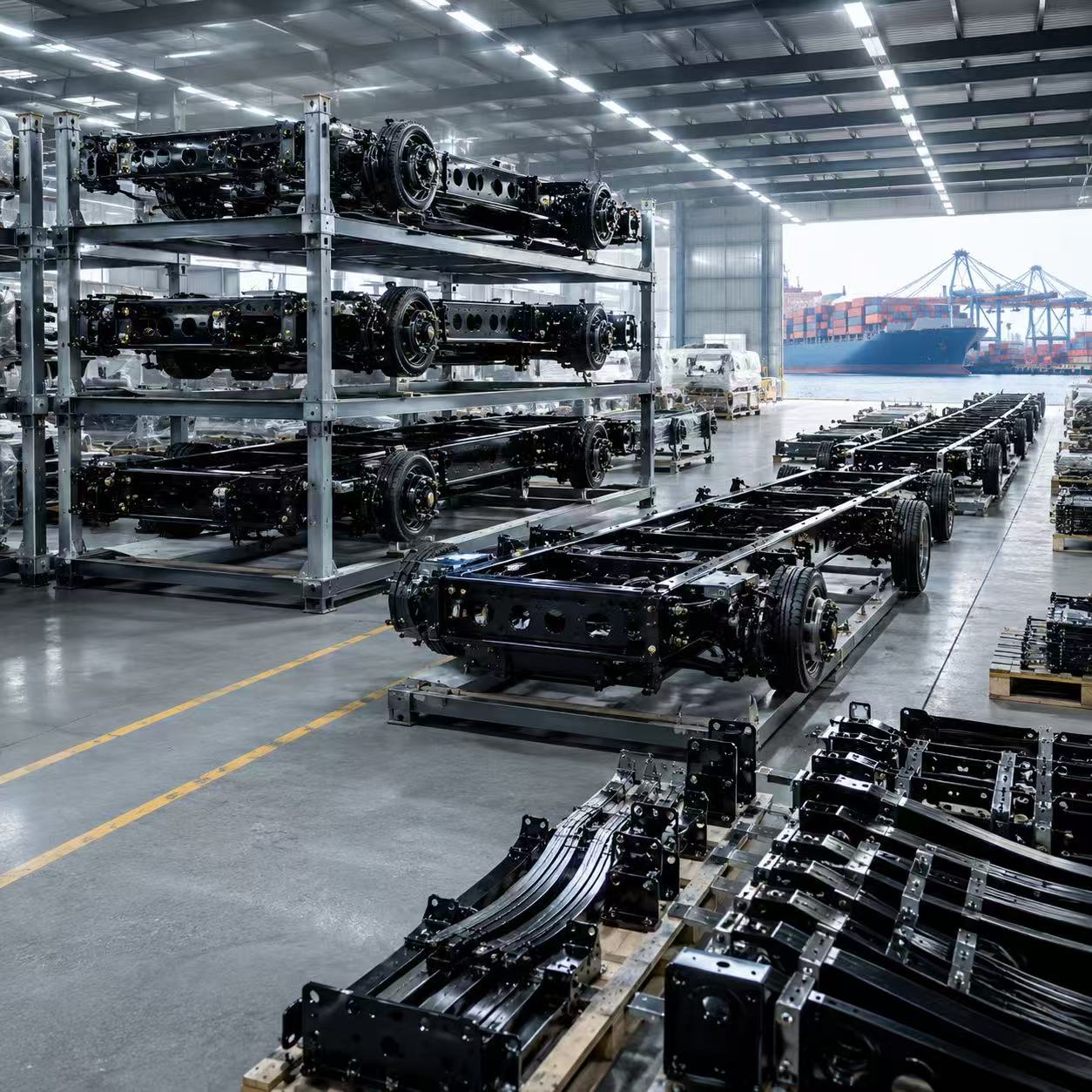
For SKD or CKD cooperation, qualified partners need assembly resources, technician teams, quality control ability and a clear annual sales plan.
For any CNG-related project, safety requirements, tank specification, local inspection rules and service capability should be checked carefully before order confirmation.
The suitable cooperation mode should be confirmed according to destination country, vehicle model, quantity, local policy, technical feasibility and factory approval.
How KAMA Supports CNG Commercial Vehicle Buyers
KAMA Auto focuses on practical commercial vehicle solutions for overseas markets. For buyers interested in CNG commercial vehicles, KAMA can support model discussion, configuration checking, spare parts planning, technical document support and export coordination according to the confirmed market and order plan.
Depending on customer requirements, KAMA can discuss CNG mini trucks, CNG light trucks, fuel commercial vehicles, electric commercial vehicles, passenger vans and other suitable commercial vehicle options.
KAMA can also help distributors evaluate whether CNG, gasoline, diesel or electric vehicles are more suitable for the target market based on destination country, fuel availability, road condition, payload requirement, steering requirement and customer usage scenario.
Final configuration, price, availability, delivery plan, certification documents and cooperation terms should be confirmed according to the exact model, quantity, destination country and factory approval.
Recommended Inquiry Information
To recommend a suitable CNG commercial vehicle solution, buyers are suggested to provide the following information:
Destination country
Destination port
Target vehicle type
Preferred powertrain: CNG, gasoline, diesel or EV
Required payload or passenger capacity
Main usage scenario
Daily mileage
Road condition
CNG refueling availability
Left-hand drive or right-hand drive requirement
First order quantity
Annual purchase plan
CBU, SKD or CKD preference
Company type: distributor, importer, fleet buyer or end user
With this information, KAMA can help evaluate suitable vehicle options and cooperation plans for the buyer’s market.
Build Your CNG Commercial Vehicle Business with KAMA
If you are planning to import CNG mini trucks, CNG light trucks, vans or other commercial vehicles, KAMA can help evaluate suitable options for your market.
Please share your country, target vehicle type, quantity, steering requirement, powertrain preference, usage scenario, CNG refueling condition and destination port. Our team will check the suitable model and cooperation plan for you, subject to final factory confirmation.
FAQ
1. Are CNG commercial vehicles suitable for emerging markets?
CNG commercial vehicles can be suitable for emerging markets when CNG refueling infrastructure is available and buyers need a practical alternative fuel option. The final suitability depends on local fuel supply, road condition, registration rules and maintenance capacity.
2. Which customers are suitable for CNG mini trucks or light trucks?
CNG mini trucks and light trucks may be suitable for local delivery companies, small business owners, city distribution fleets, municipal contractors and distributors serving fuel-cost-sensitive markets.
3. Is CNG better than electric vehicles?
CNG and electric vehicles serve different scenarios. EVs can be suitable for short-distance, fixed-route and return-to-base operation when charging can be arranged. CNG vehicles may be more practical in markets where natural gas refueling is available but charging infrastructure is limited.
4. Can CNG vehicles be supplied as SKD or CKD kits?
SKD or CKD cooperation may be discussed with qualified partners. Final feasibility depends on vehicle model, quantity, local assembly ability, safety requirements, destination country policy and factory confirmation.
5. What information is needed before quotation?
Buyers should provide destination country, destination port, target vehicle type, quantity, LHD/RHD requirement, payload or passenger capacity, powertrain preference, usage scenario, CNG refueling condition and cooperation mode preference before quotation.