Welcome to KAMA Auto
Best Electric Mini Truck for Urban Delivery in Ethiopia
Best Electric Mini Truck for Urban Delivery in Ethiopia
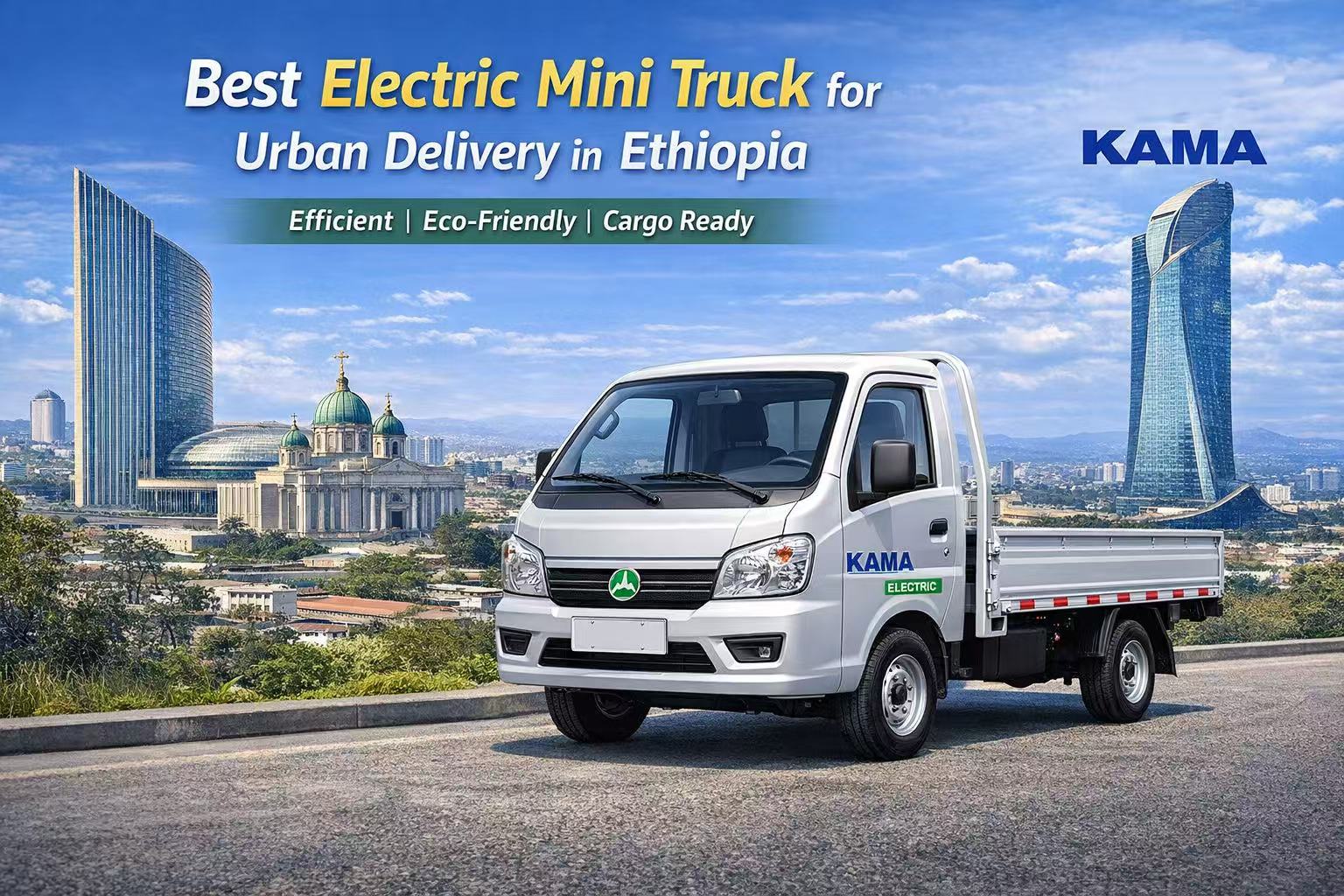
Ethiopia is becoming one of Africa’s most closely watched electric vehicle markets, and that makes urban commercial EVs a timely topic for importers, distributors, and fleet buyers. Recent market intelligence from the U.S. Commercial Service says Ethiopia has been pushing EV adoption through tax incentives, import policy changes, and charging-network development, while also forecasting growth in commercial EVs over the coming years. That creates a clear opening for product-led content focused on practical vehicle use rather than general EV discussion.
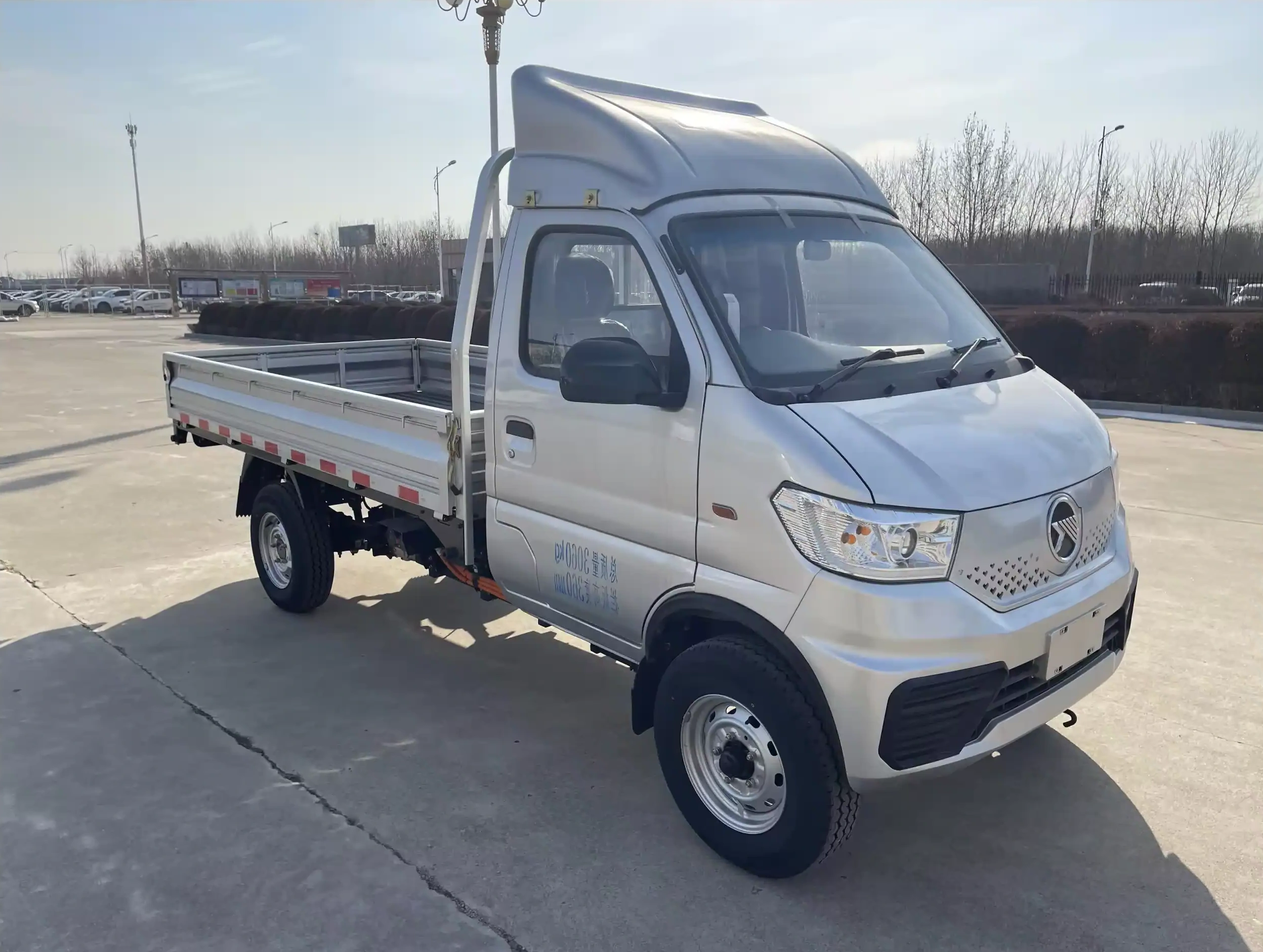
For city logistics, the most commercially relevant product is often not a large truck or a passenger EV. It is an electric mini truck that can handle short-range urban distribution, daily cargo movement, and repeat delivery routes. In a market like Addis Ababa, where compact size, low operating cost, and route efficiency matter, an electric mini truck can be a more practical option for many businesses than a larger commercial vehicle. Ethiopia’s EV policy direction and the early development of charging infrastructure make this topic especially relevant for businesses exploring city delivery applications.
Why Electric Mini Trucks Are Relevant for Ethiopia
Urban logistics in Ethiopia is changing. As more attention moves toward electric mobility, buyers are not only looking at electric passenger vehicles. Commercial users also need practical solutions for cargo delivery, retail distribution, wholesale transport, industrial park logistics, and service fleet operation. An electric mini truck fits these needs because it combines compact dimensions with useful cargo capacity, lower energy cost per trip, and strong adaptability for repeat urban routes.
For distributors and project buyers, this matters because product demand is usually shaped by real business use. Companies are more likely to search for an electric mini truck Ethiopia, electric cargo mini truck, or urban delivery truck in Addis Ababa than for broad EV trend articles. Google’s own Search guidance recommends using the words people actually search for in prominent places such as titles, headings, alt text, and link text, which is why this article is built around product keywords and use-case language.
What Makes the Best Electric Mini Truck for Urban Delivery
The best electric mini truck for urban delivery in Ethiopia should not be judged by appearance alone. Buyers should focus on the practical factors that affect daily operation.
1. Compact Size for City Routes
A city delivery vehicle must be easy to maneuver in urban traffic, loading areas, and narrow business streets. A mini truck with compact dimensions is better suited to frequent stop-and-go transport than a larger heavy-duty platform.
2. Practical Battery Range
For short-distance logistics, a truck does not need extreme long-range capability. It needs stable real-world range for daily delivery work. Buyers should evaluate range under load, route type, traffic conditions, and charging schedule rather than only checking brochure numbers.
3. Cargo Capacity for Daily Business Use
An electric mini truck for Ethiopia should still function as a real cargo vehicle. That means the cargo box design, payload suitability, and chassis durability remain important. Even in an EV platform, commercial value depends on how well the vehicle supports actual transport tasks.
4. Easy Charging Planning
Ethiopia’s charging network is still developing, but expansion efforts are underway, including public and commercial charging projects in Addis Ababa. That means electric mini trucks are most suitable where users have predictable routes, depot charging possibilities, or fixed urban operating zones.
5. Spare Parts and After-Sales Support
For distributors, after-sales planning is just as important as the vehicle itself. Buyers need to know whether the supplier can support spare parts, technical documents, troubleshooting, and long-term cooperation.
Best Use Scenarios for Electric Mini Trucks in Ethiopia
To rank better and attract stronger commercial traffic, this page should connect product keywords with scenario keywords. That approach is more aligned with people-first content than simply repeating “electric mini truck” throughout the page. Google’s Search documentation emphasizes unique, helpful, people-first content rather than shallow rewording or keyword stuffing.
Urban Retail Delivery
An electric mini truck is suitable for daily deliveries to shops, local wholesalers, and neighborhood retail channels. In these cases, route distances are often manageable and vehicle compactness is valuable.
Beverage and FMCG Distribution
Mini trucks can support repeated transport for bottled water, beverages, packaged food, and other fast-moving consumer goods within urban and peri-urban areas.
Building Materials and Hardware Supply
For smaller-volume daily deliveries, an electric mini truck can serve hardware stores, local contractors, and materials distribution businesses that operate on fixed routes.
Industrial Park and Service Logistics
Industrial zones, campuses, and internal fleet operations can also be a good fit for electric mini trucks because daily routes are more controlled and charging can often be planned more easily.
Last-Mile Cargo Transport
One of the strongest scenario keywords for this article is last-mile delivery in Ethiopia. That phrase ties the truck directly to a real business need and makes the content more commercially relevant.
Why Distributors Should Care About This Category
For a local distributor, an electric mini truck is not only a product. It is a market-entry category. If Ethiopia continues to expand EV adoption and charging support, distributors who establish an early product position in practical commercial EVs may be better placed to serve logistics companies, institutional buyers, and urban fleet operators. Trade.gov’s Ethiopia EV market guidance points to continued market development, incentives, and commercial opportunity across vehicles, charging, batteries, and related services.
This is why the best content strategy is not to publish one generic EV page and stop. Instead, it is better to build a content cluster around:
electric mini truck Ethiopia
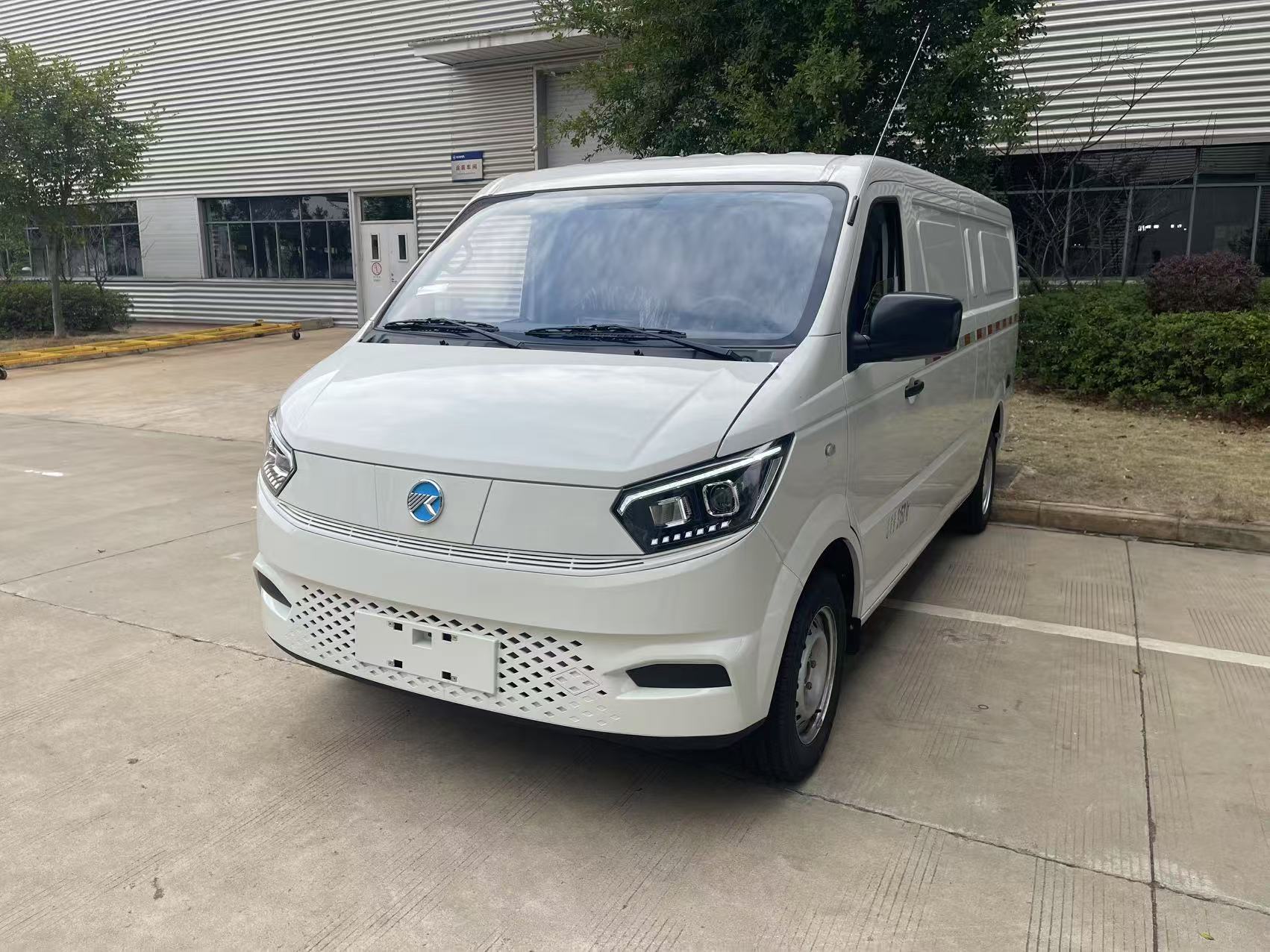
electric cargo van Ethiopia
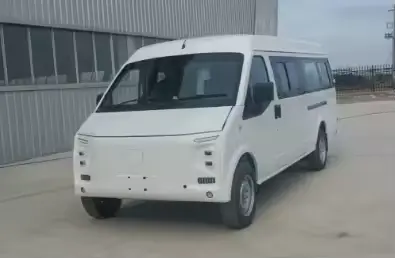
electric minibus Ethiopia
Addis Ababa delivery vehicle
distributor cooperation for electric commercial vehicles
That structure helps search engines understand your site focus and helps buyers move from informational pages to product and inquiry pages. Google’s guidance also notes that crawlable internal links and descriptive link text help Google find and understand related pages on a site.
How to Choose the Right Supplier
When selecting an electric mini truck supplier for Ethiopia, buyers should compare more than price. A strong supplier should be able to support:
export-ready vehicle configuration
practical cargo body options
left-hand drive commercial EV solutions
spare parts planning
technical support
distributor cooperation
long-term customization capability
For serious buyers, manufacturer strength matters. A factory-backed supplier is usually in a better position to provide stable production, future parts support, and customization for local market needs.
Conclusion
The best electric mini truck for urban delivery in Ethiopia is one that matches real city logistics requirements: compact size, practical battery range, reliable cargo performance, route-friendly charging, and dependable after-sales support. In the current market, this category has strong potential for distributors, project buyers, and urban fleet operators looking for practical electric commercial vehicles.
For businesses targeting Addis Ababa and other growing urban centers, electric mini trucks can support retail delivery, wholesale transport, service logistics, and last-mile cargo operations. As Ethiopia’s EV market continues to develop, product-specific commercial content like this is more useful than broad EV trend pages and more likely to attract qualified B2B interest.
Call to Action:
If you are looking for an electric mini truck for urban delivery in Ethiopia, contact us for product details, distributor cooperation, and customized commercial vehicle solutions.
FAQ
What is the best electric mini truck for urban delivery in Ethiopia?
The best option depends on route distance, cargo type, charging conditions, and after-sales support. For most city logistics use cases, buyers should prioritize compact size, practical range, and reliable cargo capacity.
Is an electric mini truck suitable for Addis Ababa delivery work?
It can be suitable for urban delivery, especially where routes are short, repeatable, and charging can be planned in advance.
Who should buy electric mini trucks in Ethiopia?
The main target buyers are distributors, importers, logistics operators, institutional fleets, and businesses handling local cargo delivery.
Why is this product category important now?
Ethiopia’s EV policy direction, incentives, and charging development have made commercial EV categories more relevant than before.