Welcome to KAMA Auto
2025 Smart Electric Mini Buses: 10 Key Advantages for Sustainable, Cost-Effective Global Procurement
Below is the complete translated article in English, maintaining the optimized structure, keywords, and content integrity:
2025 Smart Electric Mini Buses Full Guide: 10 Core Advantages & Global Procurement Insights
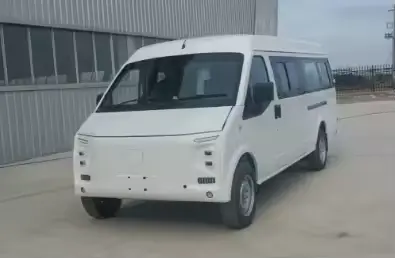
As global logistics and group travel evolve, smart electric mini buses are emerging as a focal point in the 2025 procurement market. These vehicles, ideally suited for medium-sized groups, strike a balance between passenger comfort and operational efficiency while driving a shift toward sustainable, cost-effective fleets. This guide outlines 10 core advantages, provides a buyer’s checklist, and answers frequently asked questions to help global procurement professionals make informed decisions.
Why Smart Electric Mini Buses Are the 2025 Procurement Choice
1. Optimized Seating Capacity & Flexibility
Electric mini buses typically offer 15 to 30 seats. Their flexible interior configurations meet diverse needs—from corporate shuttles and airport transfers to chartered travel—ensuring both passenger comfort and efficient operations.
2. Cost-Effective Operations
Compared to traditional full-sized bus rentals, electric mini buses feature lower initial investments and energy costs. Over time, they can reduce operational expenses by up to 40% while also lowering parking fees, tolls, and other hidden costs.
3. Enhanced Accessibility
Modern models emphasize inclusivity by integrating automatic ramps, secure docking systems, and spacious interiors. These features adhere to international accessibility standards, significantly enhancing travel for passengers with disabilities.
4. Eco-Friendly Performance
With zero emissions and near-silent operation, electric mini buses support global green initiatives and comply with tightening environmental regulations. This eco-friendly performance is particularly valued in regions such as the EU and Africa, where governments actively incentivize green transportation.
5. Smart Luggage Storage Solutions
Innovative modular storage designs optimize interior space without compromising passenger comfort. Whether it’s suitcases, sports equipment, or medical supplies, these buses accommodate various cargo needs, making them ideal for airport transfers and long-distance journeys.
6. Advanced Safety & Navigation Systems
Equipped with the latest driver assistance technologies, collision prevention systems, and intelligent navigation tools, these buses enhance safety on the road. Real-time traffic updates help optimize routes and reduce the risk of accidents.
7. Extended Battery Range & Fast Charging
Models offering a battery range of over 250 kilometers, combined with compatibility with local charging networks, ensure efficient cross-regional operations. This capability is especially crucial in high-temperature or mountainous environments.
8. Professional Driver Training & Support
Leading suppliers often provide comprehensive, certified driver training programs. This training ensures that operators are proficient with advanced safety systems and intelligent route-planning tools, bolstering overall operational efficiency.
9. Customizable Interiors for Multiple Applications
From luxury travel configurations to rugged, industrial-grade designs, electric mini buses offer tailored interior solutions that meet diverse market demands, enabling precise targeting of various customer segments.
10. Comprehensive After-Sales Service & Contractual Guarantees
In global procurement, careful evaluation of service contracts is essential. Detailed scrutiny of maintenance, warranty terms, and spare parts supply ensures long-term operational support, especially in cross-border transactions.
Buyer’s Checklist
Battery Range & Charging Infrastructure:
Confirm that the bus offers a minimum of 250 km per charge and that it integrates seamlessly with local charging networks—critical for regions with high temperatures or remote locations.Professional Driver Training:
Partner with suppliers that offer robust, certified training programs to ensure drivers are well-versed in the advanced safety and navigation features of these buses.Customization Options:
Choose models that allow interior and exterior customization—from luxury configurations for tourism to durable builds for industrial use—to precisely match your operational needs.After-Sales Contract & Maintenance Support:
Carefully review contract terms related to maintenance, warranty coverage, and spare parts availability to secure reliable long-term support, especially for cross-border procurement.
Frequently Asked Questions
Q: How does the cost of an electric mini bus compare to traditional shuttle rentals?
A: Electric mini buses typically offer 20–30% savings on fuel and maintenance. While initial costs vary with battery technology and customization, long-term savings are significant.Q: Can these buses handle mountainous or high-altitude terrains?
A: Yes. Modern electric mini buses have proven their capability in high-altitude regions, such as Ethiopia’s areas above 2,400 meters, demonstrating excellent adaptability.Q: Are flexible leasing or rental-to-own options available?
A: Many suppliers offer flexible leasing programs, including rent-to-own plans, to help companies manage upfront costs and budget constraints effectively.
Conclusion
Smart electric mini buses are not just a trend—they are a strategic asset in modern global procurement. Their cost-effective design, enhanced accessibility, eco-friendly performance, and smart technology empower companies to build efficient, future-ready fleets. By choosing the right model and ensuring robust after-sales support, procurement professionals can secure a competitive edge in today’s dynamic transportation landscape.