Welcome to KAMA Auto
The Backbone of Efficiency: How Frame Structure Innovations EV Commercial Trucks?
Introduction
In the rapidly evolving world of new energy commercial trucks, the frame structure isn’t just a skeleton—it’s the silent hero enabling sustainability, durability, and operational excellence. From lightweight alloys to smart modular designs, let’s explore how cutting-edge frame technologies are reshaping the future of green logistics.
1. Lightweight Materials: Strength Meets Sustainability
Modern new energy trucks prioritize high-strength steel and aluminum alloys to reduce weight without compromising load capacity. For instance, advanced battery frame structures (like those developed by top-tier steel suppliers.
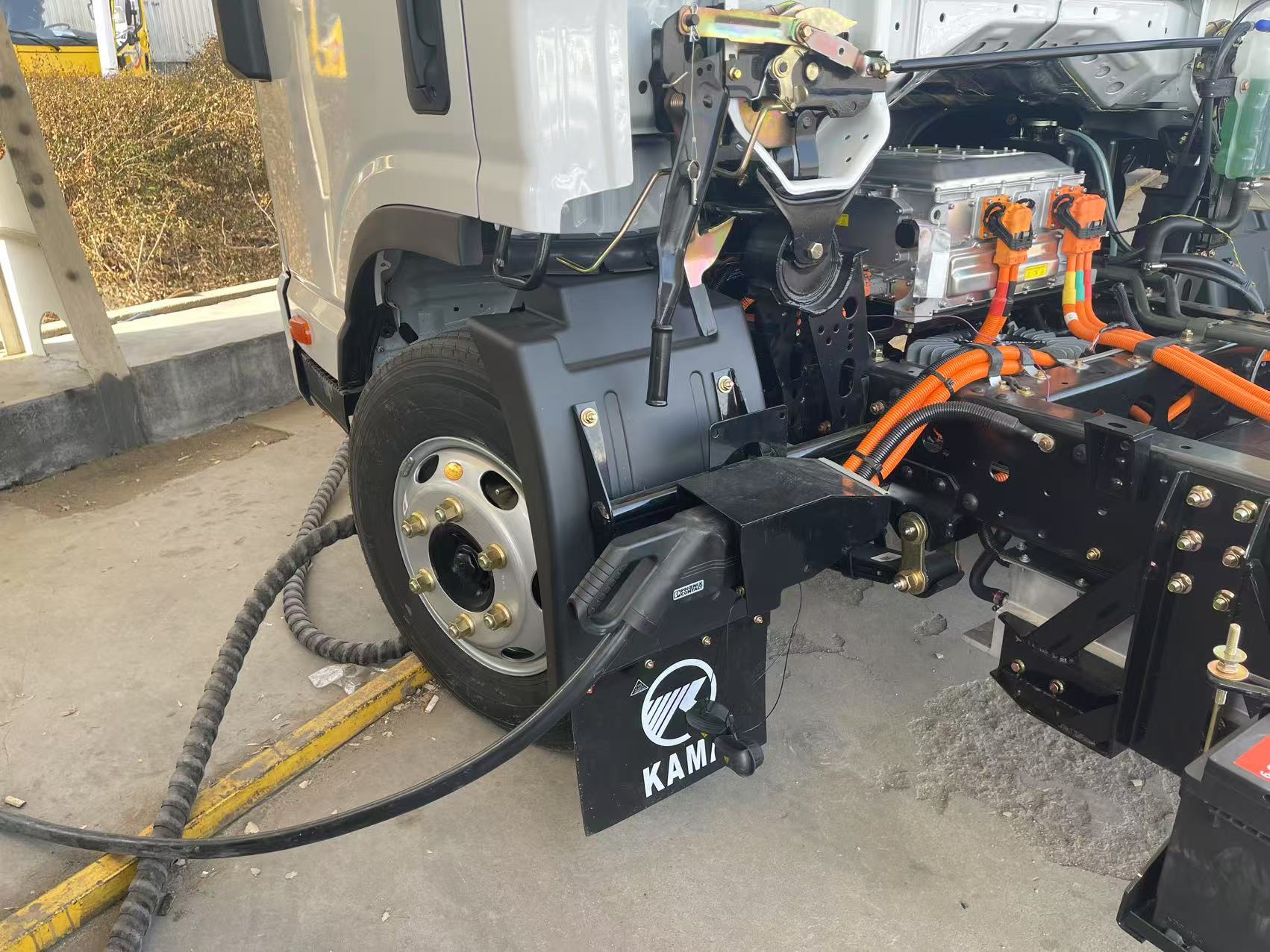
Case Study: The Euro Cargo Super Truck uses a modular chassis to seamlessly swap between 120kWh fast-charging batteries and hydrogen fuel cells, catering to varied operational demands .
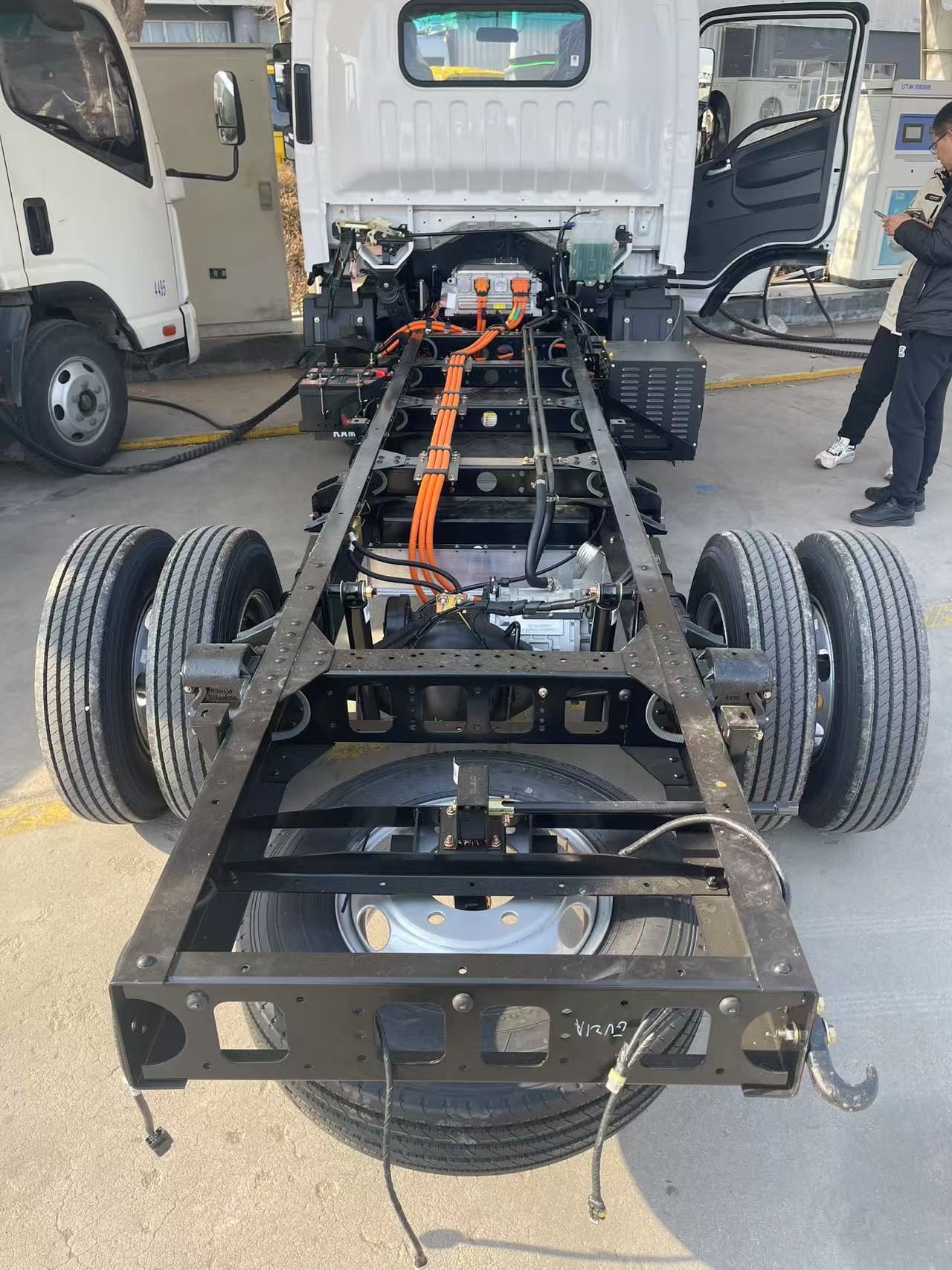
3. Smart Integration: Beyond the Physical Frame
The frame isn’t just metal—it’s a tech hub! Embedded sensors monitor stress, temperature, and load distribution in real time, while centralized electronic control systems (e.g., Cavene’s Autosar-based platform.
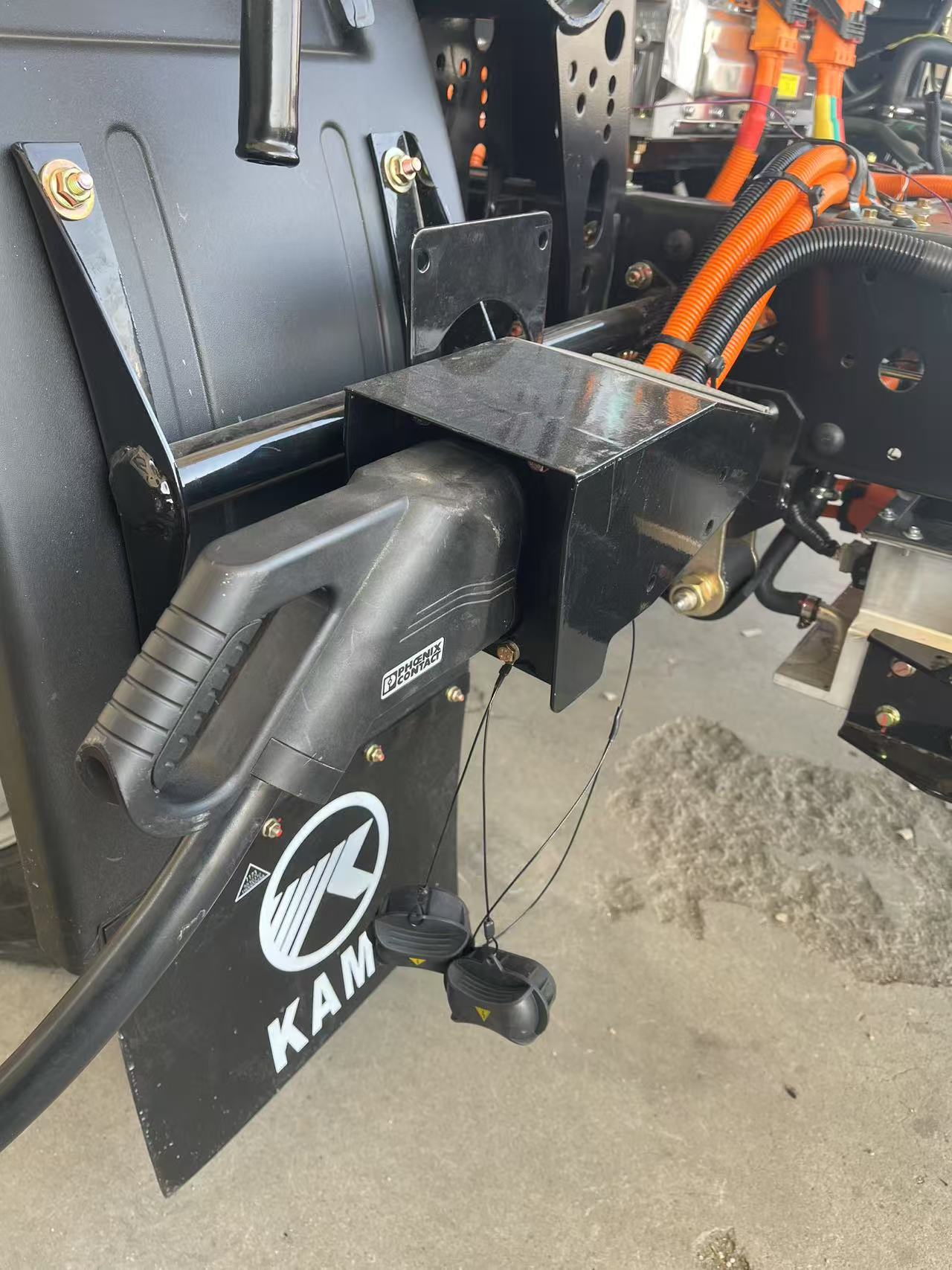
AI-Optimized Structures: Generative AI is designing ultra-lightweight frames that mimic natural geometries (think honeycomb patterns!) for maximum strength.
Conclusion
The frame structure of new energy commercial trucks is where engineering ingenuity meets environmental responsibility. By embracing lightweight materials, modular flexibility, and smart tech, these trucks aren’t just vehicles—they’re the pillars of a cleaner, smarter logistics era.