Welcome to KAMA Auto
Strategic Synergy: How the Dongfeng-Kama Alliance is Reshaping China's Commercial Vehicle Landscape
Introduction
The Chinese automotive industry, particularly the commercial vehicle segment, is characterized by intense competition and rapid evolution. In this dynamic landscape, strategic partnerships are not merely beneficial but essential for survival and growth. One of the most compelling examples of such a collaboration is the multi-faceted alliance between Dongfeng Motor Corporation, one of China's "Big Four" automobile manufacturers, and Shandong Kama Automobile Manufacturing Co., Ltd., a prominent and agile player in the light truck and mini-van market. This partnership, evolving over more than a decade, transcends a simple joint venture; it is a strategic deep-seated integration aimed at leveraging mutual strengths to capture a larger share of both the traditional and new energy vehicle markets.
Forging the Partnership: A Strategic Move
The foundation of this alliance was laid in 2010 with the establishment of a joint venture in Shouguang, Shandong province. The equity structure itself revealed the strategic intent: Kama held a controlling 51% stake, Dongfeng took 40%, and the management team held the remaining 9%. This structure was a clear signal of a partnership built on complementary needs.
For Dongfeng, a state-owned automotive giant with a stronghold in central and southern China, the partnership was a strategic gateway to the lucrative northern markets. Kama, with its deeply entrenched and extensive sales and service network in rural and county-level areas, offered an immediate and effective distribution channel that would have taken Dongfeng years to build organically. For Kama, the benefits were equally significant. Aligning with Dongfeng provided immediate access to advanced vehicle technology, robust quality management systems, and the immense brand credibility that comes with a national leader. This initial JV was a masterstroke in market-access synergy.
Deepening Ties: Equity and Supply Chain Integration
The relationship quickly matured beyond a single joint venture. Dongfeng solidified its commitment by taking direct equity stakes in several of Kama's core entities. For instance, Dongfeng holds a significant minority stake in Shandong Kama Automobile and a 40% share in Shandong Kama Vehicles Co., Ltd. This financial intertwining fostered a high level of trust and aligned their long-term interests.
This integration is further evidenced by substantial inter-company transactions. Recent financial reports from listed Kama entities show a significant year-on-year increase in procurement from Dongfeng-affiliated companies. This indicates a deepening of the supply chain relationship, where Kama increasingly relies on Dongfeng for key components like chassis and engines, benefiting from Dongfeng's economies of scale and stringent quality control. This move optimizes Kama's production costs while ensuring product reliability.
Collaboration in the New Energy Era
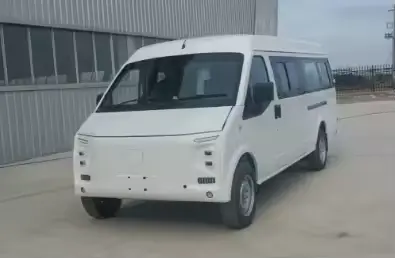
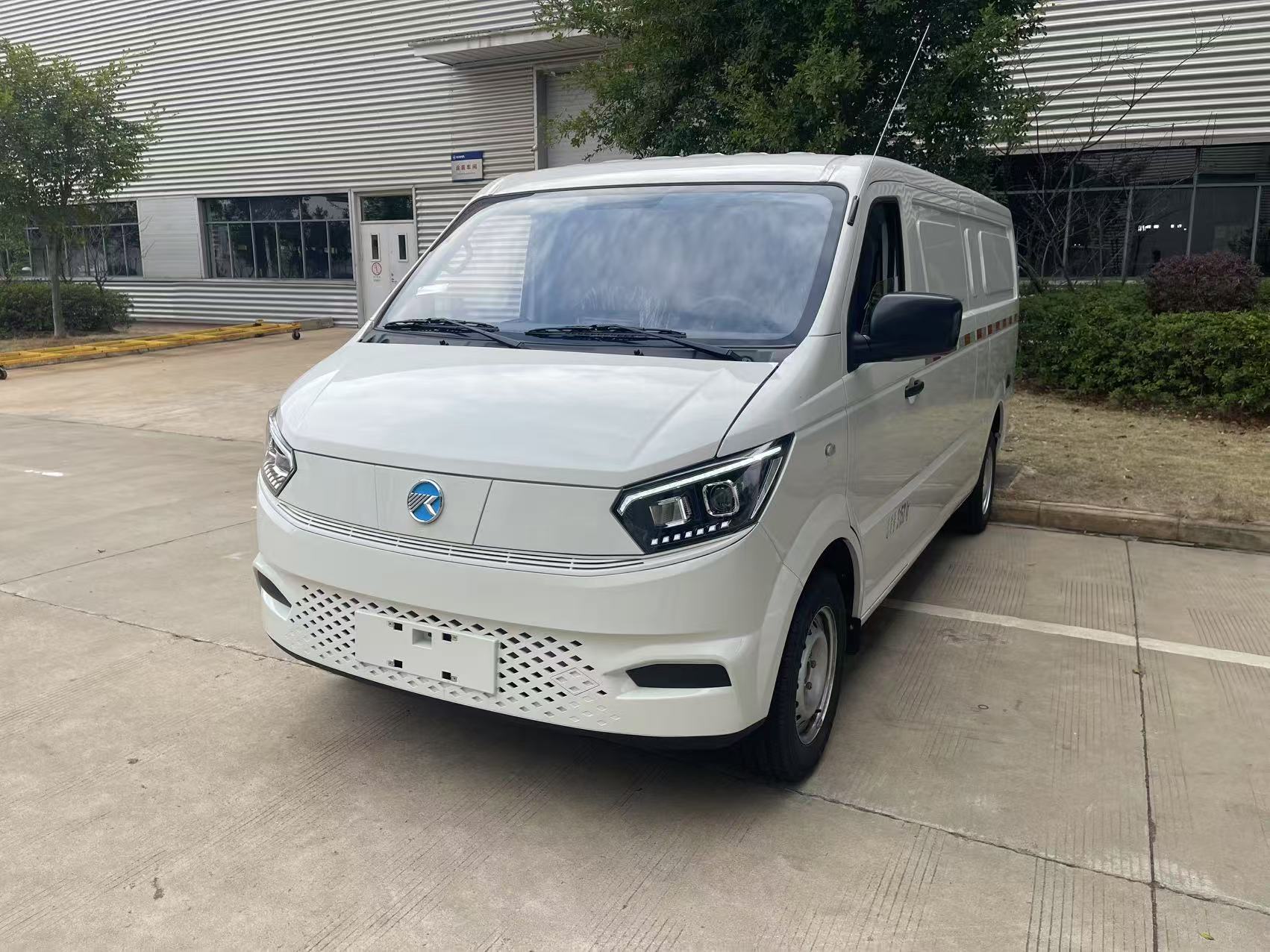
Recognizing the seismic shift towards electrification, the Dongfeng-Kama partnership has adeptly pivoted to the New Energy Vehicle (NEV) sector. A landmark project in this domain was the launch of the Dongfeng御风 (Yufeng) EM26 electric logistics vehicle, which was produced at Kama's manufacturing facility in Ganzhou.
The EM26 is a light electric van designed for intra-city logistics. This collaboration was a perfect symbiosis of strengths: Dongfeng provided the advanced EV platform and technology, while Kama contributed its cost-effective manufacturing prowess and flexibility. By producing this vehicle at the Ganzhou plant, the alliance could efficiently target growing demand for electric commercial vehicles in regional markets without overburdening Dongfeng's primary production lines. This project demonstrated that the partnership was not just about sharing existing assets but also about co-creating the future of mobility.
Synergies and Strategic Benefits
The cumulative benefits of this long-standing alliance are substantial for both parties.
For Dongfeng:
Market Penetration: Achieved rapid and deep access to the northern and rural markets through Kama's network.
Sales Volume: Boosted unit sales and market share in the highly competitive micro-truck segment.
Cost Efficiency: Gained additional volume for its components division, improving overall profitability.
For Kama:
Technology Transfer: Integrated Dongfeng's vehicle engineering expertise and quality standards, notably the Dongfeng Vehicle Evaluation System (VES), enhancing the reliability and appeal of its own products.
Brand Enhancement: Leveraged the Dongfeng brand to elevate its own market position and consumer perception.
Operational Stability: Secured a reliable supply of high-quality core components, stabilizing its production lines.
Conclusion: A Model of Strategic Cooperation
The partnership between Dongfeng and Kama stands as a robust model of strategic cooperation in the Chinese automotive industry. It has successfully evolved from a single joint venture focused on market access into a comprehensive alliance encompassing equity investment, deep supply chain integration, and collaborative development of new energy vehicles. In an era defined by technological disruption and fierce competition, this synergy allows both companies to pool resources, mitigate risks, and capitalize on emerging opportunities more effectively than they could alone. As the industry continues its transition towards electrification and intelligent connected vehicles, the resilient and adaptive nature of the Dongfeng-Kama alliance positions both companies to navigate the road ahead with greater confidence and competitiveness.