Welcome to KAMA Auto
SKD/CKD Automotive Assembly: Strategic Advantages for Global Exporters
SKD/CKD Assembly in Automotive Exports: Cost Efficiency, Market Agility, and Competitive Edge
1. Cost Reduction Strategies
1.1 Tariff Optimization
Most countries impose lower import duties on automotive components (SKD/CKD kits) versus fully assembled vehicles. Regional trade agreements further enhance these benefits.
| Country | SKD Tariff | CKD Tariff | Key Conditions | Policy Validity |
| Myanmar | 3%-5% | 1.5%-3% | Fuel vehicles, motorcycles (by engine CC) | 2024.6.1–2025.5.31 |
| Thailand | 0%-20% | 0% | EVs prioritized; fuel vehicles taxed at 50% | Long-term policy |
| Philippines | 0%-5% | 0%-5% | ASEAN-China FTA benefits | Long-term policy |
| Saudi Arabia | 5% | 5% | All vehicle types | Long-term policy |
| Australia | 0% | 0% | China-Australia FTA advantages | Long-term policy |
Policy Highlights:
EV Focus: Thailand offers 0% CKD tariffs for electric vehicles to incentivize green manufacturing.
ASEAN Advantage: SKD/CKD rates under 5% for members like the Philippines and Malaysia.
Middle East Stability: Saudi Arabia and UAE maintain fixed 5% tariffs with no restrictions.
1.2 Logistics Cost Savings
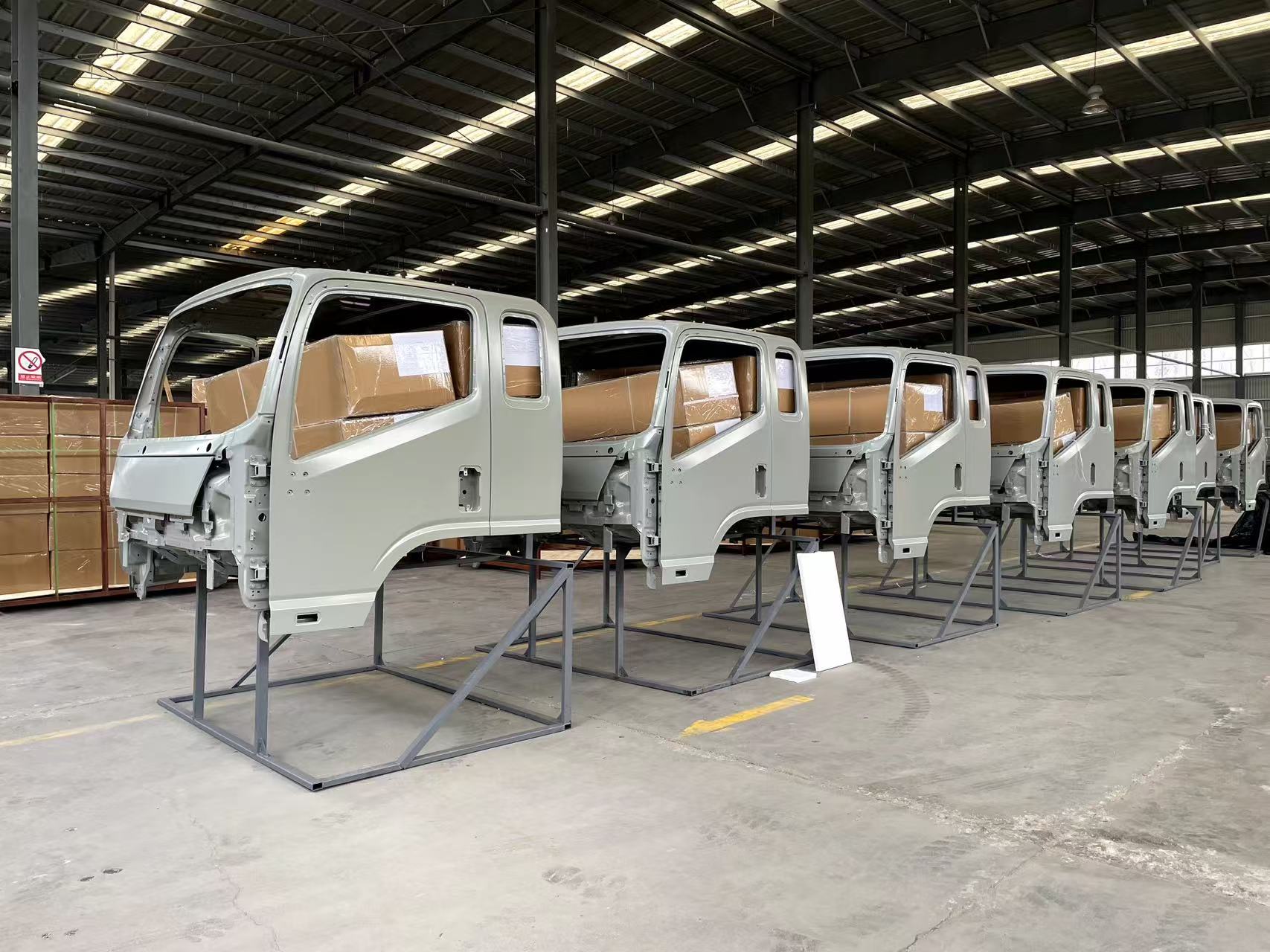
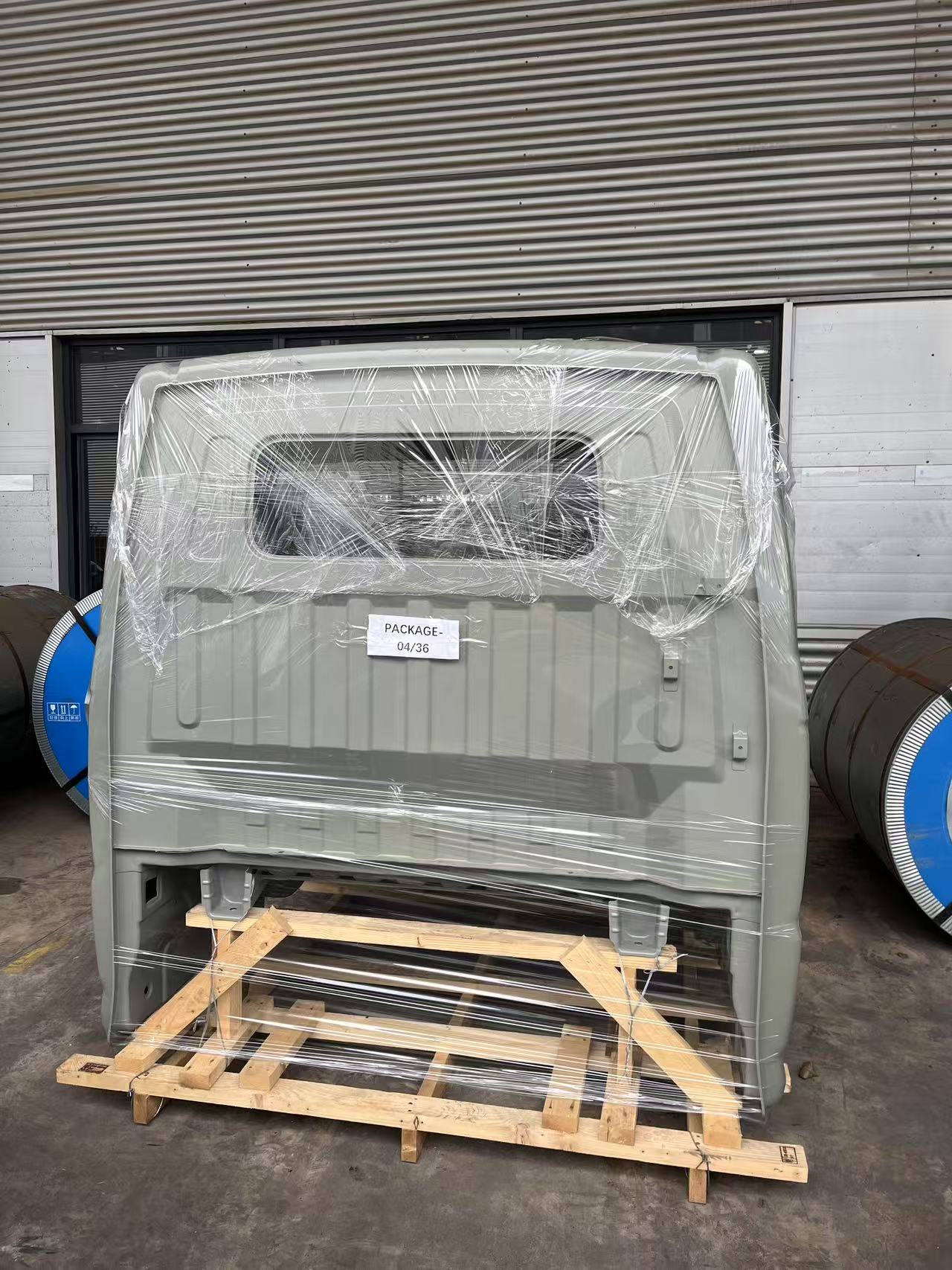
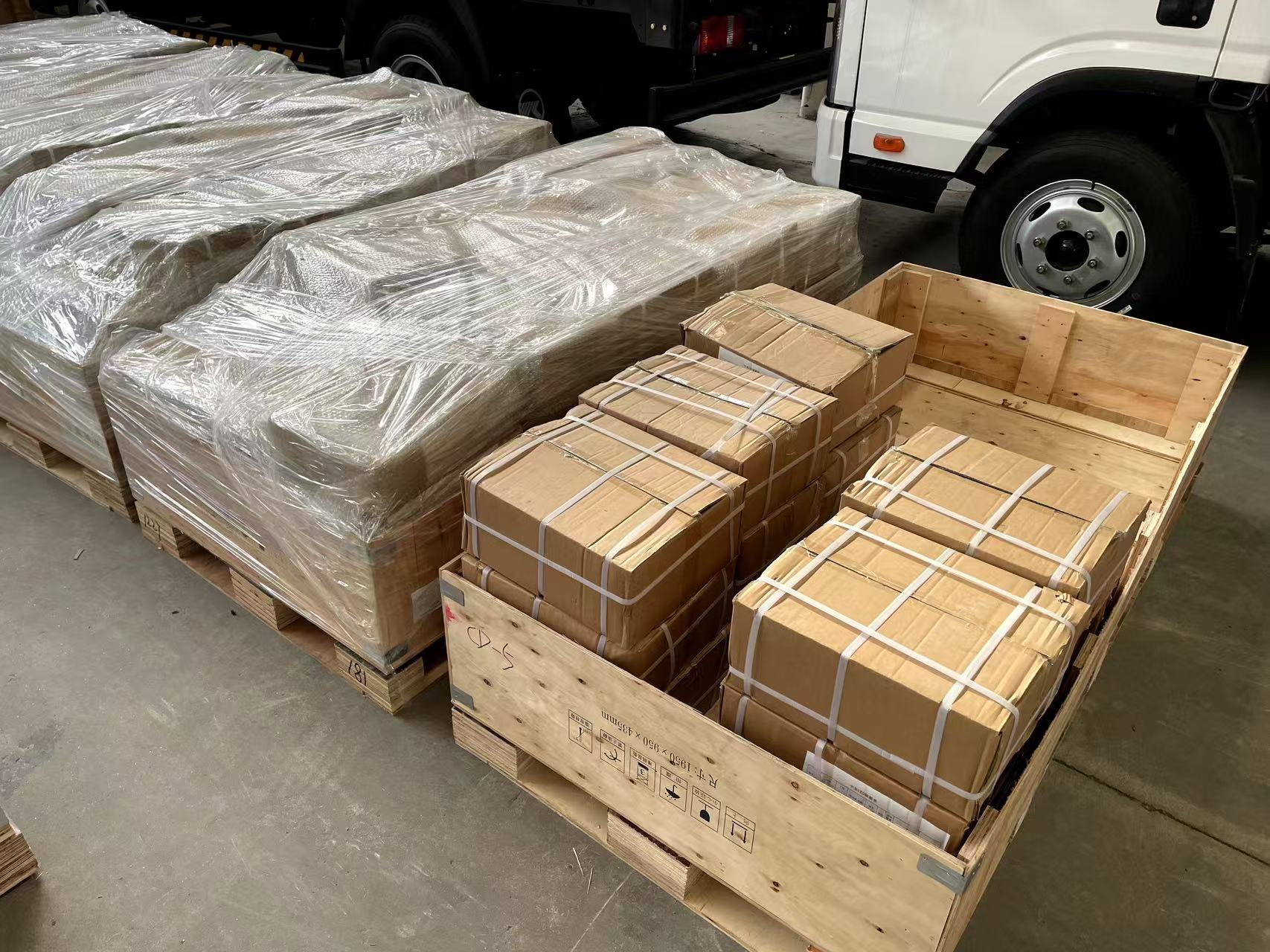
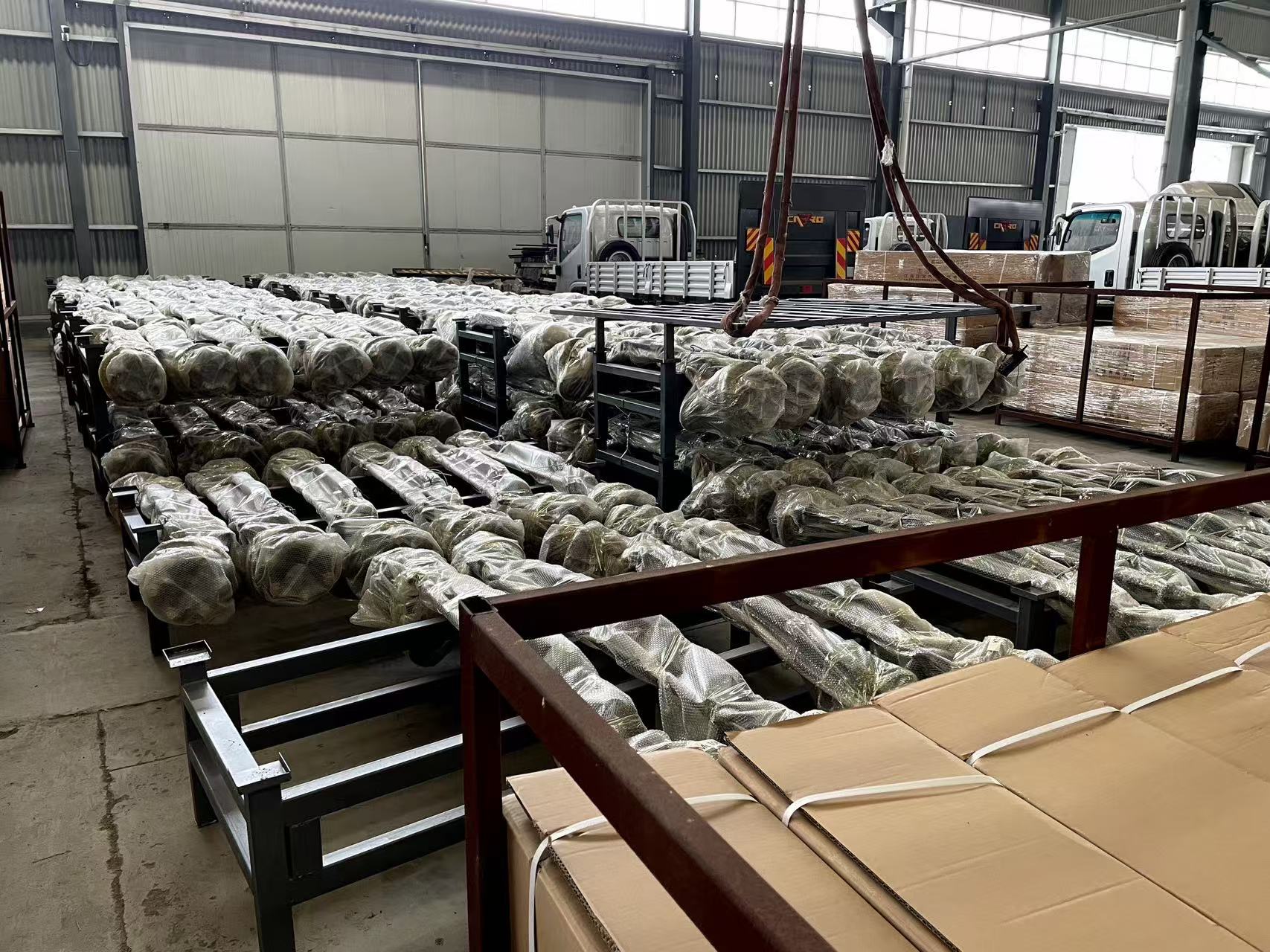
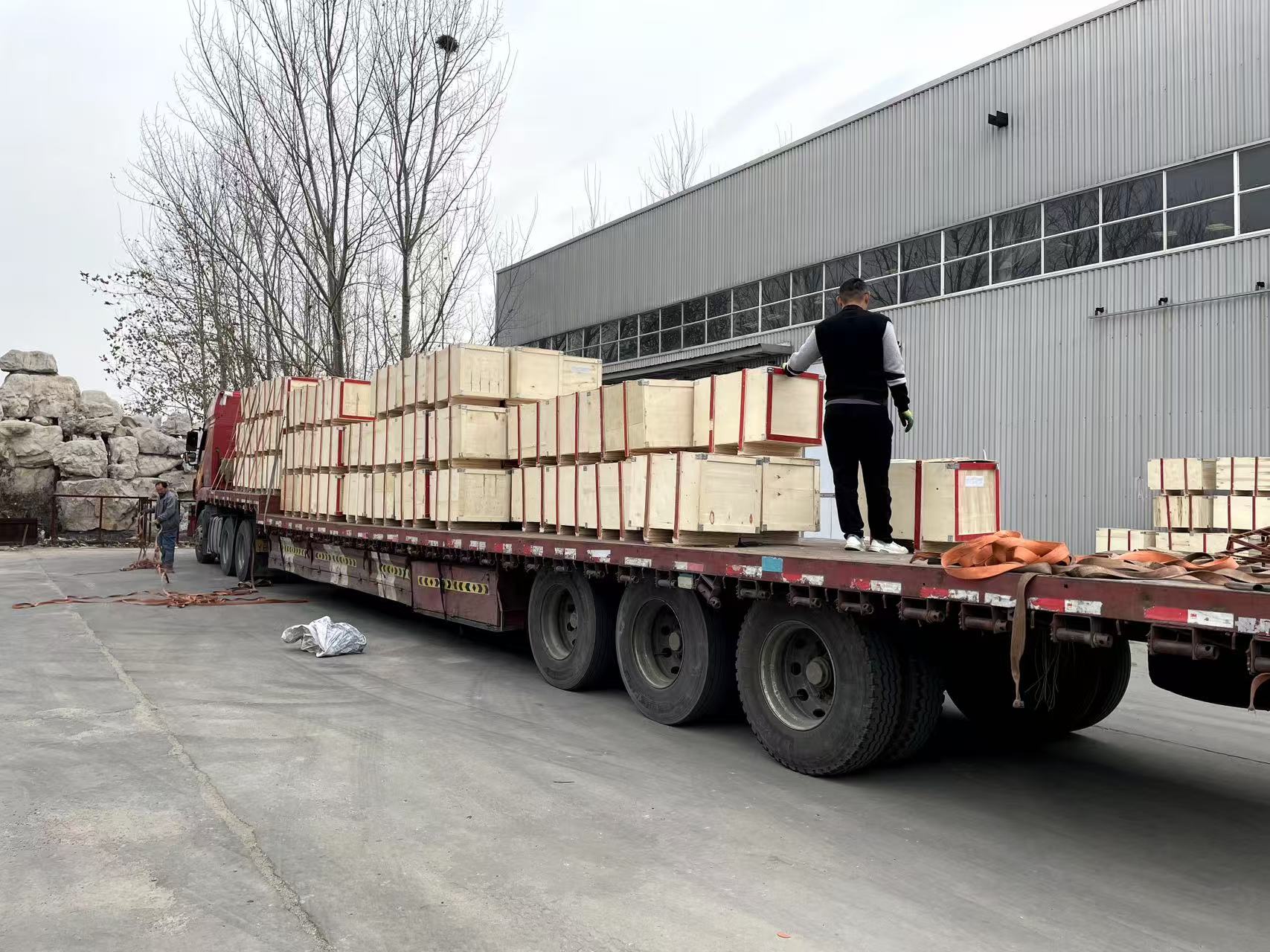
Enhanced Packaging: SKD/CKD kits reduce wasted container space by 30-50%, lowering per-unit freight costs. For example, a 10% improvement in container utilization saves 7 per vehicle.
Flexible Transport: Leverage low-cost LCL shipping or rail freight instead of expensive roll-on/roll-off vessels.
Industry Insight: SKD/CKD projects reduce logistics expenses by 20%-50%, depending on distance and packaging design.
1.3 Labor Cost Efficiency
Assembly in low-wage regions (e.g., Southeast Asia, Africa) reduces production costs while complying with local labor regulations.
2. Market Adaptability & Localization
2.1 Tailored Product Configurations
Modify vehicle features (e.g., infotainment systems, safety specs) during assembly to align with regional preferences.
2.2 Faster Supply Chain Response
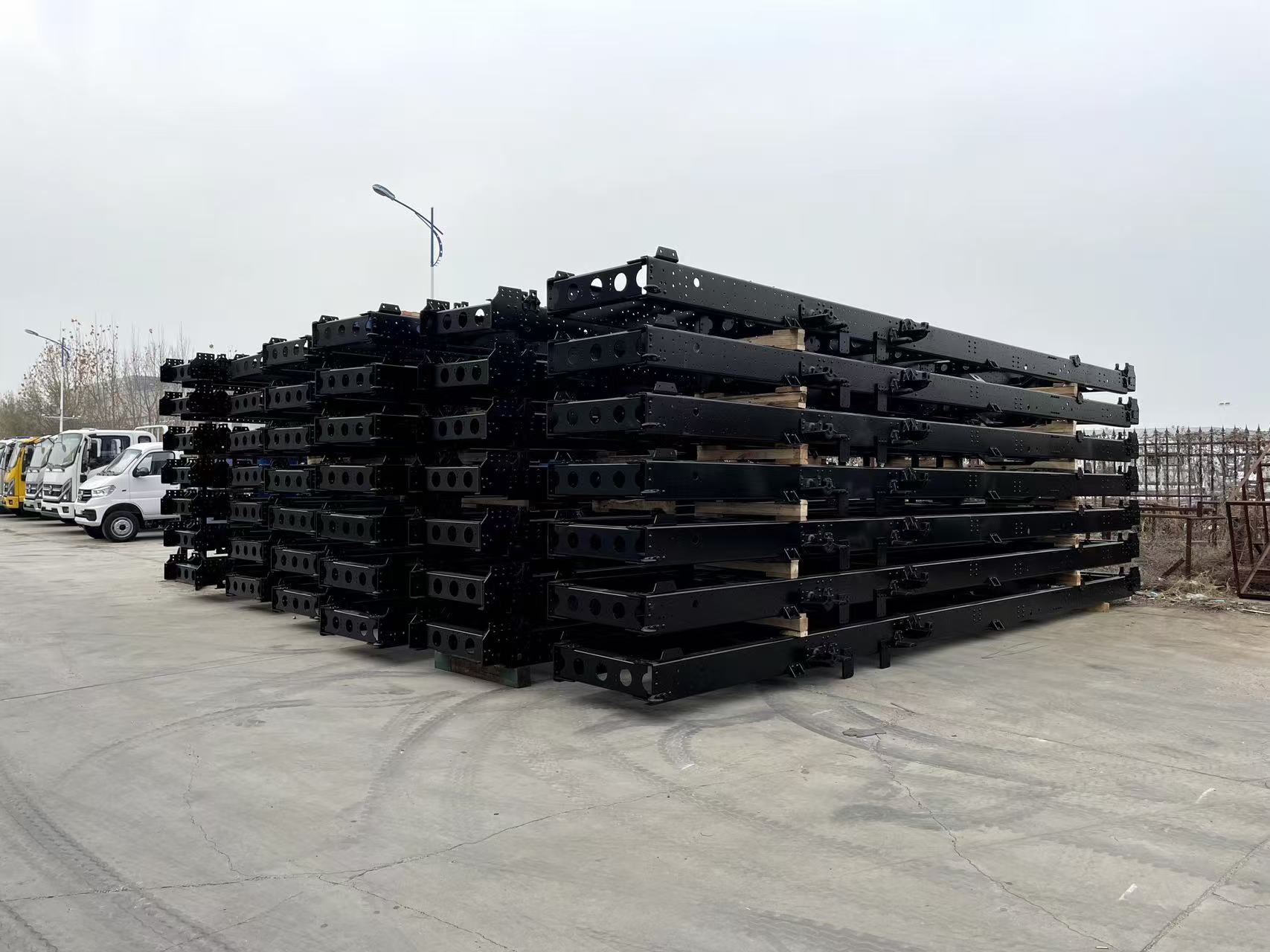
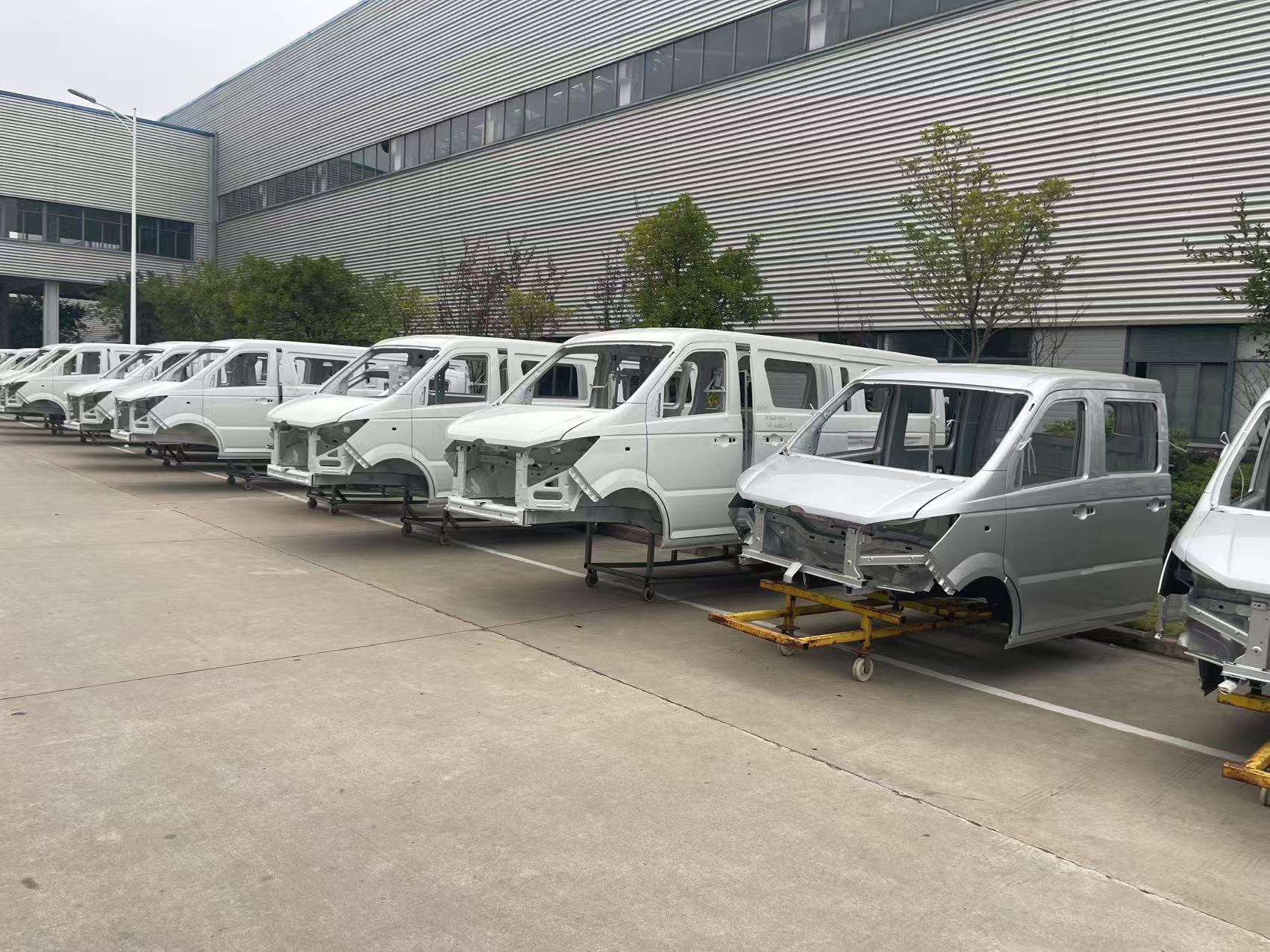
Local SKD/CKD facilities enable rapid production adjustments, slashing lead times by up to 40% compared toVehicle import and export.
3. Boosting Local Economies
3.1 Skills Development & Employment
Local assembly plants create jobs and foster expertise in automotive engineering, quality control, and logistics.
3.2 Government Incentives
Countries like Malaysia and Thailand offer tax rebates, subsidies, or land grants to attract SKD/CKD investments.
4. Resilient Supply Chain Management
4.1 Global Sourcing Flexibility
Procure components from multiple suppliers to mitigate geopolitical or supply chain disruptions.
4.2 Warehouse Optimization
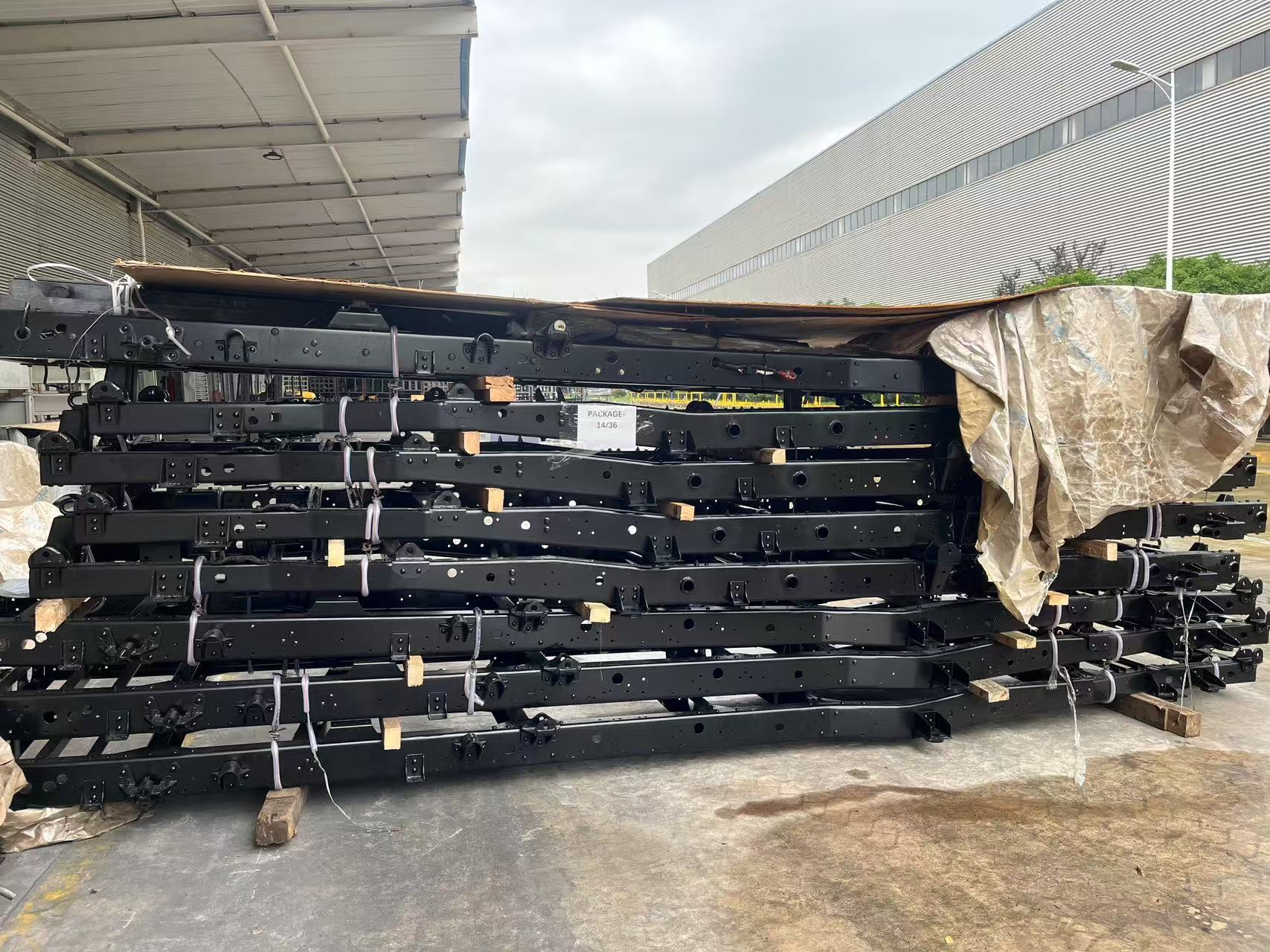
Standardized SKD/CKD packaging reduces damage rates by 15% and improves inventory turnover.
5. Competitive Pricing Advantages
By combining tariff savings, logistics efficiency, and labor optimization, exporters achieve 10-25% lower retail prices.
Case Study: Yamaha reduced premium motorcycle prices in China by 15% through CKD assembly, gaining market share.
Why SKD/CKD?
Adopting SKD/CKD assembly unlocks tariff exemptions, logistics scalability, and market responsiveness—key drivers for dominating competitive automotive markets. Align with global trade policies and leverage localized production to maximize ROI.
SEO Keywords: Automotive tariff reduction, SKD/CKD assembly, supply chain resilience, logistics optimization, localized production, cost-efficient manufacturing, global automotive trade, market penetration strategies.