Welcome to KAMA Auto
Left-Hand Drive Electric Commercial Vehicles for Africa, Middle East and Latin America
Why Left-Hand Drive Electric Commercial Vehicles Are Becoming a Smart Choice for Emerging Market Fleets
The Growing Demand for Practical Electric Commercial Vehicles
Across Africa, the Middle East, South America and Central Asia, commercial vehicle buyers are paying more attention to electric mobility. For many fleet operators, the focus is no longer only about environmental protection. The more practical concern is operating cost, fuel price uncertainty, city delivery efficiency and long-term vehicle availability.
For importers, distributors, logistics companies, government projects and last-mile delivery operators, left-hand drive electric commercial vehicles are becoming a realistic option. Compared with passenger EVs, electric cargo vans, mini trucks and minibuses are directly connected with business income. They are used for delivery, passenger transport, municipal service, small business distribution and urban logistics.
This makes the electric commercial vehicle segment one of the most valuable categories for global vehicle buyers in 2026 and beyond.
Why Left-Hand Drive Models Matter
Many emerging markets use left-hand drive vehicles as the standard road configuration. For buyers in Africa, the Middle East, Central Asia and Latin America, choosing a left-hand drive electric vehicle can reduce registration barriers, improve driver adaptation and support easier fleet operation.
A suitable left-hand drive commercial vehicle should not only be electric. It should also match local working conditions. Buyers usually care about:
Driving range for daily operation
Battery reliability
Cargo volume or passenger capacity
Charging port compatibility
Spare parts supply
After-sales support
Export documents and certification support
Availability for bulk orders or project procurement
For this reason, export-ready electric commercial vehicles are becoming more attractive than standard domestic-market models.
Electric Cargo Vans for Urban Logistics
Electric cargo vans are especially suitable for city delivery, small business transport, warehouse distribution and e-commerce logistics. In many cities, delivery routes are predictable and daily mileage is relatively stable, which makes electric vans easier to manage.
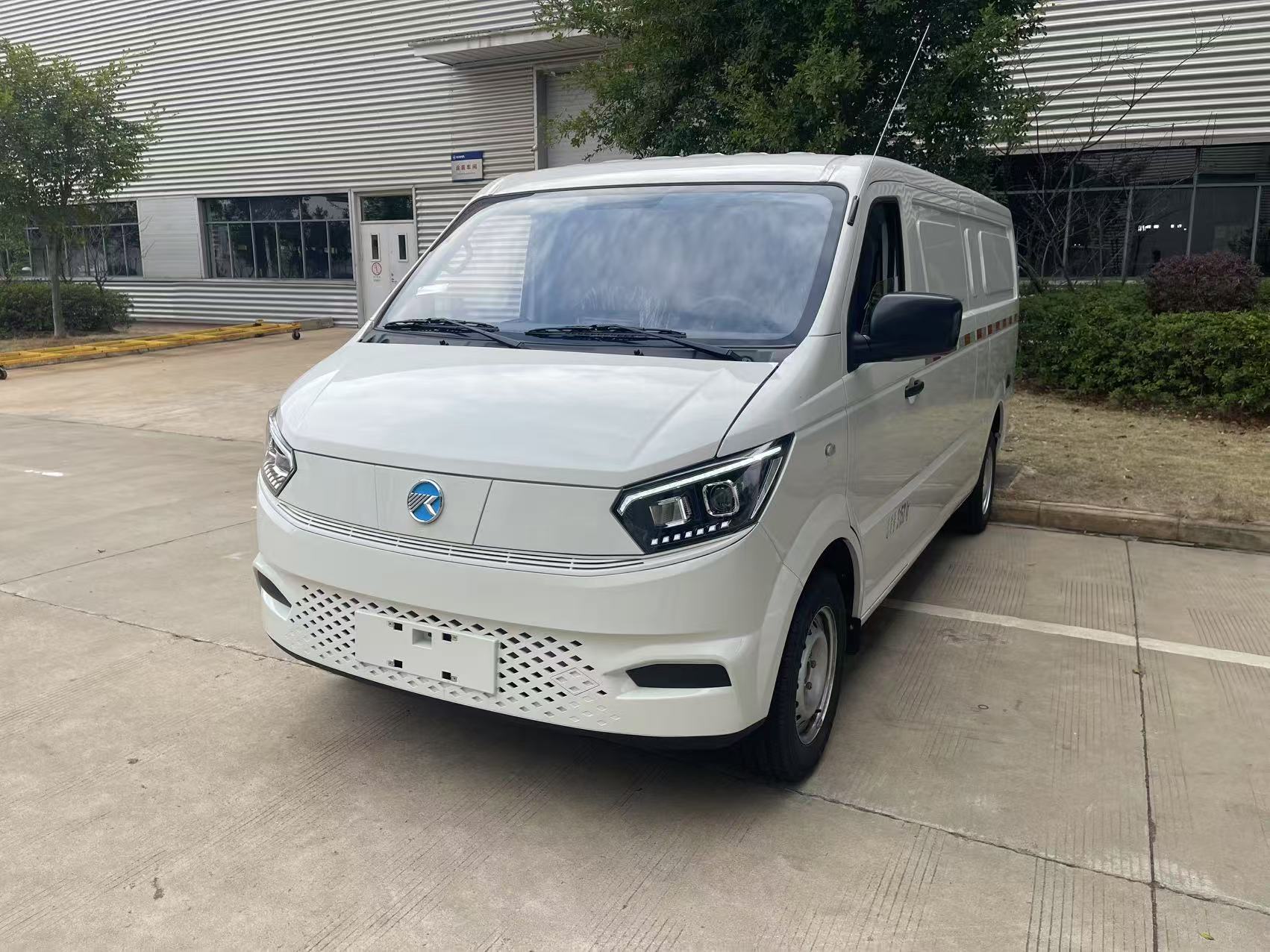
KAMA electric cargo van models such as ES6, ES7 and ES8 are designed for practical commercial use. They offer different cargo space options, left-hand drive configurations and battery choices for different markets. For buyers who need compact urban delivery vehicles, these models can help reduce daily fuel dependency while maintaining flexible loading capacity.
Electric cargo vans are also suitable for companies that want to build a cleaner and more modern fleet image. For importers and distributors, this category is easier to promote because the application scenarios are clear: delivery, cargo transport, service teams and small business logistics.
Electric Mini Trucks for Flexible Commercial Use
In many emerging markets, small trucks are widely used by traders, farmers, logistics operators and municipal service providers. Electric mini trucks can serve similar daily tasks while offering lower energy consumption and simpler maintenance compared with traditional fuel vehicles.
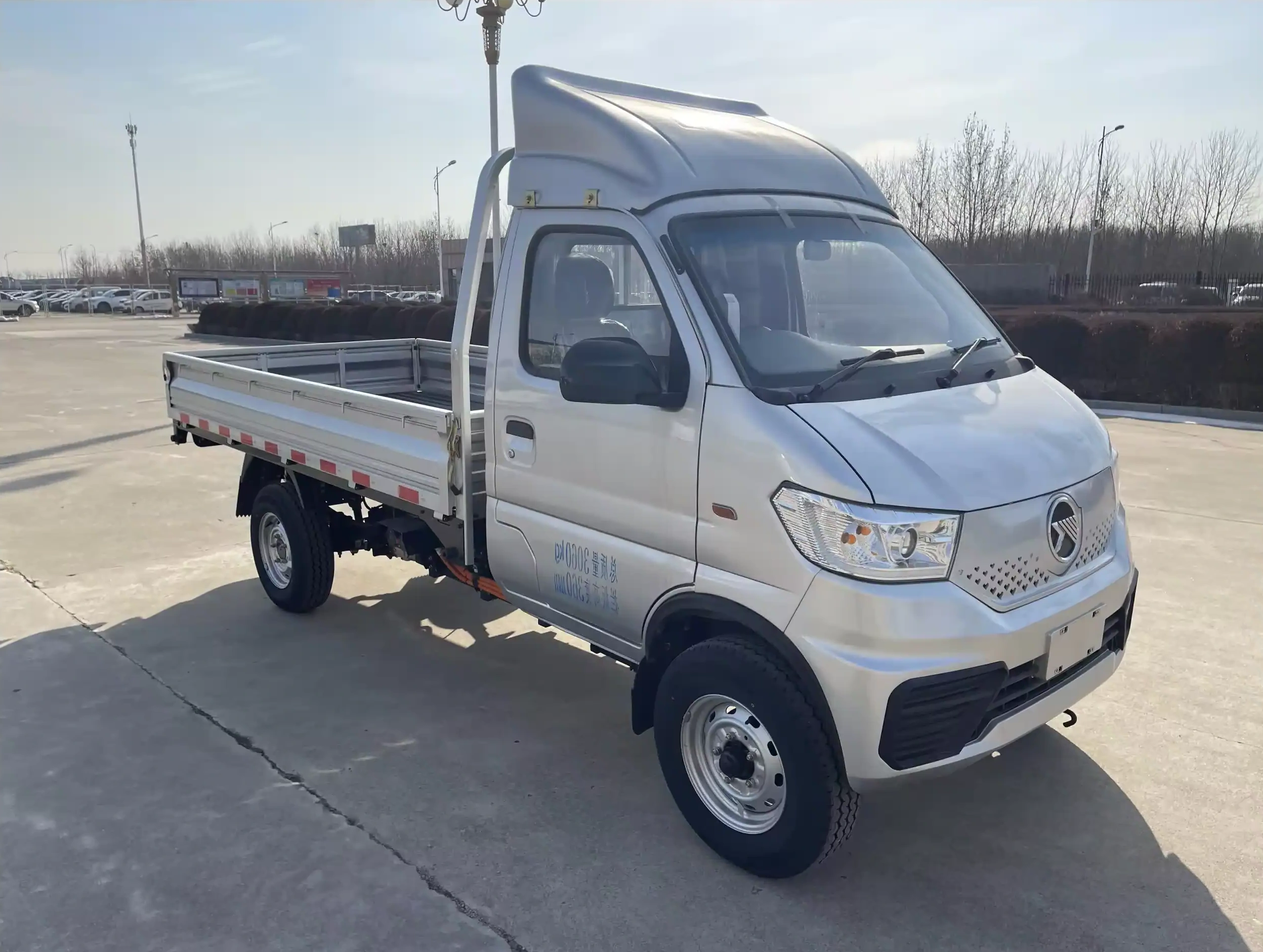
KAMA electric mini truck series, including models such as EV, EW, EX and EM series, can meet different business scenarios. Buyers can choose single cab, double cab, cargo box, van box or special body solutions depending on the final use.
For markets where fuel cost is high or fuel supply is unstable, electric mini trucks can be a practical alternative for short-distance transport, industrial parks, port areas, urban delivery and government fleet projects.
Electric Minibuses for Passenger Transport
Passenger transport is another important direction for electric commercial vehicles. In many countries, minibuses are used for shuttle service, school transport, company commuting, hotel transfer, tourism and public transport projects.
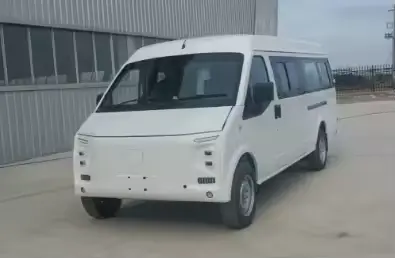
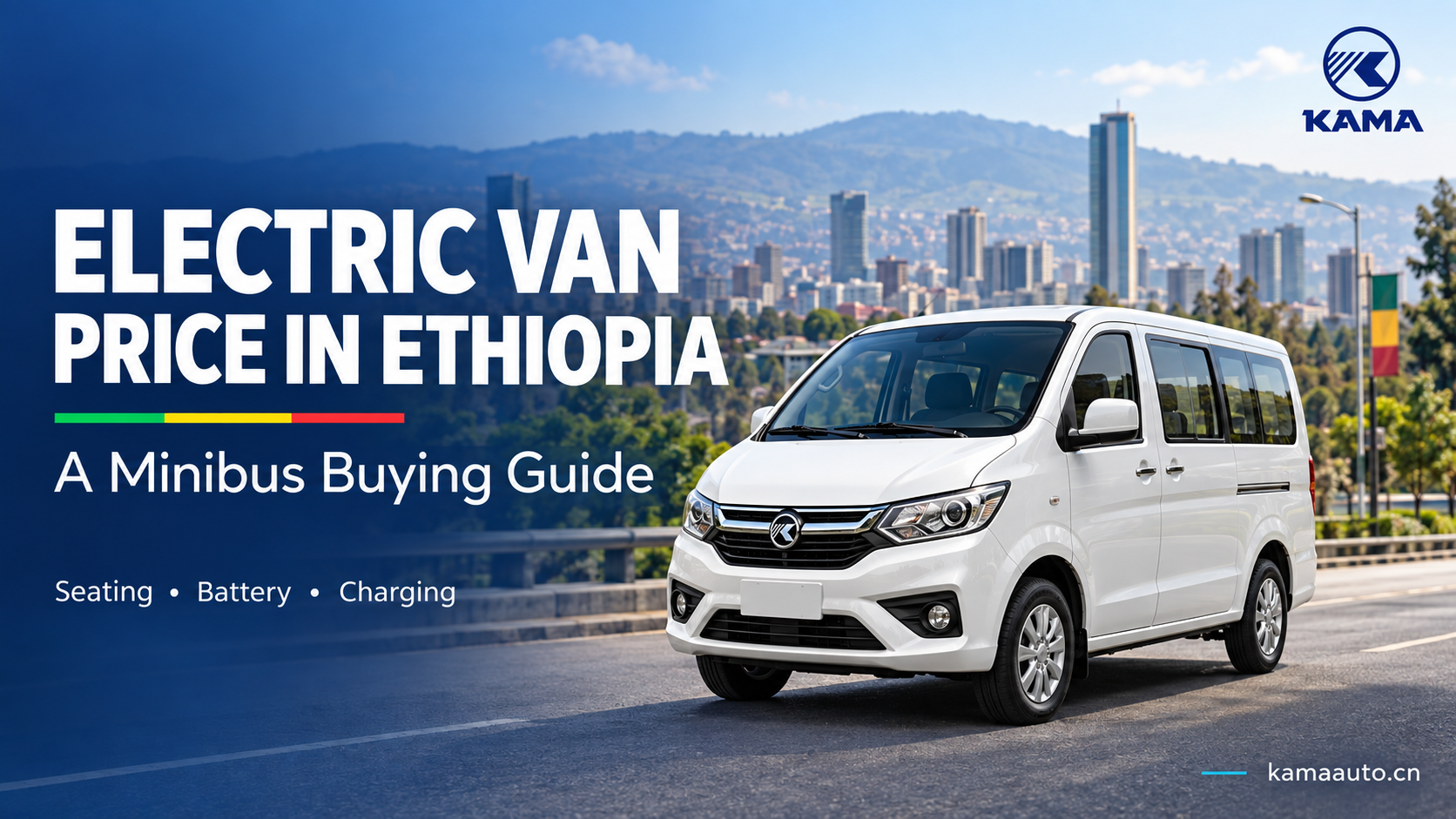
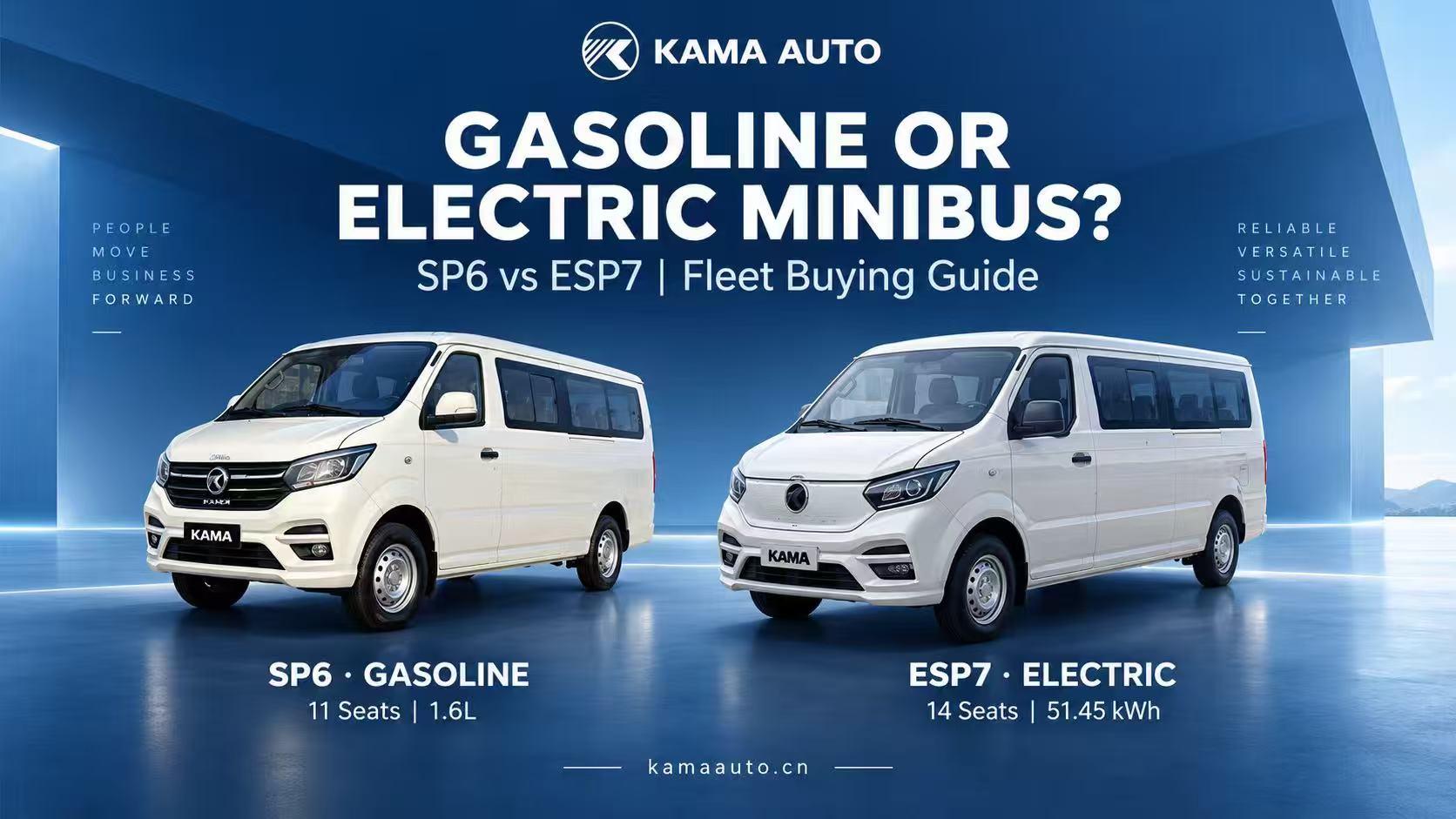
KAMA electric minibus models such as ESP6, ESP7 and ESP8 provide left-hand drive options for markets where passenger transport demand is growing. Compared with fuel minibuses, electric minibuses can reduce operating cost in fixed-route applications, especially when the buyer has access to stable charging facilities.
For fleet buyers, the key is not only the purchase price. The total cost of operation, route planning, passenger capacity and after-sales service are more important for long-term business performance.
What Global Buyers Should Check Before Purchasing
Before importing electric commercial vehicles, buyers should carefully confirm the local usage environment and project requirements. The most important points include charging infrastructure, road conditions, battery specification, spare parts plan, registration requirements and target application.
For example, a buyer purchasing electric cargo vans for urban delivery may need more cargo volume and faster loading efficiency. A buyer purchasing electric mini trucks for municipal service may care more about body customization and durability. A minibus buyer may focus on seating layout, safety configuration and passenger comfort.
A professional supplier should help customers select the right model instead of simply offering one standard vehicle.
Why Choose KAMA for Commercial Vehicle Export
KAMA has long experience in commercial vehicle manufacturing and export. The product range covers electric cargo vans, electric mini trucks, electric minibuses, gasoline mini vans, gasoline minibuses, diesel light trucks and special-purpose commercial vehicles.
For international buyers, KAMA can support different market requirements, including left-hand drive configuration, commercial vehicle body solutions, export documentation, spare parts planning and project-based communication.
Whether the buyer is an importer, distributor, fleet operator or government project contractor, KAMA can provide practical vehicle solutions for different business scenarios.
Conclusion
The demand for left-hand drive electric commercial vehicles is growing because global buyers are looking for more practical, cost-efficient and export-ready transport solutions. Electric cargo vans, mini trucks and minibuses are no longer only future products. They are becoming useful tools for daily business operations in emerging markets.
For buyers in Africa, the Middle East, South America and Central Asia, choosing the right electric commercial vehicle can help improve fleet efficiency, reduce fuel dependency and prepare for the next stage of commercial transport development.
KAMA provides export-ready left-hand drive electric commercial vehicles for global commercial buyers. Contact us to find the right model for your market, fleet or project.