Welcome to KAMA Auto
Revolutionizing Urban Mobility: The Long-Range 18-Seater Mini Electric Bus for Sustainable Transport
Introduction: The Future of Urban Transportation
The global shift toward sustainable mobility has accelerated the demand for electric vehicles (EVs), particularly in emerging economies where urbanization, pollution, and traffic congestion pose significant challenges. The Long-Range 18-Seater Mini Electric Bus emerges as a transformative solution, combining cutting-edge technology, eco-friendly performance, and adaptability to diverse transport needs. Designed for markets like South Africa, Nigeria, and Belt and Road Initiative (BRI) countries, this bus addresses critical gaps in urban logistics, public transit, and regional connectivity while supporting environmental goals .
Key Features and Innovations
Exceptional Range and Battery Efficiency
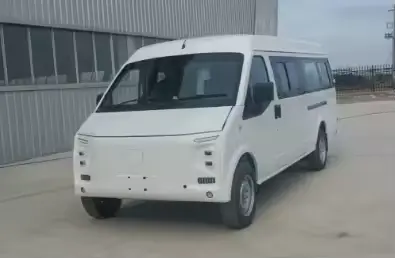
Equipped with a 86.1 kWh lithium iron phosphate (LiFePO4) battery, this bus achieves an impressive NEDC range of 400 km on a single charge, making it ideal for daily operations without frequent recharging .
Advanced battery management systems (BMS) ensure longevity and safety, with warranties extending up to 150,000 km, reducing maintenance costs and enhancing reliability .
Robust Performance and Adaptability
The bus features a 100-150 kW electric motor delivering smooth acceleration and a torque of up to 300 Nm, enabling efficient performance on urban roads and challenging terrains .
With dimensions of 5,380 mm × 1,880 mm × 2,320 mm and a 3,110 mm wheelbase, it offers maneuverability in crowded cities while accommodating up to 18 passengers comfortably .
Safety and Comfort
Safety features include ABS, ESC, rearview cameras, and radar systems (front and rear), ensuring passenger security in diverse driving conditions .
The interior is designed for comfort, with options for cloth or leather seats, LED lighting, and manual or air conditioning systems, enhancing the passenger experience .
Customization and Infrastructure Compatibility
Applications Across Industries
The versatility of this mini electric bus makes it suitable for multiple sectors:
Public Transportation: Ideal for urban transit systems, including bus rapid transit (BRT) corridors and last-mile connectivity projects. For example, similar electric buses have been deployed in Dakar, Senegal, and Maputo, Mozambique, to reduce emissions and improve mobility .
Tourism and Hospitality: With a compact size and comfortable seating, it serves as a shuttle for tourists in destinations like South Africa’s game reserves or Nigeria’s urban centers .
Corporate and Institutional Use: Suitable for employee transportation in industrial zones, universities, and large facilities, aligning with corporate sustainability goals .
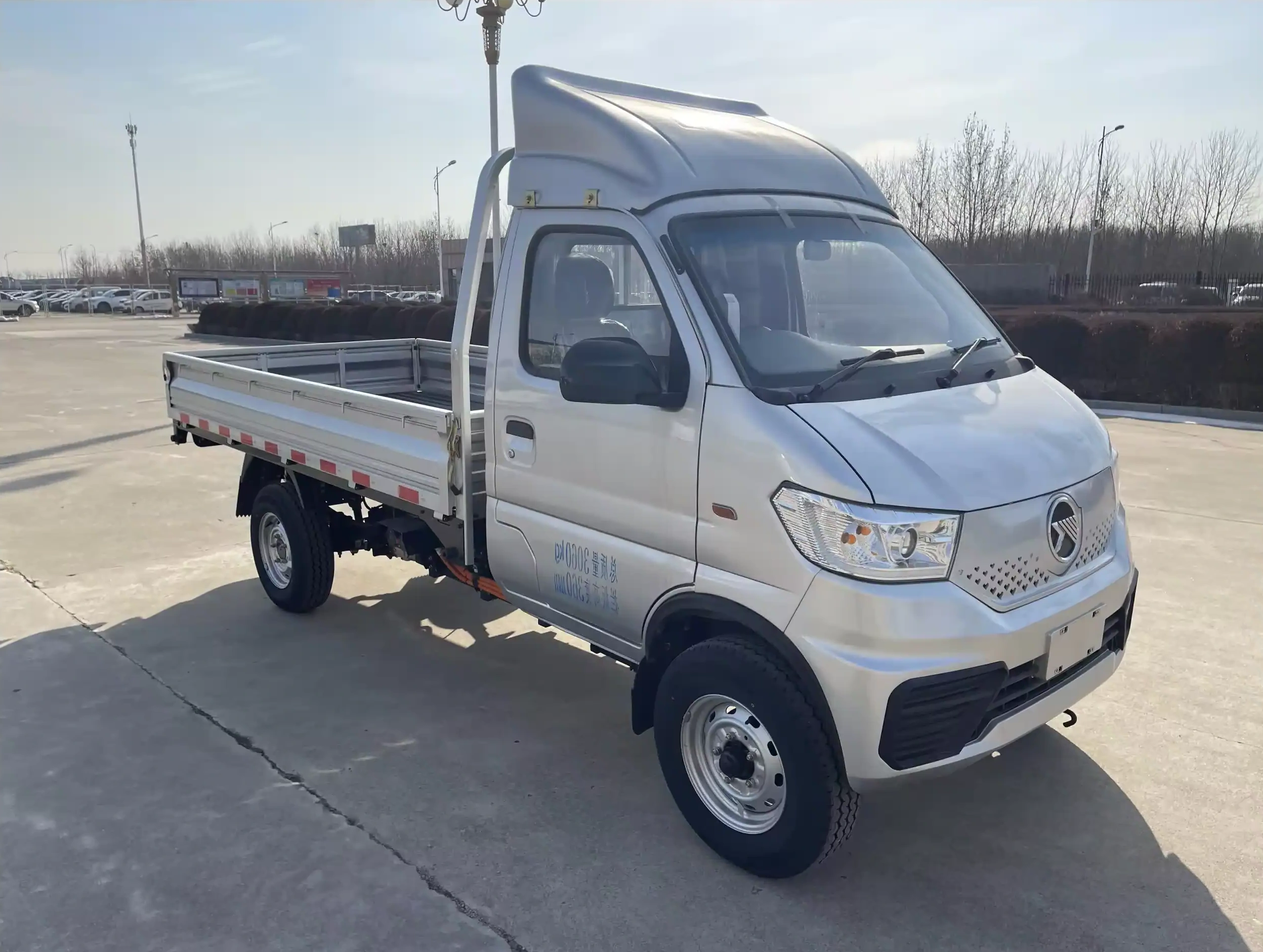
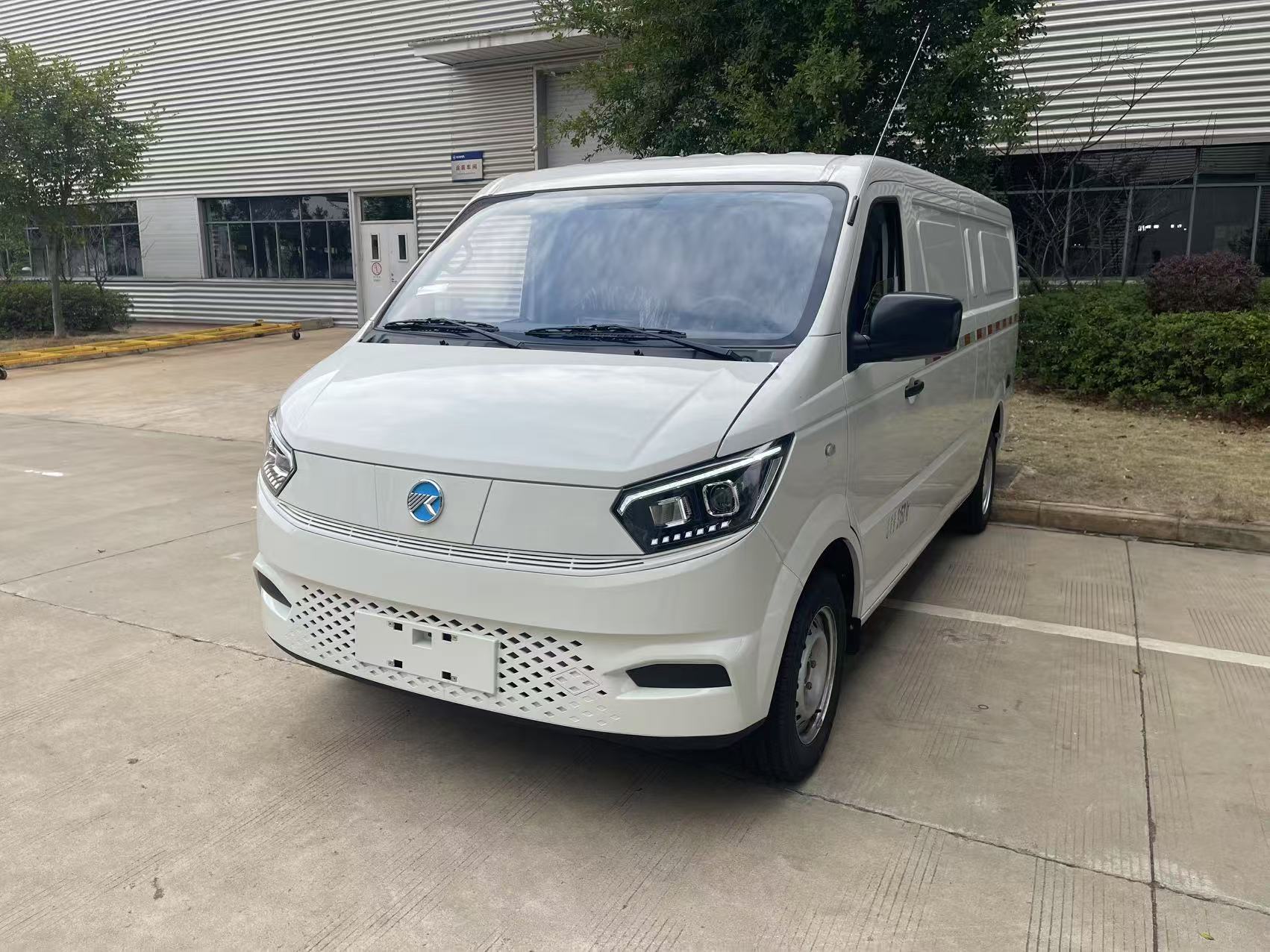
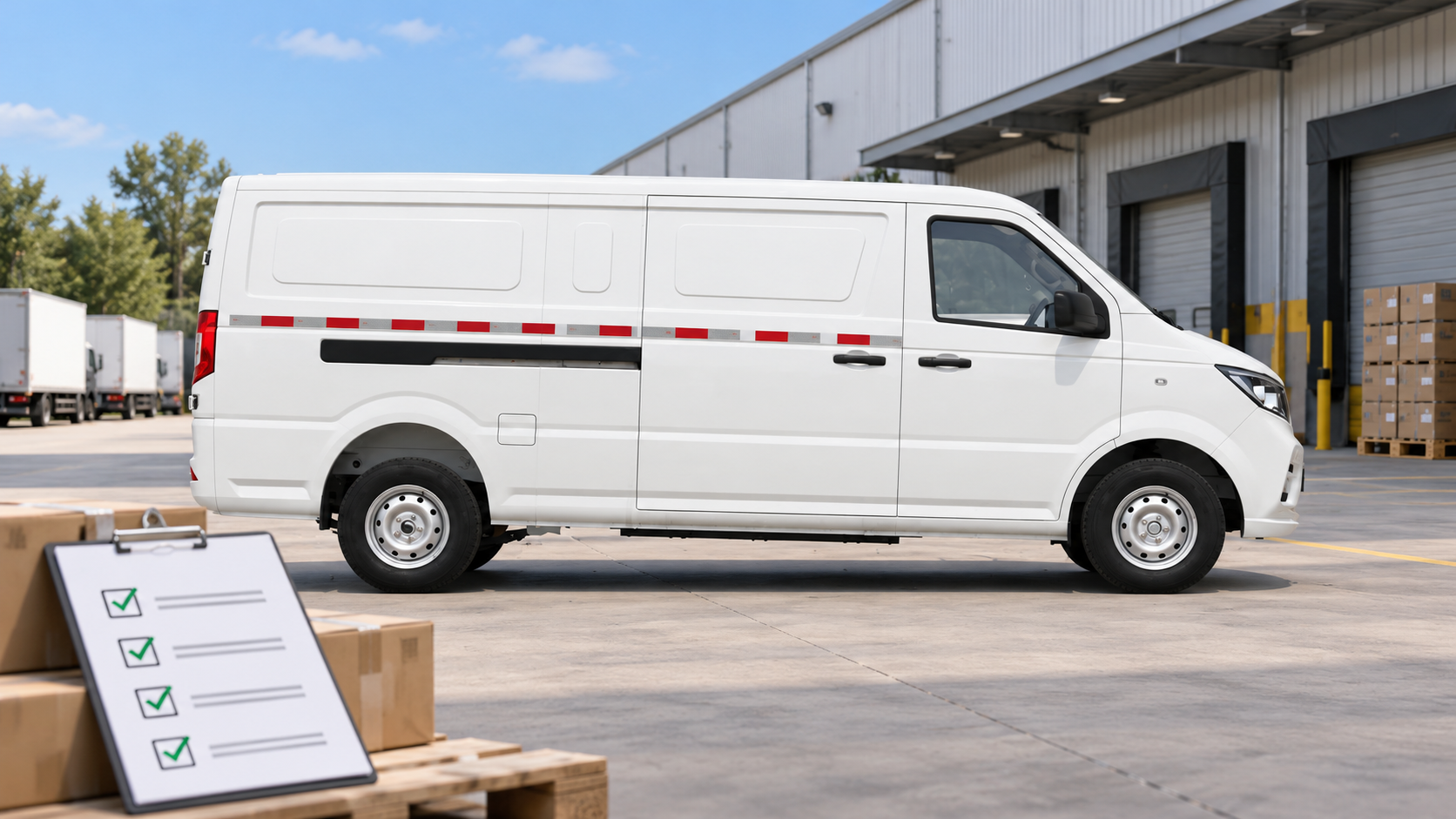
Logistics and Cargo Transport: Configurable for cargo use, supporting urban delivery services and regional distribution networks .
Market Relevance: South Africa, Nigeria, and BRI Countries
South Africa
South Africa’s transportation sector relies heavily on minibuses, which account for over 75% of public transit . The electric mini bus can reduce operational costs (e.g., fuel savings) and emissions, addressing the country’s air quality challenges while supporting its Just Energy Transition goals.
Nigeria
With rapid urbanization and traffic congestion in cities like Lagos, this bus offers a efficient solution for mass transit. Its high range and durability suit Nigeria’s rough road conditions, while electric power mitigates reliance on expensive imported fuel .
Belt and Road Initiative (BRI) Countries
BRI nations, including Senegal and Mozambique, are investing in sustainable infrastructure. For instance, Senegal’s Dakar BRT project uses 18-meter electric buses to serve high-capacity routes . The mini bus complements these efforts by providing feeder services to rural and peri-urban areas.
Competitive Advantages
Cost-Effectiveness: Priced at ¥286,438.20 (approx. $39,500) per unit, it offers a lower total cost of ownership compared to diesel alternatives due to reduced fuel and maintenance expenses .
Environmental Benefits: Zero tailpipe emissions contribute to cleaner air, aligning with global climate goals and local regulations in target markets .
Localized Support: Manufacturers provide training programs for local engineers (e.g., partnerships with vocational schools in Mozambique), ensuring long-term maintenance and operational efficiency .
Challenges and Solutions
Charging Infrastructure: Limited charging stations in some regions can be addressed through public-private partnerships and phased infrastructure rollouts.
Initial Investment: High upfront costs may deter buyers, but government subsidies and financing models (e.g., leasing) can improve accessibility .
Conclusion: Driving Sustainable Development
The Long-Range 18-Seater Mini Electric Bus represents a leap forward in sustainable transportation for emerging economies. By combining reliability, efficiency, and adaptability, it not only meets the immediate needs of urban mobility but also supports long-term environmental and economic goals. As countries like South Africa and Nigeria accelerate their EV adoption, and BRI nations expand their green infrastructure, this bus is poised to become a cornerstone of intelligent, eco-friendly transport systems worldwide.