Welcome to KAMA Auto
Revolutionizing Urban Logistics with Electric Vans in Emerging Markets
Kama KaiJie M3: Revolutionizing Urban Logistics with Electric Vans in Emerging Markets
In the rapidly evolving landscape of electric commercial vehicles, one model is poised to transform urban transport across South America and Africa: the Kama KaiJie M3 electric van. As global demand for efficient, eco-friendly logistics solutions reaches unprecedented levels, this Chinese-engineered vehicle offers a compelling blend of performance, affordability, and sustainability—exactly what emerging markets need to power their growing economies while reducing environmental impact.
The Global Shift Toward Electric Commercial Vehicles
The electric vehicle revolution is no longer limited to passenger cars. Recent data reveals astonishing growth in the commercial EV sector, particularly in regions actively seeking sustainable transportation solutions.
In Europe, electric van registrations saw a remarkable 41.1% year-on-year increase in September 2025, demonstrating the accelerating adoption of clean transport solutions. Meanwhile, emerging markets are following suit. Africa has witnessed an 87% surge in electric vehicle adoption in recent years, with countries like South Africa implementing ambitious government targets to phase out fossil fuel vehicles by 2035.
The numbers speak volumes about where the market is heading. Global electric bus sales are projected to grow at a 14.2% compound annual growth rate (CAGR) through 2030, potentially reaching a market value of $37.5 billion. Similar growth trajectories are expected for electric vans and light trucks as technology improves and costs decline.
Kama KaiJie M3: Engineered for Emerging Markets
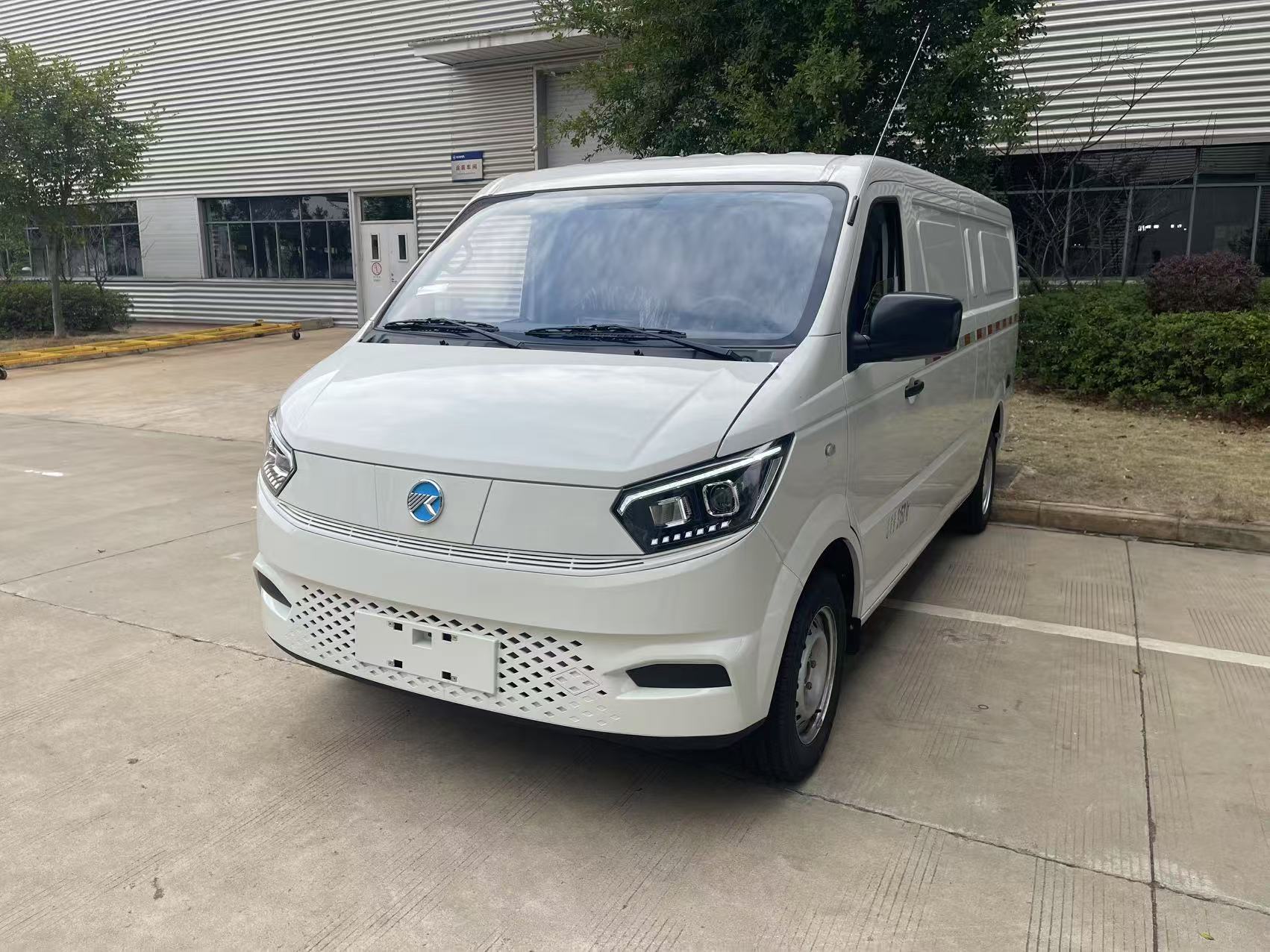
The Kama KaiJie M3 represents a strategic response to the specific needs of developing economies. Unlike many Western-designed EVs that prioritize features over practicality, the M3 focuses on the core requirements of businesses in regions like South America and Africa: reliability, maintenance cost, and operational efficiency.
Performance and Specifications
Built on a proven platform, the electric version of the KaiJie M3 features a 76.32 kWh ternary lithium battery supplied by Delaneng. This power source enables a CLTC range of 295 kilometers on a single charge—more than adequate for daily urban and suburban delivery routes.
Power comes from a Shenjiang permanent magnet synchronous motor (model SJ050300B-2103) that delivers 100 kW of peak power and an impressive 500 N·m of instant torque. This substantial low-end torque is particularly valuable in stop-start city driving conditions and for vehicles that carry substantial payloads.
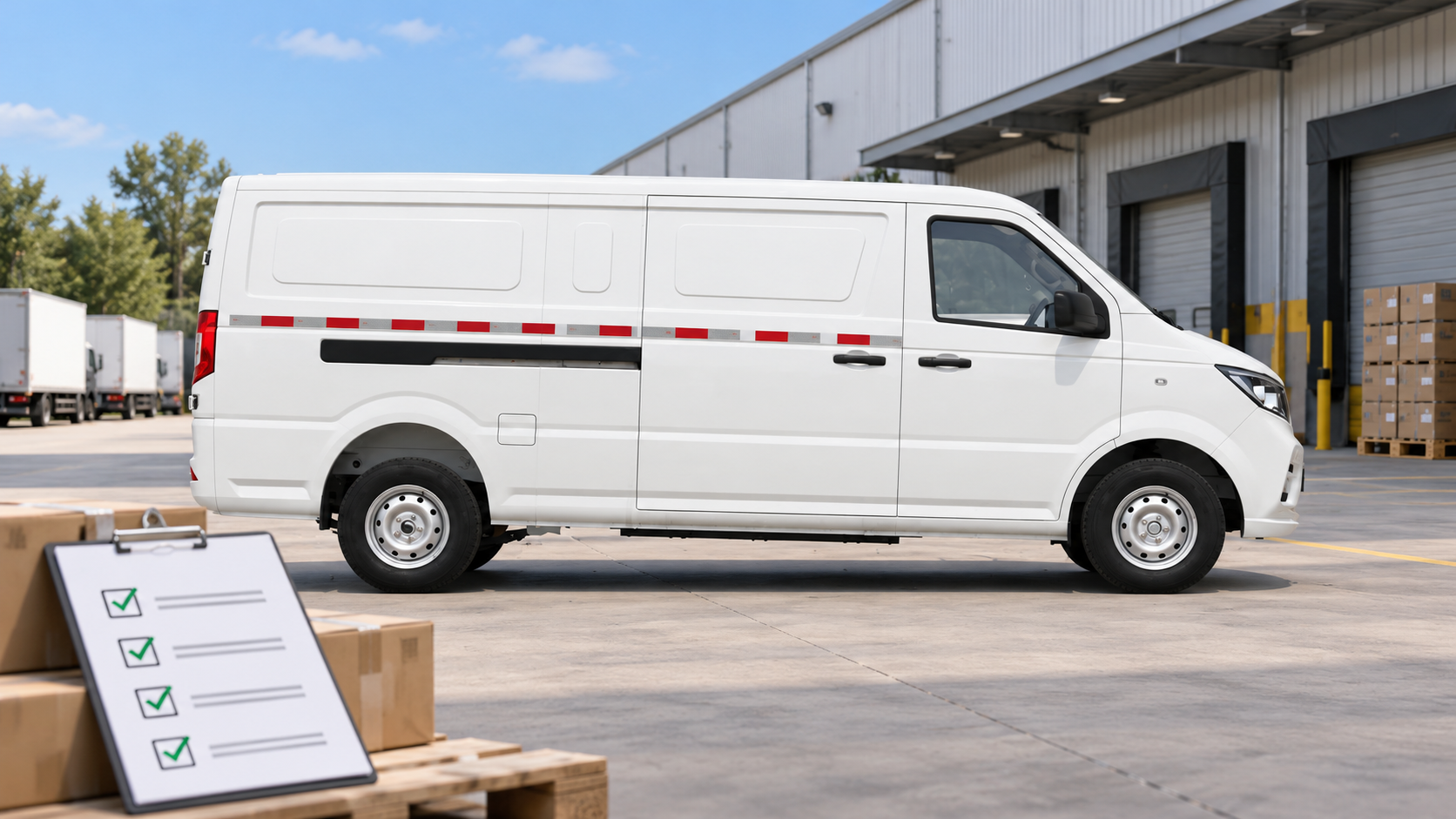
With a top speed of 90 km/h and a 4.16-meter cargo box, the M3 electric strikes an optimal balance between performance and practicality. The van's dimensions—5.995 meters long, 2.24 meters wide, and 3.2 meters high—make it maneuverable enough for narrow urban streets while providing substantial cargo capacity.
Economic Advantages
Perhaps most importantly for price-sensitive markets, the Kama KaiJie M3 delivers exceptional value. With an estimated price of approximately $16,980 (or 169,800 RMB), it offers a compelling total cost of ownership compared to both traditional diesel vans and other electric alternatives.
The economic case strengthens when considering operating costs. Electricity costs typically run 30-50% less than equivalent diesel fuel expenses, while electric vehicles require less maintenance—no oil changes, fewer fluid replacements, and reduced brake wear thanks to regenerative braking systems.
Strategic Market Applications
The versatility of the Kama KaiJie M3 makes it suitable for multiple business applications across emerging markets:
Urban Logistics and E-commerce: With the explosive growth of e-commerce in cities across South America and Africa, the M3's range and cargo capacity perfectly match the needs of last-mile delivery services.
Municipal Services: The platform can be adapted for waste collection, public works, and other municipal functions, helping cities meet sustainability targets.
Commercial Fleets: From telecommunications to utility companies, the M3 offers businesses a way to stabilize fuel costs while demonstrating environmental responsibility.
Charging Infrastructure Development
A legitimate concern in emerging markets is charging infrastructure, but significant progress is being made. Brazil has launched ambitious plans to deploy 42,000 charging stations nationwide while investing heavily in domestic EV production facilities.
Similarly, South Africa is implementing its "National Charging Network 2025" initiative, requiring all highway service areas and major shopping centers to install at least four fast-charging stations. The private sector is complementing these efforts, with companies developing solar-powered charging solutions that bypass grid reliability issues—a particularly valuable innovation in regions with unstable electricity supply.
Government Policies Creating Favorable Conditions
Supportive regulatory frameworks are accelerating EV adoption across target markets:
Brazil offers purchase subsidies and tax incentives for electric vehicles while pushing for increased localization of production.
South Africa provides up to 15% purchase subsidies and exempts EVs from import duties, significantly improving affordability.
Multiple African nations are implementing carbon reduction targets specifically for the transportation sector, creating a regulatory environment favorable to zero-emission vehicles.
Competitive Positioning
The Kama KaiJie M3 enters a market segment increasingly crowded with international competitors. However, its strategic pricing—typically 20-30% lower than European or Japanese equivalents—positions it advantageously in price-sensitive emerging markets.
Chinese commercial vehicle manufacturers have demonstrated remarkable success in Africa recently, with vehicle exports to the continent growing by 67% in the first five months of 2025 alone. This established presence creates brand familiarity and after-sales support networks that benefit new model introductions like the M3 electric.
The Road Ahead
As emerging markets continue their rapid urbanization and economic development, vehicles like the Kama KaiJie M3 will play an increasingly vital role in creating sustainable transportation ecosystems. With its balanced specifications, competitive pricing, and practical range, this electric van offers business owners a logical pathway to electrification without compromising capability or breaking their budgets.
The future of urban logistics in South America and Africa is undoubtedly electric—and the Kama KaiJie M3 is positioned to be at the forefront of this transformation.