Welcome to KAMA Auto
Passenger Vans and Minibuses for School & Staff Transport | KAMA Auto
Passenger Vans and Minibuses for School, Staff and Shuttle Transport: 2026 Importer Guide for Emerging Markets
Passenger vans and minibuses remain important commercial vehicles in many emerging markets. From school transport and company commuting to hotel transfer, tourism service and local shuttle routes, buyers need vehicles that are practical, durable and suitable for daily passenger operation.
For importers and distributors, passenger vans are not only single-vehicle products. They can become a complete business segment serving schools, companies, hotels, transport operators, government projects and local institutions.
In 2026, many fleet buyers are comparing fuel passenger vans, electric minibuses and customized shuttle vehicles more carefully. The best choice depends on the destination country, road condition, passenger capacity, route distance, fuel or charging availability, budget and local registration requirements.
Why Passenger Vans Are Important in Emerging Markets
In many developing and fast-growing markets, passenger transport is closely linked with daily business activity. Schools need safe and manageable transport. Companies need staff shuttle vehicles. Hotels and tourism operators need reliable group transfer solutions. Local transport companies need vehicles that can operate frequently with reasonable running costs.
Compared with large buses, passenger vans and minibuses are easier to operate on narrow roads, urban streets, community routes and regional transport lines. Compared with small passenger cars, they offer better passenger capacity and stronger commercial value per trip.
This makes passenger vans a practical category for distributors who want to serve both institutional buyers and private transport operators.
Main Applications for Passenger Vans and Minibuses
Passenger vans and minibuses can be used in several business scenarios.
For school transport, buyers usually care about seat layout, safety configuration, air conditioning, door design, visibility and daily route reliability. The vehicle should be easy to manage and suitable for repeated daily operation.
For staff shuttle service, companies usually need vehicles for fixed morning and evening routes. This application is often suitable for centralized fleet management because the route and parking location are predictable.
For hotels and tourism operators, passenger comfort, luggage space, air conditioning and interior appearance are important. These buyers may use vans for airport pickup, hotel transfer, local tours and group travel.
For local passenger transport, operators usually focus on durability, seating capacity, maintenance cost and spare parts availability. In this segment, the vehicle must match local road conditions and operating habits.
For government or institutional projects, buyers may require documents, configuration confirmation, after-sales planning and sometimes special registration or certification documents.
Passenger Van or Minibus: How to Choose
The choice between a passenger van and a larger minibus should depend on the actual operating scenario.
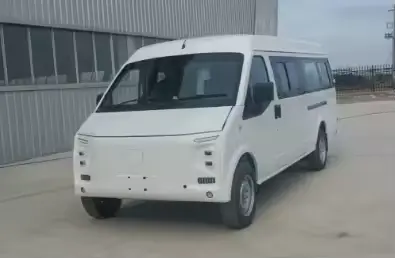
A passenger van is usually suitable for smaller groups, school routes, hotel transfer, company commuting and urban shuttle service. It is easier to drive and may be more flexible in narrow roads or city areas.
A minibus is more suitable when the buyer needs higher passenger capacity, regular public transport routes, larger institutions or fleet operation. It may provide better passenger capacity per vehicle, but it also requires more attention to route width, parking space, licensing rules and maintenance planning.
Before selecting a model, importers should not only ask for the lowest price. They should first confirm the real passenger number, route distance, road condition, driver license requirement and local registration rules.
Fuel or Electric Passenger Van: Which Is More Suitable?
Both fuel and electric passenger vehicles have their own suitable applications.
Fuel passenger vans are still practical in many markets where long-distance routes, rural roads, uncertain daily mileage or limited charging infrastructure are common. Gasoline or diesel options may be easier for buyers who already have existing fuel service networks and maintenance experience.
Electric passenger vans and minibuses can be suitable for fixed-route operation, such as school transport, company staff shuttle, hotel transfer, airport routes, campus transport and closed-area operation. These routes are usually more predictable, and charging can be arranged at a fixed parking location.
For distributors, the right strategy is not to promote one powertrain for every customer. A better approach is to recommend fuel or electric models according to local infrastructure, route distance, budget, passenger capacity and customer operation model.
Key Points Importers Should Check Before Purchasing
Before importing passenger vans or minibuses, buyers should confirm several important points.
First, confirm the destination country and local registration requirements. Passenger vehicles may face different rules from cargo vehicles, especially when used for school transport or public passenger service.
Second, confirm the required seat layout. Some customers may need compact passenger vans, while others may need 14-seat, 18-seat or other passenger configurations. The final layout should match local regulations and buyer usage.
Third, confirm left-hand drive or right-hand drive requirements. Steering configuration is one of the most important points before quotation.
Fourth, check road condition and operating environment. Rough roads, high temperature, dust, hills or rural routes may require stronger suspension, suitable tires, effective cooling and easier maintenance.
Fifth, confirm air conditioning requirements. For school transport, tourism, hotel transfer and staff shuttle, air conditioning can directly affect passenger comfort and customer acceptance.
Sixth, check spare parts planning. For distributors and fleet buyers, common spare parts should be considered together with the first order to reduce future downtime.
Seventh, confirm whether the buyer needs CBU, SKD or CKD cooperation. Complete vehicle import is often suitable for testing the market, while SKD or CKD may be discussed with qualified partners that have assembly resources and a clear sales plan.
How Distributors Can Build a Passenger Vehicle Lineup
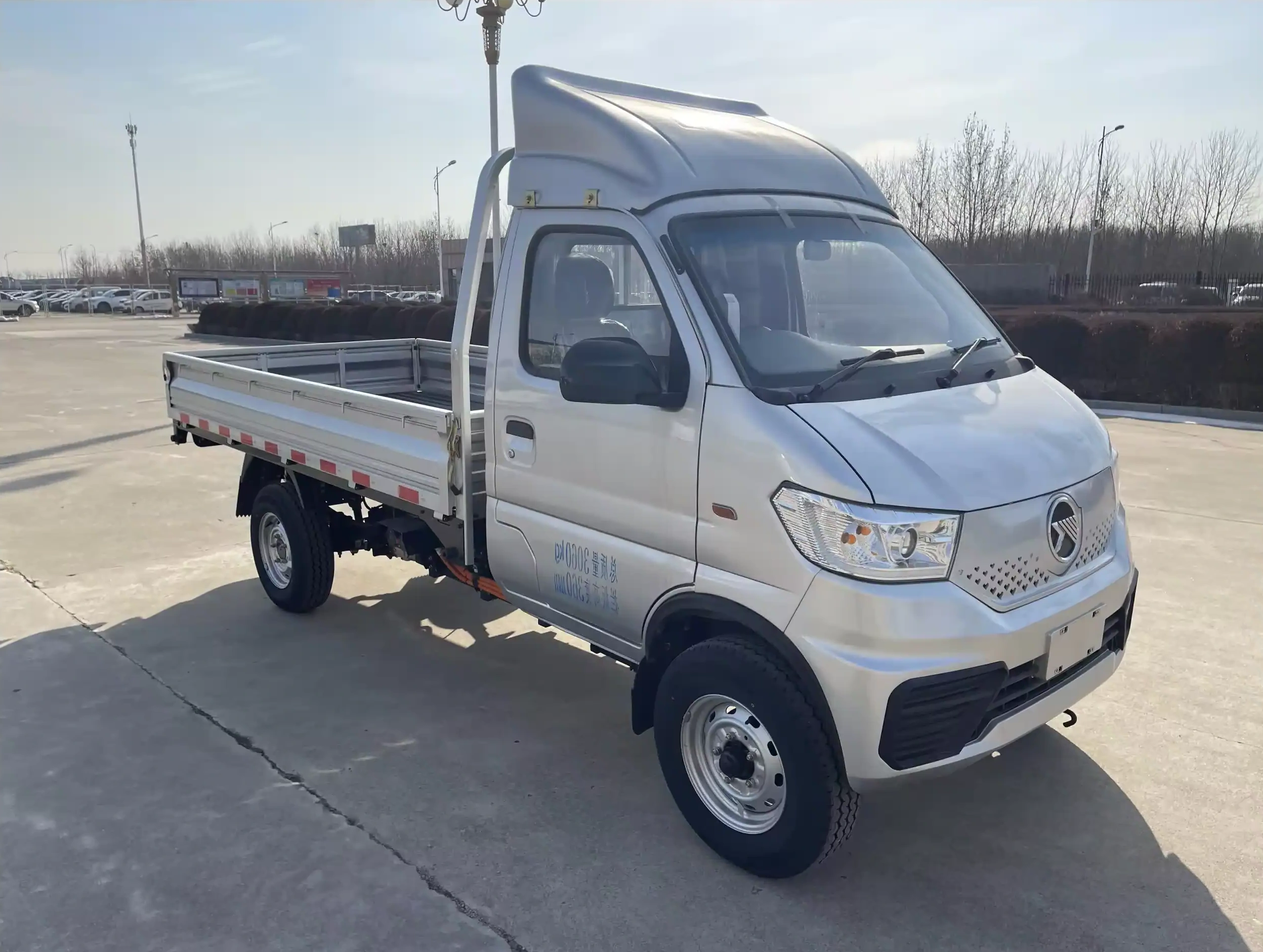
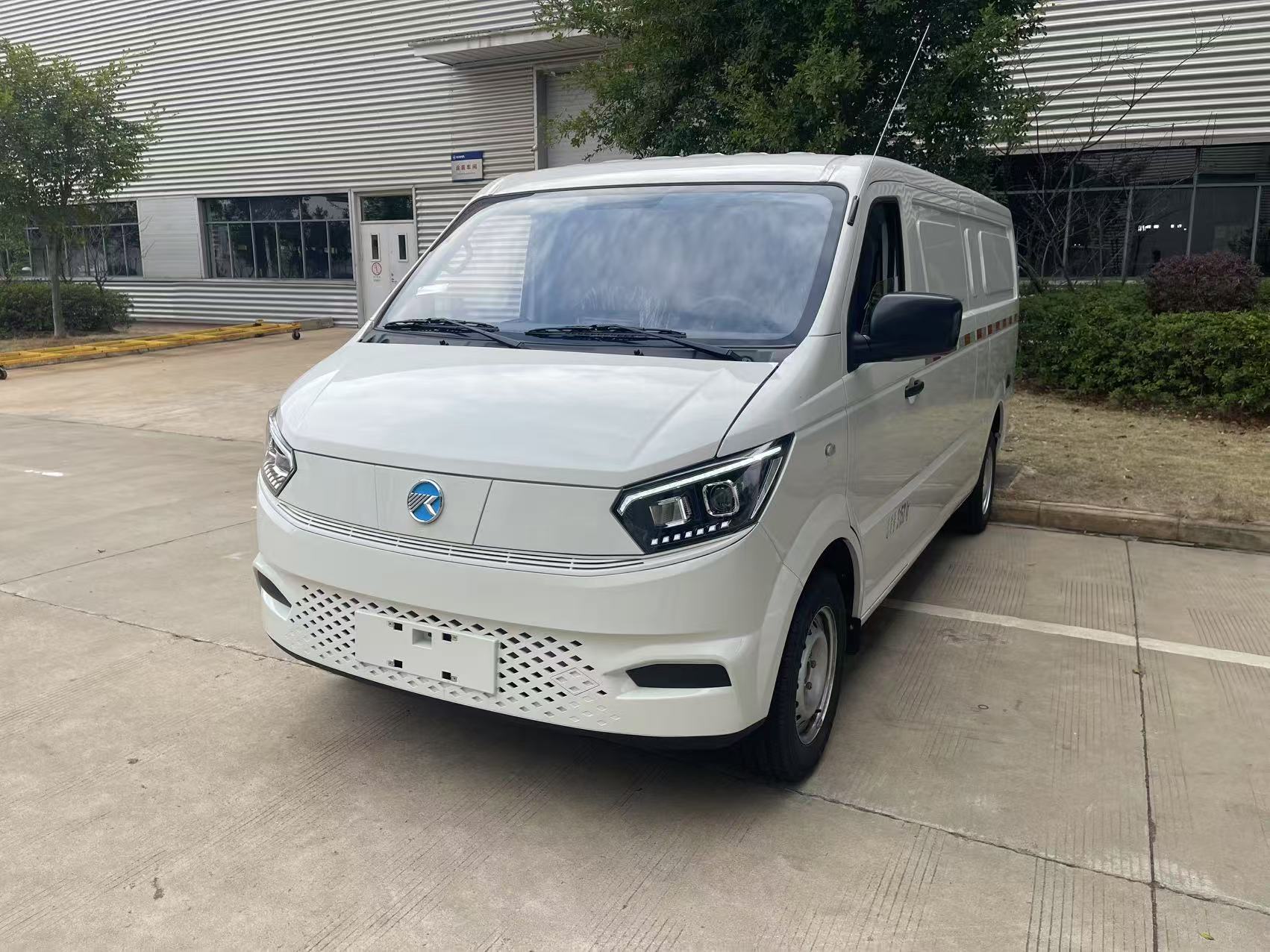
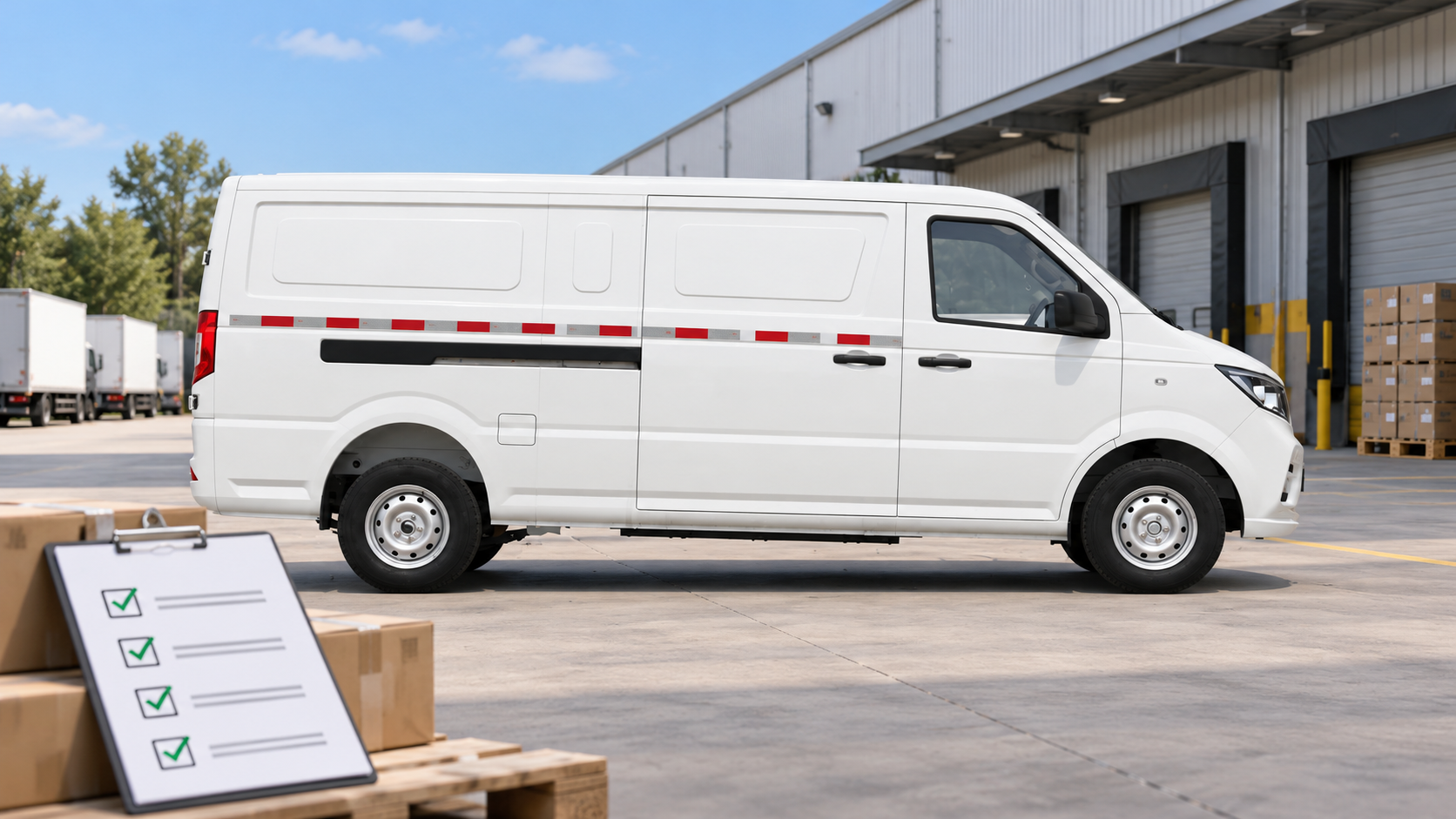
For commercial vehicle distributors, passenger vans can be part of a broader vehicle portfolio. A strong lineup may include cargo vans for delivery customers, passenger vans for institutions, minibuses for transport operators and light trucks for heavier cargo users.
This helps distributors cover more customer groups instead of depending on only one vehicle type.
A practical passenger vehicle lineup can serve:
School transport buyers
Company shuttle operators
Hotel and tourism customers
Local passenger transport companies
Government and municipal projects
Fleet buyers and institutions
Local assembly partners
For first-stage market testing, distributors can start with one or two models that match the most common local applications. After receiving feedback from local customers, they can expand the lineup with different seat layouts, powertrain options or special configurations.
CBU, SKD or CKD for Passenger Van Projects
For new importers, CBU complete vehicles are usually easier for market testing and early-stage sales. Buyers can check customer feedback, after-sales demand and real operation performance before making larger investment.
For distributors with stronger local resources, SKD or CKD cooperation may be discussed. This can be suitable when the market has local assembly policy, import duty differences, branding needs or long-term sales plans.
However, SKD and CKD projects require careful preparation. Buyers should evaluate assembly space, technician ability, tooling, quality control, local registration rules, annual sales plan and after-sales capacity.
The suitable cooperation mode should be confirmed according to the vehicle model, quantity, destination country, local policy and factory approval.
How KAMA Supports Passenger Van and Minibus Buyers
KAMA focuses on practical commercial vehicle solutions for overseas markets. For passenger van and minibus projects, KAMA can support model recommendation, configuration discussion, spare parts planning, technical document support and export coordination according to the confirmed market and order plan.
Depending on customer requirements, KAMA can discuss passenger van selection, seat layout, left-hand drive or right-hand drive configuration, fuel or electric powertrain options, air conditioning requirements, spare parts planning and CBU/SKD/CKD cooperation feasibility.
Final configuration, price, availability, delivery plan, certification documents and cooperation terms should be confirmed according to the exact model, quantity, destination country and factory approval.
Recommended Inquiry Information
To recommend a suitable passenger van or minibus solution, buyers are suggested to provide the following information:
Destination country
Destination port
Target vehicle type
Required seat number
Fuel or electric powertrain preference
Left-hand drive or right-hand drive requirement
Main usage scenario
Daily route distance
Road condition
First order quantity
Annual purchase plan
CBU, SKD or CKD preference
Company type: distributor, importer, fleet buyer or end user
With this information, KAMA can help evaluate suitable vehicle options and cooperation plans for the buyer’s market.
Build Your Passenger Vehicle Business with KAMA
If you are planning to import passenger vans, minibuses or shuttle vehicles, KAMA can help evaluate suitable options for your target market.
Please share your country, required seat number, quantity, steering requirement, powertrain preference, usage scenario and destination port. Our team will check the suitable model and cooperation plan for you, subject to final factory confirmation.
FAQ
1. What is the best passenger van for school transport?
The best passenger van for school transport depends on the country, seat requirement, road condition, safety requirements, air conditioning needs and local registration rules. Buyers should confirm the usage scenario and local regulations before selecting a model.
2. Are passenger vans suitable for staff shuttle service?
Yes. Passenger vans can be suitable for staff shuttle service, especially when the route is fixed and the vehicle returns to the same parking location every day. This makes operation and maintenance easier to manage.
3. Should I choose a fuel or electric passenger van?
Fuel passenger vans may be more practical for long-distance or uncertain routes. Electric passenger vans can be suitable for fixed-route operation, company shuttle, school transport, hotel transfer and closed-area transport when charging can be arranged.
4. Can passenger vans be supplied as SKD or CKD kits?
SKD or CKD cooperation may be discussed with qualified partners. The final feasibility depends on the model, quantity, local assembly ability, destination country policy and factory confirmation.
5. What information is needed before quotation?
Buyers should provide destination country, destination port, target vehicle type, required seat number, quantity, LHD/RHD requirement, powertrain preference, usage scenario and cooperation mode preference before quotation.