Welcome to KAMA Auto
How to Choose the Right Commercial Mini Van?
In today’s fast-paced business environment, selecting the right commercial mini van is critical for enhancing operational efficiency and cutting costs. Whether it’s for transporting goods, staff, or conducting short-distance travel, a well-chosen mini van tailored to your specific needs can significantly impact your enterprise’s success. Below are key factors to consider, enhanced with professional insights and recommendations.
 1. Understand Your Business Needs
Start by identifying the core requirements of your business. Consider:
Team Size: How many passengers do you need to transport regularly?
Cargo Volume: What is the average weight and size of the items you’ll be hauling?
Travel Distances: Is your fleet used for short local trips or longer intercity drives?
For example, if your business involves frequent transportation of large teams or bulky goods, models like the Chrysler Pacifica or the Ford Transit Connect provide spacious interiors and flexible cargo solutions. For smaller teams or lighter loads, compact options like the Toyota Sienna may be more cost-effective.
 2. Prioritize Fuel Efficiency and Environmental Impact
Fuel efficiency is a top priority for businesses aiming to minimize costs and reduce emissions. Data shows that a mini van with 25–35 miles per gallon (mpg) can reduce annual fuel costs by up to 20% compared to less efficient alternatives.
Eco-Friendly Options: Look for hybrid or electric models like the Toyota Sienna Hybrid, which offers a combined 36 mpg, or the Chrysler Pacifica Plug-In Hybrid, capable of running up to 32 miles on electric power alone.
Cost Savings: Over five years, a fuel-efficient mini van can save businesses up to $5,000 in operational expenses.
For eco-conscious companies, vehicles meeting EPA SmartWay standards are excellent choices.
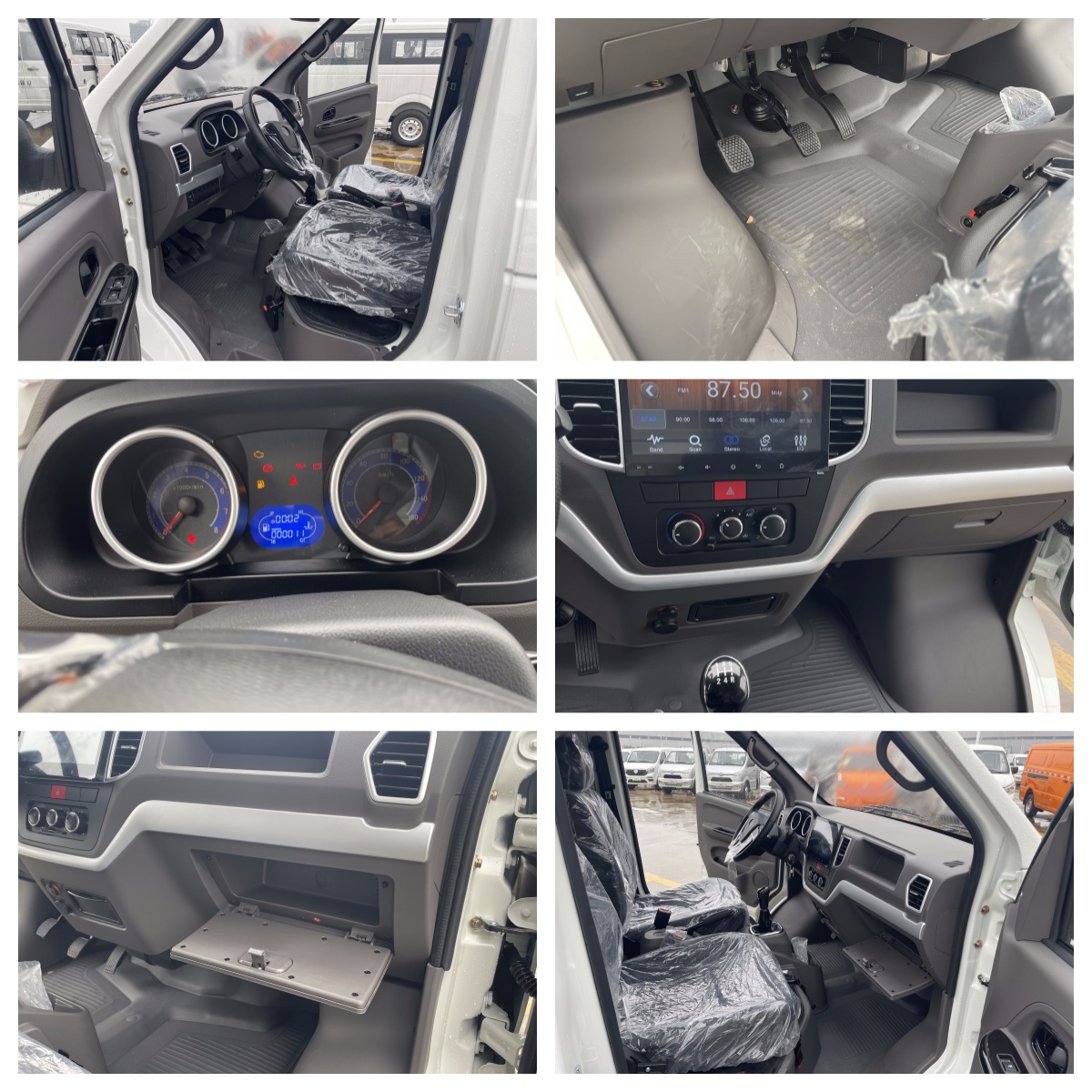 3. Evaluate Vehicle Capacity and Build Quality
Passenger Capacity
Choose a mini van that meets your seating requirements without sacrificing comfort:
8–12 Passenger Vans: Ideal for shuttle services or transporting larger teams. Examples include the Honda Odyssey and the Mercedes-Benz Metris Passenger Van.
Cargo Vans: For goods-heavy businesses, models like the Ram ProMaster City offer a 131.7 cubic feet cargo capacity.
Durability and Safety
Robust builds are essential for commercial vehicles. Opt for models with:
Reinforced Frames: Ensures durability over time.
Advanced Safety Features: Look for adaptive cruise control, lane-keeping assist, and collision mitigation systems, commonly found in top models like the Kia Carnival and Toyota Sienna.
4. Consider Versatility and Customization
Modern mini vans often offer customizable interiors, making them ideal for multiple business scenarios:
Modular Seating: Fold-flat or removable seating provides flexibility between cargo and passenger needs.
Integrated Storage: Hidden compartments and roof racks increase overall utility.
The Ford Transit Connect, for example, is highly praised for its versatility, while the Nissan NV200 offers a compact footprint with a surprising amount of interior space.
5. Leverage Reviews and Expert Recommendations
Always consult expert reviews and data before making a purchase:
Top-Rated Mini Vans: Vehicles like the Kia Carnival (2024) consistently receive high marks for performance, reliability, and cost-effectiveness.
Maintenance Costs: Choose models with low repair rates and readily available parts. A reliable model saves you an average of $1,200 annually in repair costs compared to less dependable alternatives.
According to JD Power and Car and Driver, the most reliable models for 2024 include the Honda Odyssey and the Toyota Sienna, both offering high resale value and low maintenance costs. https://www.kamaauto.cn/product/fuel-mini-van/fuel-efficient-mini-van-power-space-and-savings-in-one/
Helpful Resources
For more in-depth comparisons and data, refer to these expert resources:
By aligning your business needs with fuel efficiency, vehicle capacity, and expert reviews, you can confidently choose a mini van that boosts operational efficiency, minimizes costs, and supports long-term business growth.