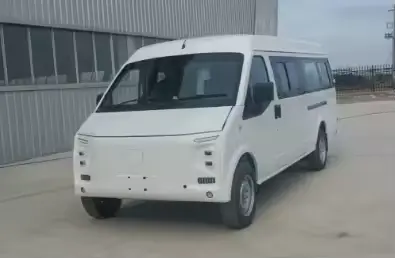
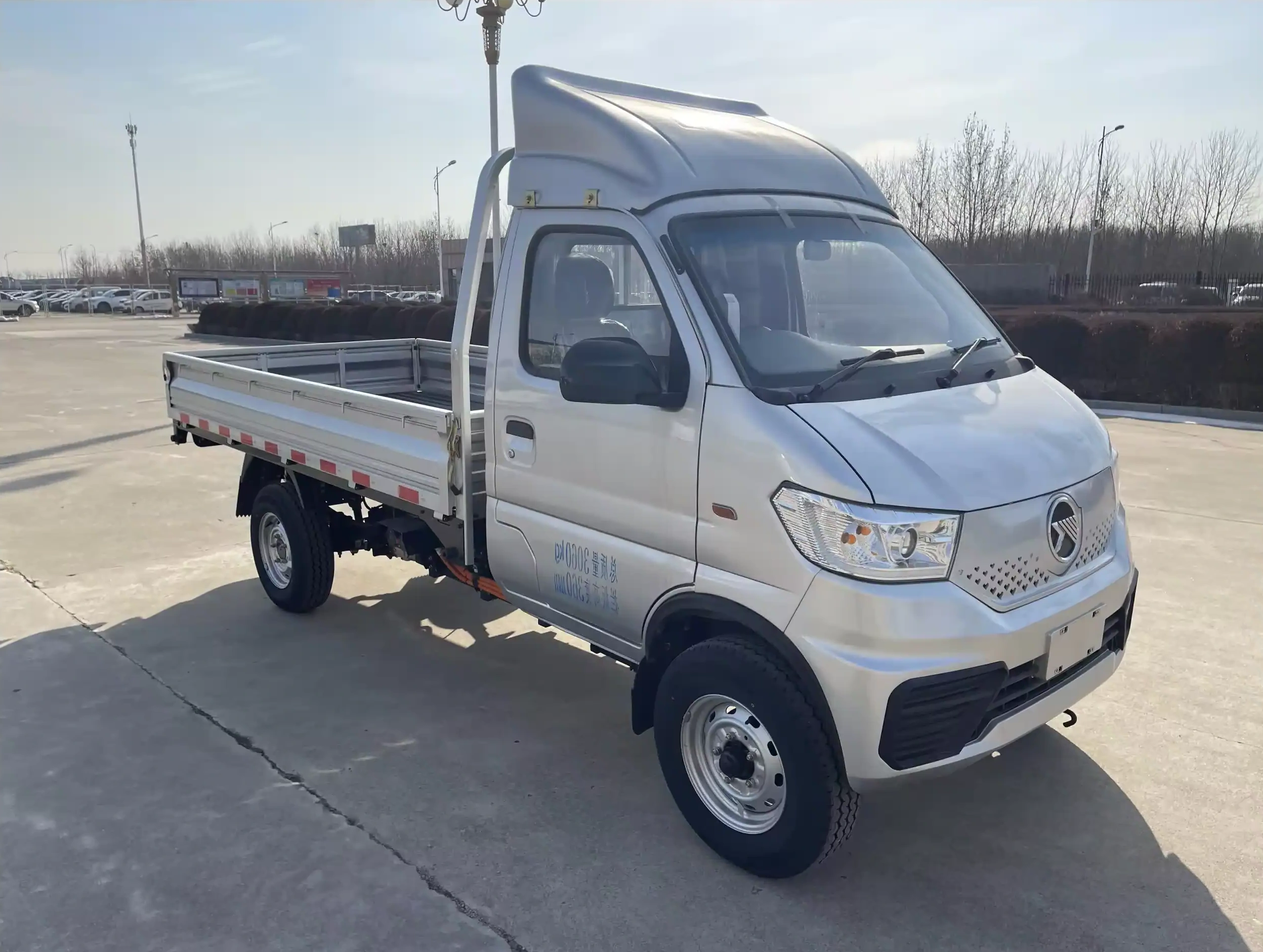
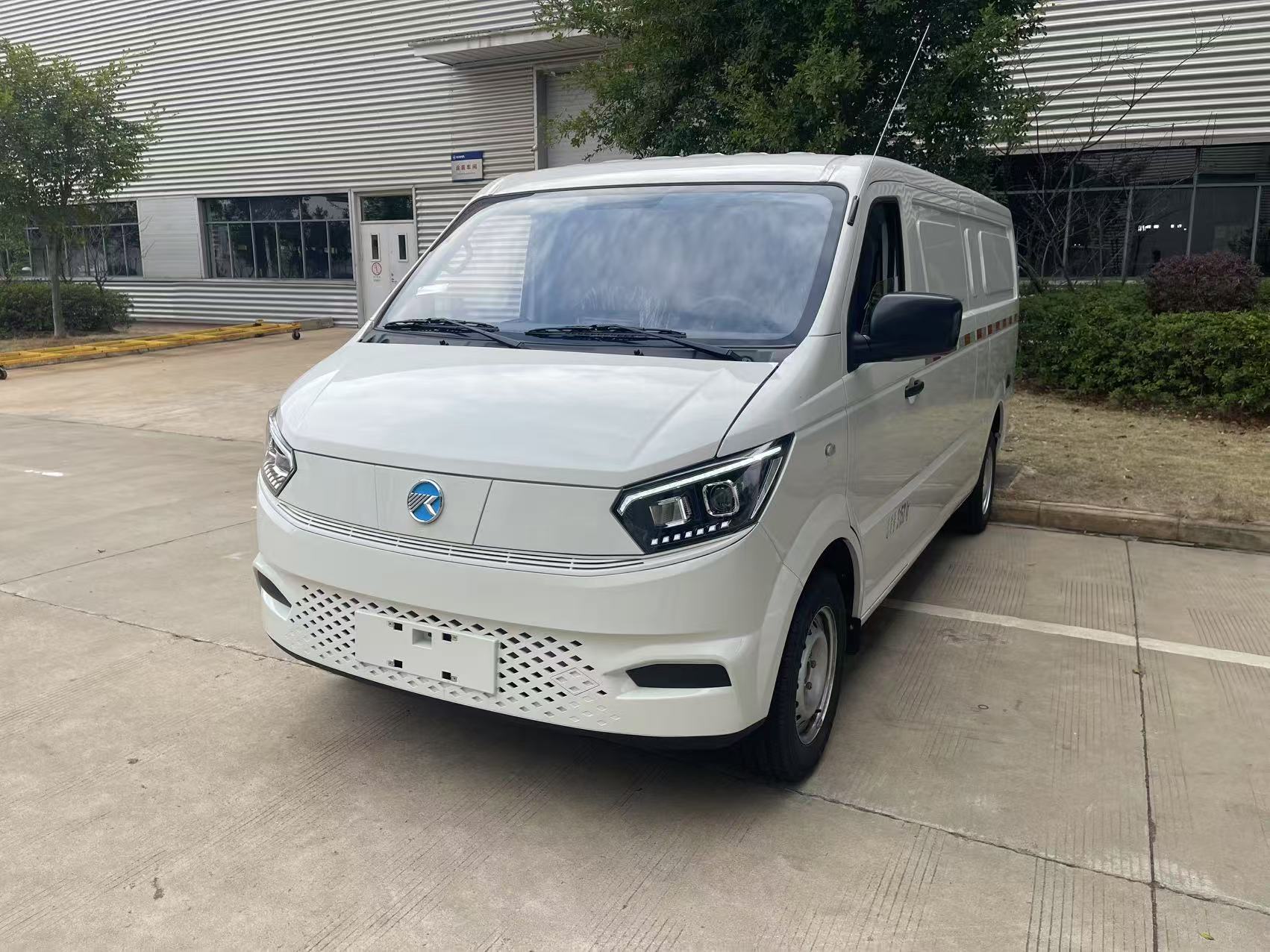
Electric Passenger Van Assembly in Africa: 2026 Opportunity for 14–18 Seat EV Minibuses
Across many African markets, passenger transport is still one of the most important commercial vehicle segments. From city shuttle routes and school transportation to company commuting and regional passenger services, local operators need vehicles that are affordable, practical, easy to maintain and suitable for daily operation.
As fuel cost, urban transport demand and local assembly policies continue to influence vehicle purchasing decisions, electric passenger vans and 14–18 seat EV minibuses are becoming a new opportunity for distributors, fleet operators and assembly partners.
For African commercial vehicle importers, this is not only a product opportunity. It is also a chance to build a long-term passenger vehicle business through CBU supply, SKD cooperation or CKD local assembly.
Why Africa Is Paying More Attention to Electric Passenger Vans
Many African cities have a strong demand for short-distance passenger transport. Traditional fuel vans and minibuses are widely used, but operators often face high fuel costs, maintenance pressure and unstable operating margins.
Electric passenger vans can be suitable for fixed-route operation because the daily route, parking place and charging plan can be managed more easily than long-distance random transport. This makes EV minibuses practical for:
- Urban passenger shuttle routes
- School bus and campus transportation
- Hotel and airport shuttle service
- Company staff commuting
- Tourism and local passenger transport
- Government or municipal transport projects
For fleet operators, the key concern is not only vehicle price. They also need to consider route distance, passenger capacity, charging time, after-sales support and spare parts availability.
Why 14–18 Seat EV Minibuses Fit African Public Transport
Compared with large buses, 14–18 seat electric minibuses are easier to operate in narrow city roads, community routes and small transport networks. Compared with small passenger cars, they provide better passenger capacity and higher commercial value per trip.
This segment can be especially suitable for markets where operators need flexible vehicles for both private and public passenger use.
| Application | Why 14–18 Seat EV Minibuses Are Suitable |
|---|---|
| School Transport | Fixed route, fixed parking area and easier charging management. |
| Company Shuttle | Regular daily route with predictable passenger demand. |
| Urban Public Transport | Compact size, flexible operation and lower daily energy cost potential. |
| Hotel and Tourism | Comfortable passenger layout for short-distance group transfer. |
| Fleet Operation | Suitable for distributors building after-sales and spare parts systems. |
Why Local Assembly and CKD/SKD Kits Are Becoming Important
For some African distributors, importing complete vehicles is only the first step. As the market develops, local assembly may become more attractive because it can support local employment, branding, after-sales training and long-term market control.
CKD and SKD cooperation may help qualified partners build a more competitive vehicle business, especially when the local government encourages assembly projects or when import duties make complete vehicle import less competitive.
Before starting a CKD or SKD project, distributors should evaluate their local policy, factory space, assembly capacity, technician team, certification requirements and annual sales plan.
What Distributors Should Check Before Importing Electric Minibuses
Before selecting an electric passenger van or EV minibus, African distributors and fleet buyers should confirm the following points:
- Destination country: Import rules, tax policy and local vehicle registration requirements may vary by country.
- Steering requirement: Confirm whether the market requires left-hand drive or right-hand drive vehicles.
- Seat layout: Confirm whether the project needs 14 seats, 18 seats or another passenger layout.
- Daily mileage: The battery configuration should match the actual passenger route and daily operation distance.
- Charging standard: Charging port and charging equipment should match the local charging environment.
- Road condition: Suspension, ground clearance and tire configuration should match local operation conditions.
- Spare parts plan: Distributors should prepare common spare parts together with the first order.
- After-sales capacity: Local technicians should be trained before large-scale fleet operation.
- CBU, SKD or CKD: The cooperation mode should be selected according to order quantity, policy and local assembly ability.
CBU, SKD or CKD: Which Cooperation Model Is Better?
The best cooperation model depends on the buyer’s market position, quantity and long-term plan.
| Cooperation Model | Suitable Buyer Type | Main Advantage |
|---|---|---|
| CBU Complete Vehicle | New importers, small fleets, first sample order | Faster market testing and easier operation. |
| SKD Cooperation | Distributors with basic assembly resources | Better local participation and possible policy advantages. |
| CKD Local Assembly | Long-term partners with factory, technicians and sales network | Suitable for deeper localization and larger annual plans. |
For first-time cooperation, many distributors start with CBU or SKD units to test local demand, then discuss CKD assembly after confirming sales volume, after-sales capability and policy feasibility.
How KAMA Supports Electric Passenger Van Projects
KAMA focuses on practical commercial vehicle solutions for overseas distributors, importers, fleet buyers and local assembly partners. For electric passenger van and EV minibus projects, KAMA can support model recommendation, configuration discussion, spare parts planning, technical document support and SKD/CKD cooperation discussion.
Depending on the target market and order plan, KAMA can discuss:
- Electric passenger van and EV minibus model selection
- 14-seat and 18-seat passenger layout discussion
- Left-hand drive or right-hand drive configuration checking
- Battery capacity and charging standard discussion
- Spare parts package planning for distributors
- After-sales training and technical document support
- CBU, SKD or CKD cooperation feasibility
Final vehicle configuration, delivery plan, certification documents and cooperation terms should be confirmed according to the exact model, country, quantity and factory approval.
Recommended Inquiry Information for African Distributors
To prepare a suitable electric passenger van or EV minibus proposal, please provide the following information:
- Destination country
- Target model or vehicle type
- Required seats: 14 seats, 18 seats or other layout
- Estimated first order quantity
- Annual purchase plan
- Left-hand drive or right-hand drive requirement
- Daily passenger route and mileage
- Charging standard requirement
- Preferred cooperation mode: CBU, SKD or CKD
- Destination port
- Company profile and import experience
Planning an Electric Passenger Van or Minibus Project in Africa?
If you are a distributor, importer, fleet operator or local assembly partner, KAMA can help you evaluate a suitable electric passenger van or EV minibus solution for your market.
Please share your country, seat requirement, target quantity, LHD/RHD requirement, charging standard and whether you prefer CBU, SKD or CKD cooperation. Our team will check the suitable configuration and cooperation plan for you, subject to final factory confirmation.
FAQ
1. What is the best electric passenger van for Africa?
The best model depends on the destination country, passenger capacity, daily route, charging condition, road environment and target budget. For many African passenger transport projects, 14–18 seat electric minibuses can be practical for school transport, company shuttle, urban routes and fleet operation.
2. Can electric minibuses be supplied as CKD or SKD kits?
CKD or SKD cooperation may be discussed for qualified partners, depending on the vehicle model, order quantity, local assembly ability and factory confirmation.
3. Is an 18 seater electric minibus suitable for public transport?
An 18 seater electric minibus can be suitable for fixed-route public transport, school bus service, staff commuting and short-distance passenger operation. The final suitability depends on local road conditions, route length, charging plan and registration requirements.
4. What should distributors check before importing electric passenger vans?
Distributors should check steering requirement, seat layout, battery capacity, charging standard, spare parts availability, after-sales capacity, local import policy and vehicle registration requirements before placing an order.
5. Can KAMA support local assembly cooperation?
KAMA can discuss SKD and CKD cooperation with qualified partners. The final cooperation mode depends on the customer’s company background, annual sales plan, assembly ability, local policy and factory approval.