Welcome to KAMA Auto
Commercial Vehicle Repeat Orders: A Dealer Feedback Checklist
Before You Repeat a Commercial Vehicle Order, Review the First Batch
A repeat order should start with evidence from the vehicles already in service. Keep the successful configuration as a reference, identify problems that remain open, and separate replacement stock from requests for a different application. This helps a distributor explain exactly what should stay the same and what needs a technical review before the next batch is confirmed.
This guide is for dealers and importers preparing a second or subsequent commercial vehicle order. It focuses on the decision to reorder, rather than first-purchase preparation or a shipment inspection.
1. Build a Short First-Batch Review
Ask the sales and workshop teams to use the same review sheet. Record the vehicle model and configuration, the operating period, its intended job and the feedback source. Separate a driver's observation from a fault diagnosed by a technician. A single report can identify a question to investigate, but should not be presented as proof that every vehicle has the same problem.
| Review area | What to record | How it informs the next order |
|---|---|---|
| Actual use | Cargo or passenger duty, route, loading pattern and daily operation | Check whether the next buyers need the same application |
| Customer feedback | Specific requests, the number of vehicles involved and whether the issue is resolved | Distinguish a recurring requirement from an individual preference |
| Service experience | VIN, reported symptom, supporting photographs and technical response | Carry unresolved questions into the next configuration discussion |
| Parts and documents | Parts actually requested, identification details and missing manuals | Prepare the support package for the ordered version |
| Next-batch demand | Confirmed requirement by configuration, with forecasts listed separately | Avoid treating possible future demand as a confirmed batch |
2. Choose Repeat, Revise or Review Before Ordering
Use three decision categories. Repeat means the application remains suitable and the supplier has reconfirmed the current specification. Revise means there is a clearly described change request that still needs technical confirmation. Review before ordering means an unresolved issue or missing operating information prevents a reliable configuration choice.
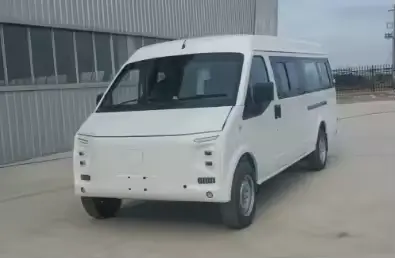
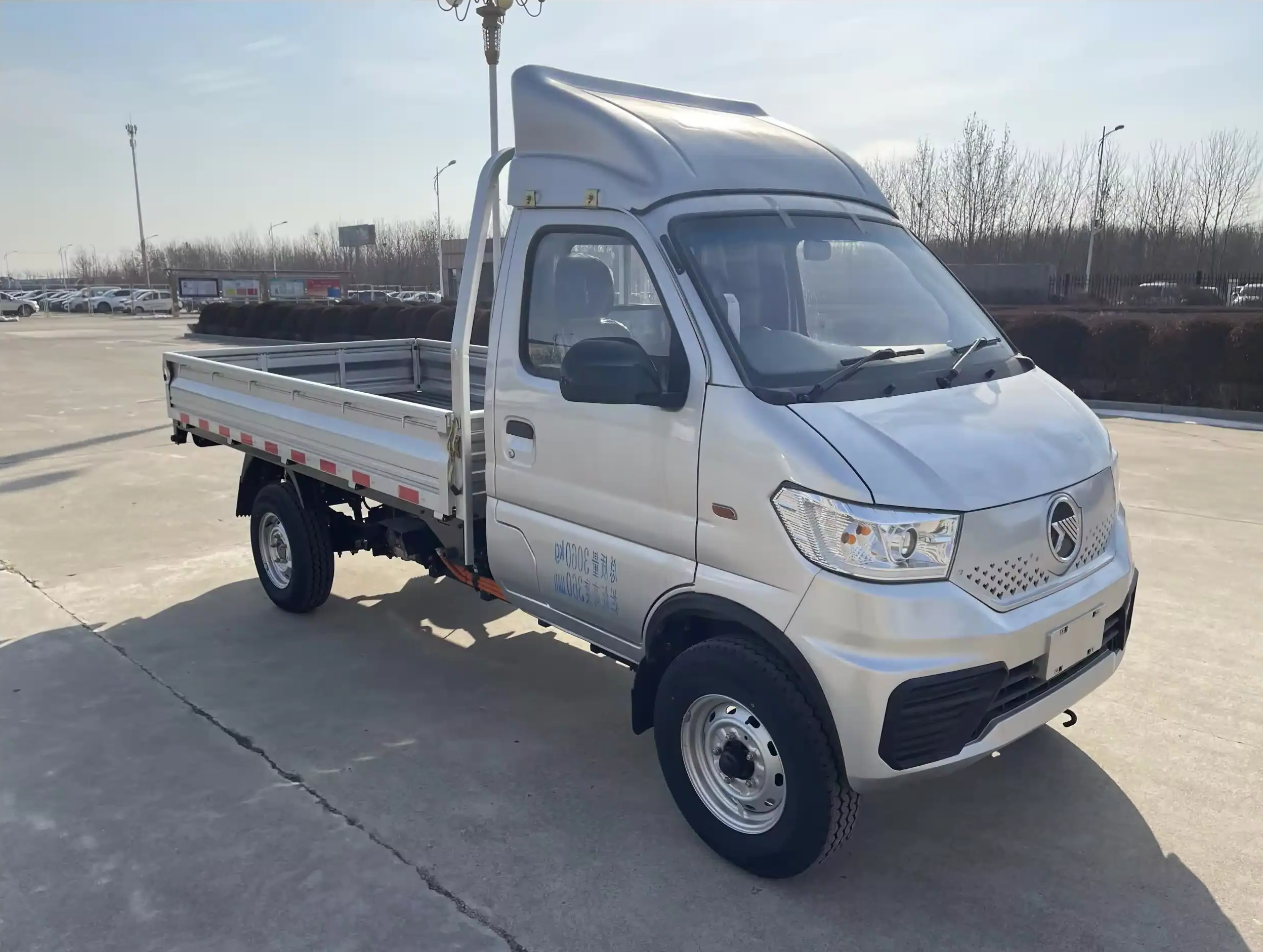
For example, if a dealer wants the same delivery van for a similar route, the previous specification is a useful starting point. If the next customers carry different goods or operate longer routes, the dealer should provide those requirements rather than simply asking for “the same vehicle with a bigger battery.” A familiar model name does not establish that every component or option is unchanged.
3. Turn Feedback into a Specific Request
Replace general statements such as “improve the vehicle” with an observable requirement. Describe the current configuration, what happens in use, the desired outcome and the evidence available. For an electric vehicle, distinguish battery specification and charging equipment from actual route performance. For a body or seating change, describe the intended load or passenger use and ask for the complete proposed arrangement to be checked.
KAMA configuration availability depends on the model and the proposed order. Changes to items such as the body, seating, battery or charging interface require confirmation for the selected vehicle. Do not assume that equipment from a previous batch or another version can be substituted without review.
| Feedback | More useful next-order request |
|---|---|
| “We need more operating range” | Provide the actual route, load, charging opportunities and operating conditions; request a configuration review |
| “We need a different cargo body” | Describe the goods, required loading access and proposed layout; request dimensions and loading confirmation |
| “We need more service support” | List missing documents, reported symptoms and parts identification questions; agree the next action for each item |
4. Keep Service Cases Separate from Sales Assumptions
For a reported issue, record the model and VIN, photographs or video, the circumstances in which it occurs and the technical response. Track whether a proposed action was carried out and whether the result was confirmed. Do not mark a case resolved because a new order is being discussed.
Ask which operation and maintenance documents apply to the next configuration, how parts should be identified and who will handle technical questions. Warranty scope, parts availability and support arrangements must be agreed for the order; this checklist does not establish a universal warranty or delivery commitment.
5. Prepare a Repeat-Order Brief
A concise brief lets the supplier review a repeat order without relying on an old photograph or a model nickname. Include:
-
The previous order reference and the exact configuration to use as the baseline.
-
The destination and intended use of the new batch.
-
The quantity required for each configuration, separate from longer-term forecasts.
-
A list of requested changes, with unchanged items clearly identified.
-
Open service questions and the evidence needed to close them.
-
The manuals, parts information and workshop preparation requested for the next batch.
Before confirming the batch, ask for a current specification and a response to each change request. Keep one agreed revision available to the sales, workshop and delivery teams. Previous supply is useful history, but it does not by itself confirm current configuration availability or destination eligibility.
Next Step for Distributors
Send KAMA your previous model and configuration reference, destination, first-batch feedback and proposed next-batch quantity. Identify the items you want to retain and the questions that still need technical confirmation. If this is your first purchase, start with our commercial vehicle first-order checklist.
The header image is an AI illustration, not a photograph of an actual customer review or delivery.