Welcome to KAMA Auto
China Commercial Vehicle Exporter For Africa Market Trend and Export Opportunity Analysis
How to Choose a China Commercial Vehicle Exporter for Africa: A Practical B2B Sourcing Guide
The search topic China commercial vehicle exporter for Africa is important because it reflects how overseas commercial vehicle buyers evaluate a sourcing decision before contacting a supplier. Importers, distributors, fleet operators, and project buyers are rarely looking for a generic blog post. They need a structured way to judge whether a cargo truck, light truck, electric mini truck, electric cargo van, or electric minibus can fit their market, application, and purchasing process.
This guide focuses on Africa, where vehicle selection often depends on road conditions, cargo profile, service planning, import requirements, and whether the buyer is importing complete vehicles or discussing CKD/SKD cooperation. For serious B2B buyers, the practical decision should start with cargo type, route condition, loading method, expected duty cycle, documentation needs, and after-sales planning.
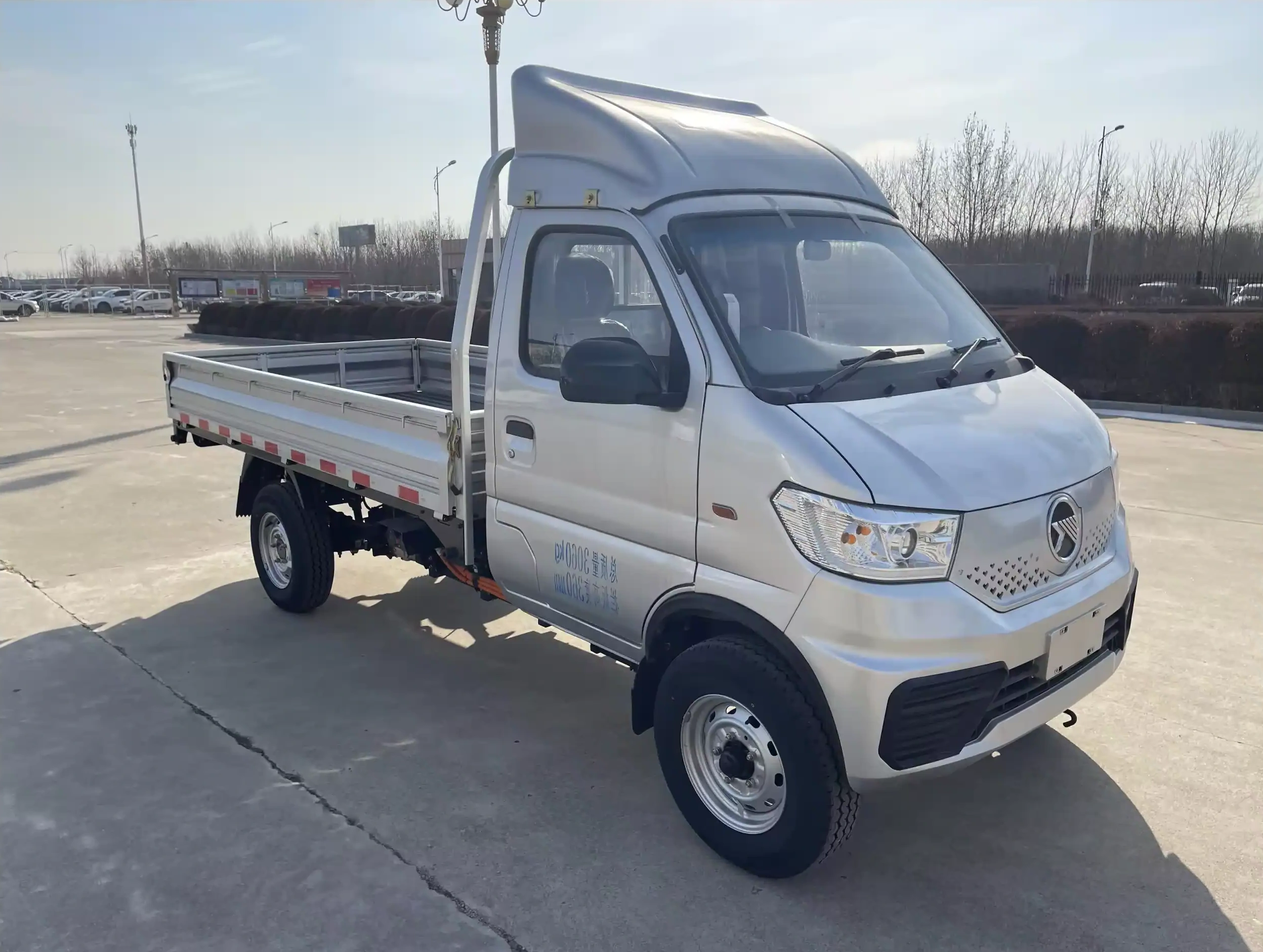
KAMA can be introduced as a Chinese commercial vehicle manufacturer and exporter with product categories such as electric mini truck, electric cargo van, electric minibus, light truck, mini truck, cargo truck, and CNG truck. The purpose of this article is not to publish unsupported specifications or pricing. It is to help buyers prepare a better inquiry and avoid weak sourcing assumptions.
Current Market Background
For buyers searching for China commercial vehicle exporter for Africa, the main goal is usually to reduce uncertainty before asking for a specification sheet, quotation, or distributor policy. The keyword should be connected to real commercial work rather than treated as a broad traffic phrase.
In African markets, commercial vehicle decisions are often shaped by route conditions, payload expectations, body requirements, fuel or charging availability, and service capability. A vehicle that looks attractive online may not be suitable if it does not match the buyer’s real operating environment.
For cargo truck applications, buyers should consider the body type, loading method, road conditions, climate, expected daily mileage, maintenance access, and documentation requirements. If the buyer serves multiple customer groups, it is also important to separate fleet use, dealer inventory planning, and project procurement.
Why Demand Is Changing
Demand for Chinese commercial vehicles in Africa is changing because buyers are becoming more practical and application-driven. Instead of only asking for the lowest price, many importers and distributors now want to understand vehicle category fit, export documentation, configuration flexibility, and long-term service planning.
Electric commercial vehicles are also gaining attention in selected use cases, especially for urban delivery, short-distance transport, closed-route logistics, factory operations, school transport, and fleet projects with predictable daily mileage. However, the right solution depends heavily on charging conditions, payload needs, climate, and route profile.
For this reason, buyers should not compare vehicles only by model name or online appearance. A better sourcing process should compare application, route, power type, body requirement, documentation, and supplier support.
Target Regions for Cargo Truck Applications
Africa is not a single uniform market. Vehicle demand can vary widely between countries, regions, and industries. A commercial vehicle exporter should understand that different buyers may focus on city delivery, construction support, agricultural transport, school transport, mining-related logistics, municipal projects, or dealer distribution.
For cargo truck buyers, the target region matters because road quality, cargo density, climate, service access, fuel availability, charging conditions, and import rules may differ significantly. Buyers should explain their country, operating region, and use case clearly before requesting a recommendation.
For example, a distributor planning inventory may need several vehicle categories for different customers, while a fleet operator may need one specific configuration for a defined route. A project buyer may also need documents, certificates, SKD/CKD discussion, and long-term service planning.
Product Categories Benefiting from the Trend
Several commercial vehicle categories may benefit from increasing Africa-oriented sourcing demand. These include:
- Electric mini truck for short-distance delivery and light cargo applications.
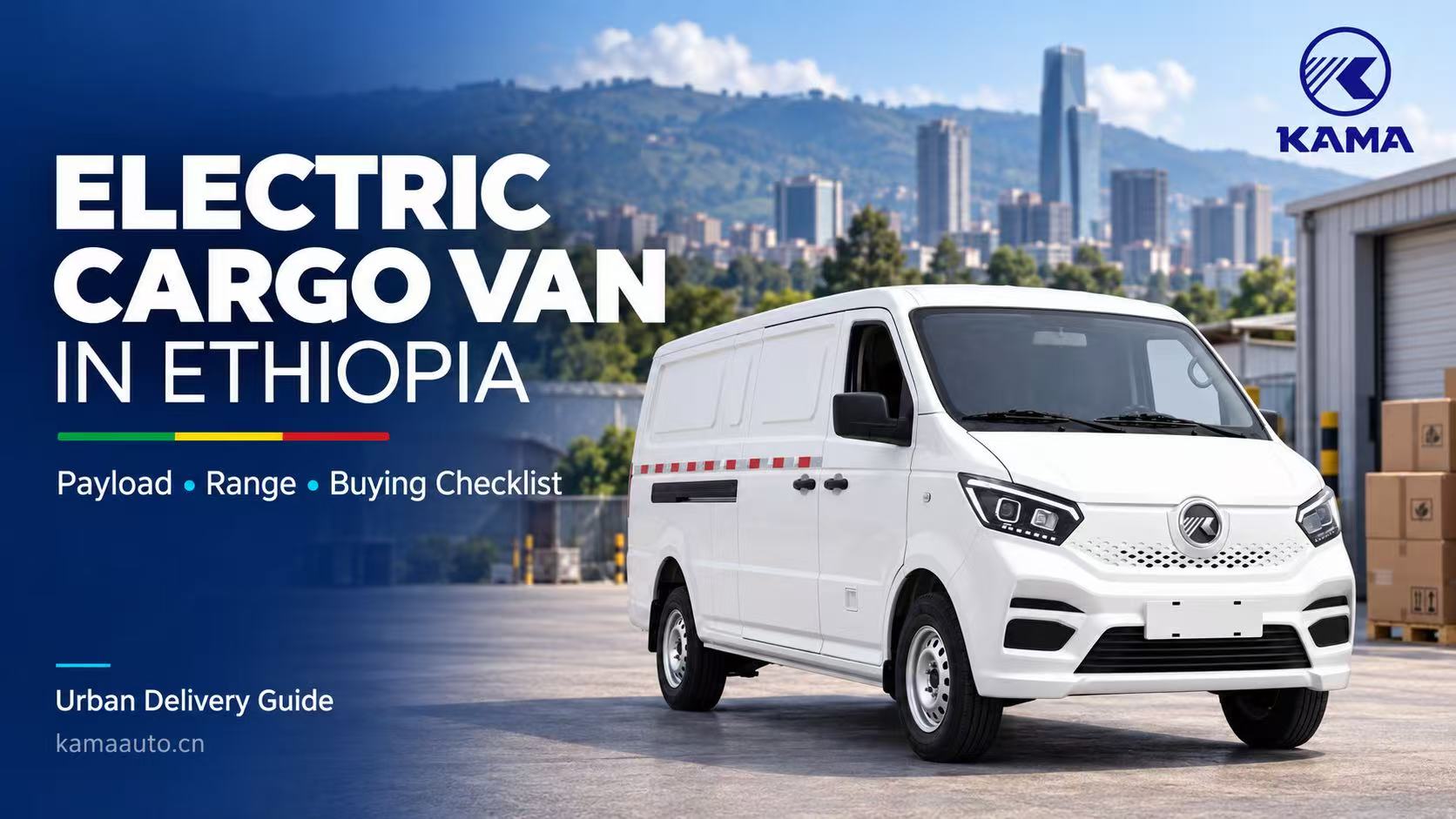
- Electric cargo van for urban logistics, delivery fleets, and closed-route operations.
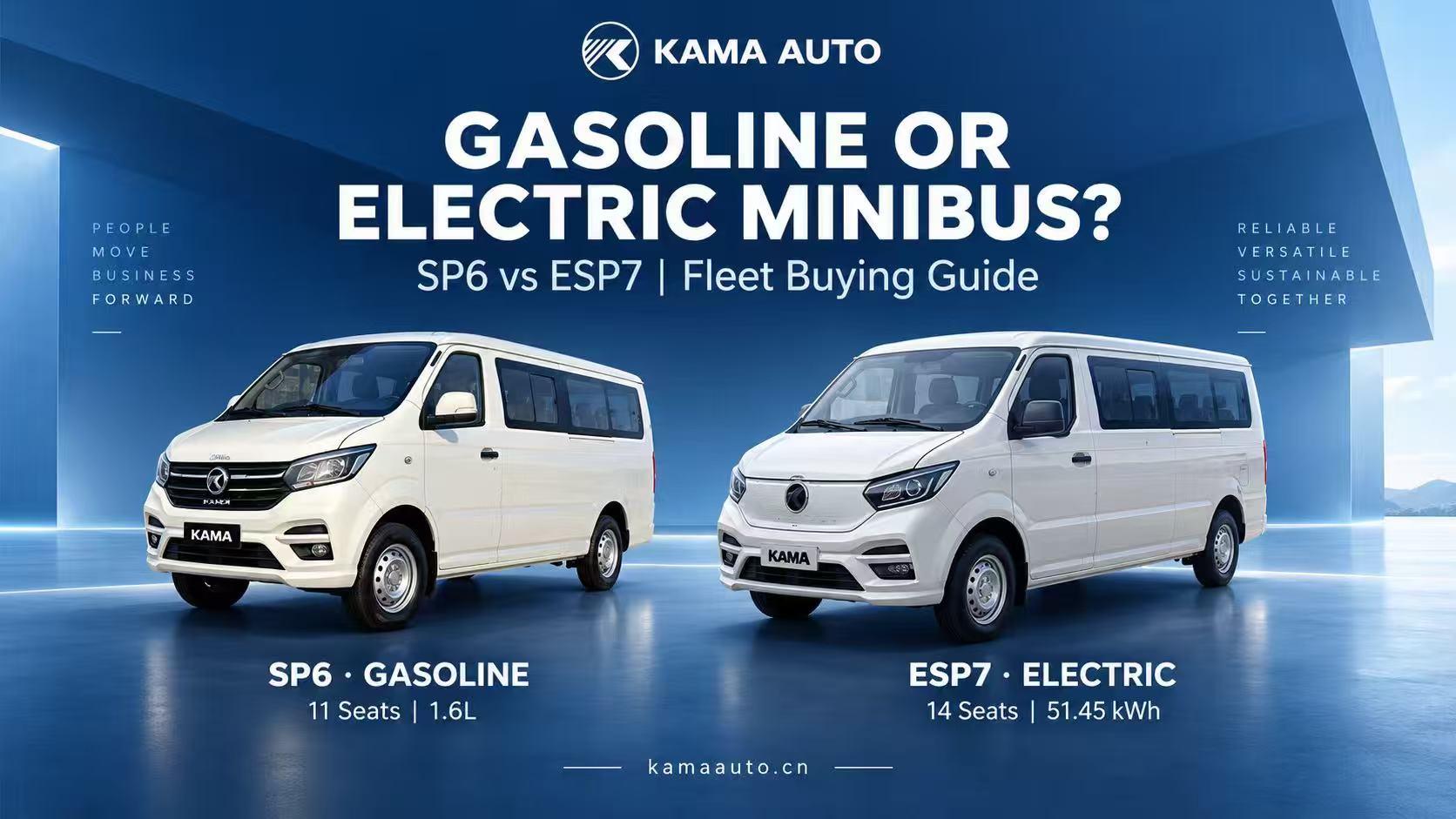
- Electric minibus for passenger transport, school transport, and institutional projects.
- Light truck for general cargo, construction support, and dealer sales.
- Mini truck for small business delivery, agriculture, and local distribution.
- Cargo truck for broader logistics and commercial transport needs.
- CNG truck for markets where gas fuel infrastructure and operating costs are suitable.
KAMA product families such as ES6, ES7, ES8, ESP7, ESP8, EV2, and EX2 may be referenced as product-family context when discussing possible vehicle categories. However, exact technical specifications, battery capacity, driving range, certification status, warranty terms, local stock, and pricing should always be confirmed with KAMA or an official specification sheet.
Importer and Distributor Opportunities
For African importers and distributors, the opportunity is not only to buy vehicles. The stronger opportunity is to build a structured vehicle portfolio that matches local demand. This may include electric mini trucks, cargo vans, minibuses, light trucks, cargo trucks, and CNG models depending on the market.
Distributors should evaluate whether a supplier can support product information, export documentation, configuration discussion, after-sales planning, spare parts communication, and long-term cooperation. For CKD or SKD projects, buyers should also discuss assembly feasibility, technical support, training, and quality control requirements.
A serious inquiry should include the target country, application, preferred power type, estimated quantity, cargo or passenger requirement, road condition, import method, and any local compliance requirements. This helps the supplier recommend a practical solution instead of giving a generic quotation.
Risks and Regulatory Considerations
Commercial vehicle sourcing involves more than choosing a model from a website. Buyers should check import rules, registration requirements, roadworthiness requirements, emission or electric vehicle standards, safety requirements, and documentation needs before confirming an order.
For electric vehicles, buyers should pay special attention to charging standards, battery warranty, climate suitability, route range, service capability, and spare parts planning. For fuel vehicles, emission requirements, engine type, fuel quality, and local maintenance access should be reviewed carefully.
The article should not invent technical specifications, driving range, certificates, dealer coverage, warranty terms, local stock, or actual price-list values. When exact data is needed, buyers should confirm it directly with KAMA or request official materials.
How Buyers Should Prepare an Inquiry
To receive a useful recommendation, buyers should prepare the following information before contacting a supplier:
- Target country and import destination.
- Vehicle application, such as logistics, passenger transport, agriculture, school transport, municipal use, or dealer resale.
- Cargo type, passenger capacity, or body requirement.
- Expected quantity and purchasing timeline.
- Preferred power type, such as electric, diesel, gasoline, or CNG.
- Road condition, climate, and daily operating distance.
- Required documents, certificates, or local compliance requirements.
- Whether the buyer needs CBU, SKD, or CKD cooperation.
This information allows KAMA to provide a more accurate product direction and avoid mismatched recommendations.
FAQ
What should buyers confirm before choosing a China commercial vehicle exporter for Africa?
Buyers should confirm application, cargo type, target market, road condition, body requirement, documentation needs, and whether the vehicle will be used by a distributor, fleet operator, government project, logistics company, or local dealer.
Can the article include an exact vehicle price?
No. Actual price-list values should not appear in SEO articles. Commercial vehicle pricing depends on configuration, export terms, quantity, destination market, documentation requirements, and production status. Buyers should request a quotation after sharing a clear use case and configuration direction.
How should buyers compare KAMA with other suppliers?
Buyers should compare product category fit, export communication, document readiness, configuration support, and the supplier’s ability to discuss real applications without inventing data. For cargo truck projects, buyers should also ask which details are confirmed in official materials and which items need project-specific verification.
What information helps KAMA recommend a suitable vehicle?
Target market, use case, cargo type, expected quantity, power preference, road condition, body requirement, and CKD/SKD needs can help KAMA suggest a more practical commercial vehicle solution.
Conclusion and Next Step
China commercial vehicle exporter for Africa is a strong topic when it is treated as a practical B2B decision, not a short promotional note. Buyers should use this guide to prepare questions about application, target market, operating conditions, vehicle category, documentation, and service planning.
For KAMA, the best conversion path is to invite readers to share their market, use case, expected quantity, preferred power type, and configuration needs. Contact the KAMA export team to discuss market demand and suitable commercial vehicle solutions.